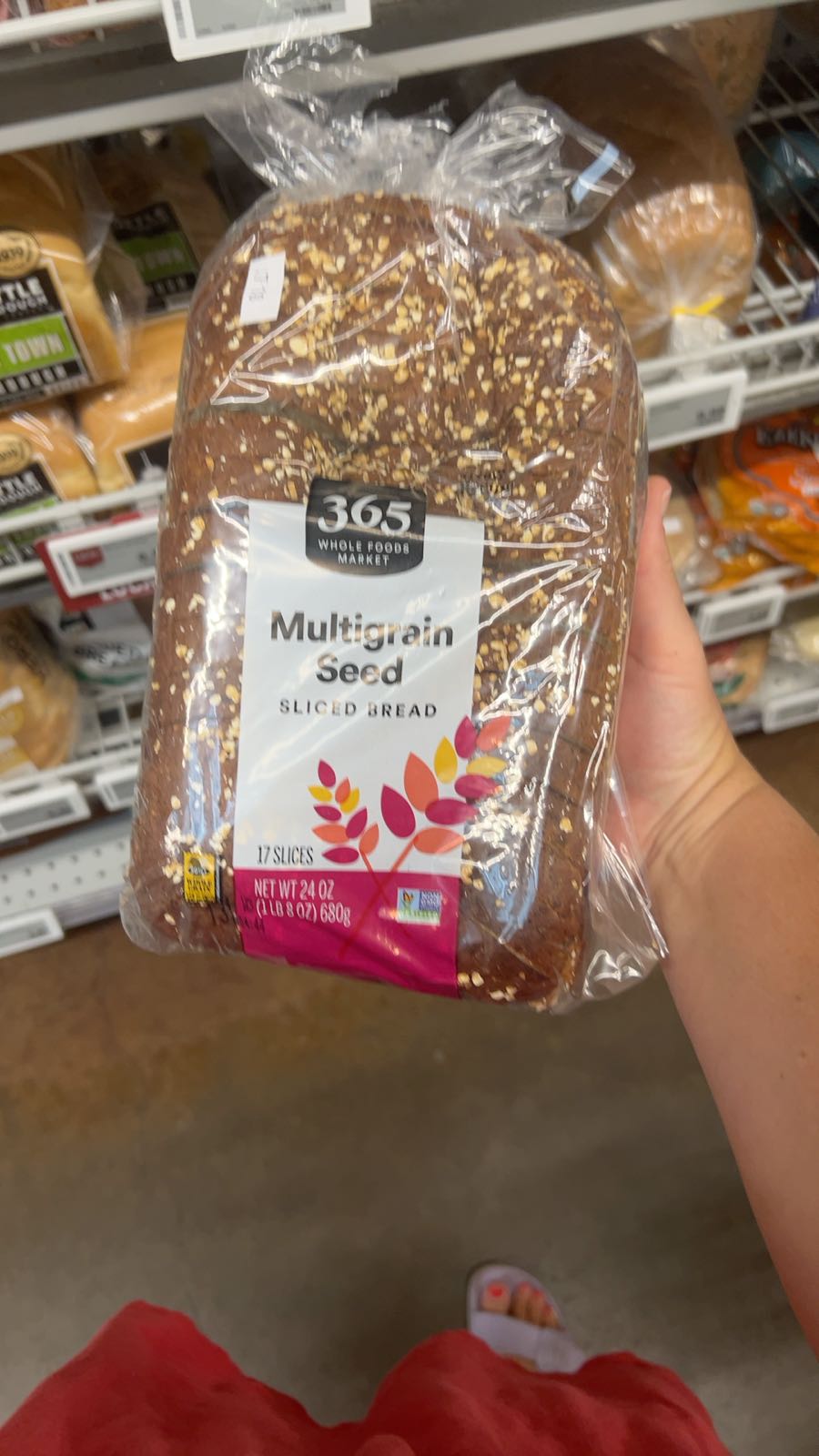
Sliced italian bread

At a glance
Summary
This sliced Italian bread is moderately processed and contains added sugar, which is a refined carbohydrate with no essential nutrients. The ingredient list is relatively short and free from major harmful additives like seed oils or artificial preservatives, but the presence of sugar and the processing level limit its healthiness compared to more minimally processed breads. Its plastic packaging can shed microplastics into the food and lowers its score.
Key ingredients 11
NiacinGood
Beneficial ingredient — whole-food or functional value in this product class.
Benefits
Supports energy metabolism and skin health.
RiboflavinGood
Essential B vitamin — beneficial micronutrient.
Benefits
Supports energy production and cellular function.
Unbleached Wheat FlourNeutral
Unbleached wheat flour is a common base for bread, providing structure and texture. It is less processed than bleached flour, retaining more natural nutrients. However, it is still a refined carbohydrate with limited fiber content.
Risks
May contribute to blood sugar spikes due to its refined nature.
Benefits
Provides essential carbohydrates for energy.
Reduced IronNeutral
Reduced iron is added to enriched flours to prevent iron deficiency anemia. It is a common fortification in processed foods. The bioavailability of this form of iron is lower compared to heme iron from animal sources.
Risks
Excessive intake can lead to iron overload, especially in individuals with hemochromatosis.
Benefits
Helps prevent iron deficiency anemia.
Thiamin MononitrateNeutral
Thiamin mononitrate is a synthetic form of vitamin B1 used to fortify foods. It is essential for carbohydrate metabolism and nerve function. As a synthetic additive, it does not provide additional health benefits beyond its nutritional role.
Benefits
Supports carbohydrate metabolism and nerve function.
Folic AcidNeutral
Folic acid is a synthetic form of vitamin B9 used to fortify foods. It is crucial for DNA synthesis and cell division. While beneficial for preventing neural tube defects, excessive intake can mask vitamin B12 deficiency.
Risks
Excessive intake can mask vitamin B12 deficiency symptoms.
Benefits
Prevents neural tube defects and supports DNA synthesis.
Malted Barley FlourNeutral
Malted barley flour is used to enhance flavor and aid in fermentation. It contains enzymes that help break down starches into sugars. It is generally considered a neutral ingredient in small amounts.
Benefits
Enhances flavor and aids in fermentation.
WaterNeutral
Water is a fundamental ingredient in bread, providing moisture and aiding in the mixing process. It is essential for dough formation and yeast activation. As a basic ingredient, it does not have additional health impacts.
Benefits
Essential for dough formation and yeast activation.
SaltNeutral
Salt is used to enhance flavor and control yeast activity in bread. It is a common culinary ingredient with no significant health benefits. Excessive consumption can contribute to high blood pressure.
Risks
Excessive consumption can contribute to high blood pressure.
Benefits
Enhances flavor and controls yeast activity.
YeastNeutral
Yeast is a microorganism used to leaven bread, creating a light and airy texture. It is a natural ingredient essential for fermentation. It does not provide significant nutritional benefits.
Benefits
Essential for leavening and creating a light texture.
SugarBad
Sugar is added to bread to enhance flavor and aid in yeast fermentation. It is a refined carbohydrate with no essential nutrients. Excessive consumption can lead to health issues such as obesity and dental cavities.
Risks
Excessive consumption can lead to obesity, dental cavities, and other health issues.
Benefits
Aids in yeast fermentation and enhances flavor.
Processing
Processed Foods
Get the full breakdown in the Scout appTake Scout shopping
Scan any product to see lab results, healthy alternatives, and your personalized analysis.