
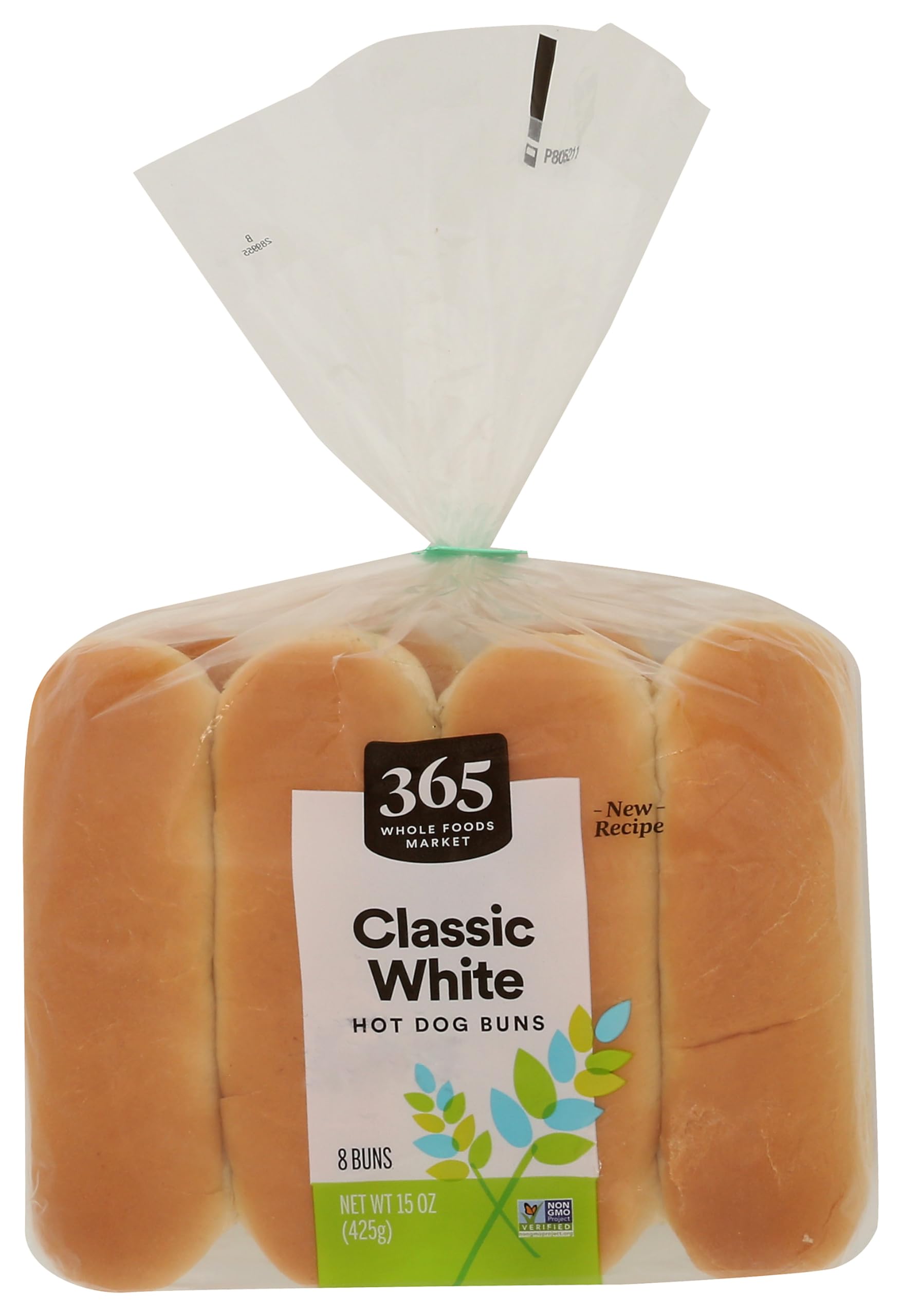
:format(jpg)/d2lnr5mha7bycj.cloudfront.net/product-image/file/large_4dd0cb05-9b18-4332-bf4f-0bf8c3a2b6c4.jpg)


Organic Classic White Hotdog Buns
Analysis updated July 2026 · How Scout scores
At a glance
Summary
This product contains organic ingredients and beneficial nutrients like niacin and folic acid, which are positive aspects. However, the presence of expeller pressed soybean and canola oils, which are high in omega-6 fatty acids, raises health concerns due to their inflammatory potential. Additionally, the product is processed, which limits its score despite the organic certification and absence of artificial additives.
Key ingredients 12
NiacinGood
Niacin, also known as vitamin B3, is essential for energy metabolism and DNA repair. It is often added to enriched flours to replace nutrients lost during processing. Niacin supports cardiovascular health and helps reduce cholesterol levels.
Benefits
Supports energy metabolism and cardiovascular health, and helps reduce cholesterol levels.
Thiamine mononitrateGood
Thiamine mononitrate is a synthetic form of vitamin B1, essential for energy metabolism. It is added to enriched flours to replace nutrients lost during processing. Thiamine supports nerve function and carbohydrate metabolism.
Benefits
Supports energy metabolism and nerve function, and is crucial for carbohydrate metabolism.
RiboflavinGood
Riboflavin, or vitamin B2, is important for energy production and cellular function. It is often added to enriched flours to replace nutrients lost during processing. Riboflavin also acts as an antioxidant, protecting cells from oxidative stress.
Benefits
Supports energy production and acts as an antioxidant, protecting cells from oxidative stress.
Organic whole wheatGood
Organic whole wheat is a whole grain that retains its bran and germ, providing fiber and nutrients. It is less processed than refined flours and supports digestive health. Being organic, it is free from synthetic pesticides and fertilizers.
Benefits
Rich in dietary fiber and nutrients, supporting digestive health and providing sustained energy.
Organic enriched wheat flourNeutral
Organic enriched wheat flour provides essential nutrients like iron and B vitamins. It is a refined flour, which means it lacks the fiber found in whole grains. The enrichment process adds back some nutrients lost during processing.
Risks
Refined flours can contribute to blood sugar spikes and lack dietary fiber.
Benefits
Enrichment adds essential nutrients such as iron and B vitamins, which are important for various bodily functions.
Organic wheat flourNeutral
Organic wheat flour is a staple ingredient in baking, providing structure and texture. It is less processed than enriched flour but still lacks the bran and germ found in whole wheat. Being organic, it is free from synthetic pesticides and fertilizers.
Risks
May contribute to blood sugar spikes due to its refined nature.
Benefits
Organic certification ensures it is free from synthetic chemicals, making it a cleaner choice.
Reduced ironNeutral
Standard formulation ingredient — neither beneficial nor harmful at typical use.
Risks
Excessive iron intake can lead to toxicity, but this is rare from food sources.
Benefits
Prevents iron deficiency anemia and supports oxygen transport in the body.
Folic acidNeutral
Standard formulation ingredient — neither beneficial nor harmful at typical use.
Risks
Excessive intake can mask vitamin B12 deficiency, but this is rare from food sources.
Benefits
Prevents neural tube defects and supports DNA synthesis and cell division.
WaterNeutral
Water is a fundamental ingredient in baking, providing moisture and aiding in the mixing process. It is essential for the hydration of flour and activation of yeast. Water is a neutral ingredient with no direct nutritional impact.
Benefits
Essential for hydration and the baking process, but provides no direct nutritional benefits.
Organic cane sugarBad
Processed additive flagged under Scout's ingredient doctrine.
Risks
Excessive consumption can lead to blood sugar spikes and contribute to weight gain.
Benefits
Provides quick energy and is less processed than refined sugar, retaining some natural molasses.
Expeller pressed soybean oilVery Bad
Expeller pressed soybean oil is a seed oil high in omega-6 fatty acids, which can promote inflammation. The expeller pressing method is a mechanical extraction process that avoids chemical solvents. Despite being a cleaner extraction method, the high omega-6 content remains a concern.
Risks
High omega-6 content may promote inflammation when consumed in excess.
Organic expeller pressed canola oilVery Bad
Organic expeller pressed canola oil is a seed oil with a high omega-6 fatty acid content. Although the expeller pressing method avoids chemical solvents, the oil still poses health concerns due to its fatty acid profile. Organic certification ensures no synthetic pesticides are used, but the health risks remain.
Risks
High omega-6 content may promote inflammation when consumed in excess.
Processing
Processed Foods
Get the full breakdown in the Scout appTake Scout shopping
Scan any product to see lab results, healthy alternatives, and your personalized analysis.
Download on theApp Store GET IT ONGoogle Play