


At a glance
Summary
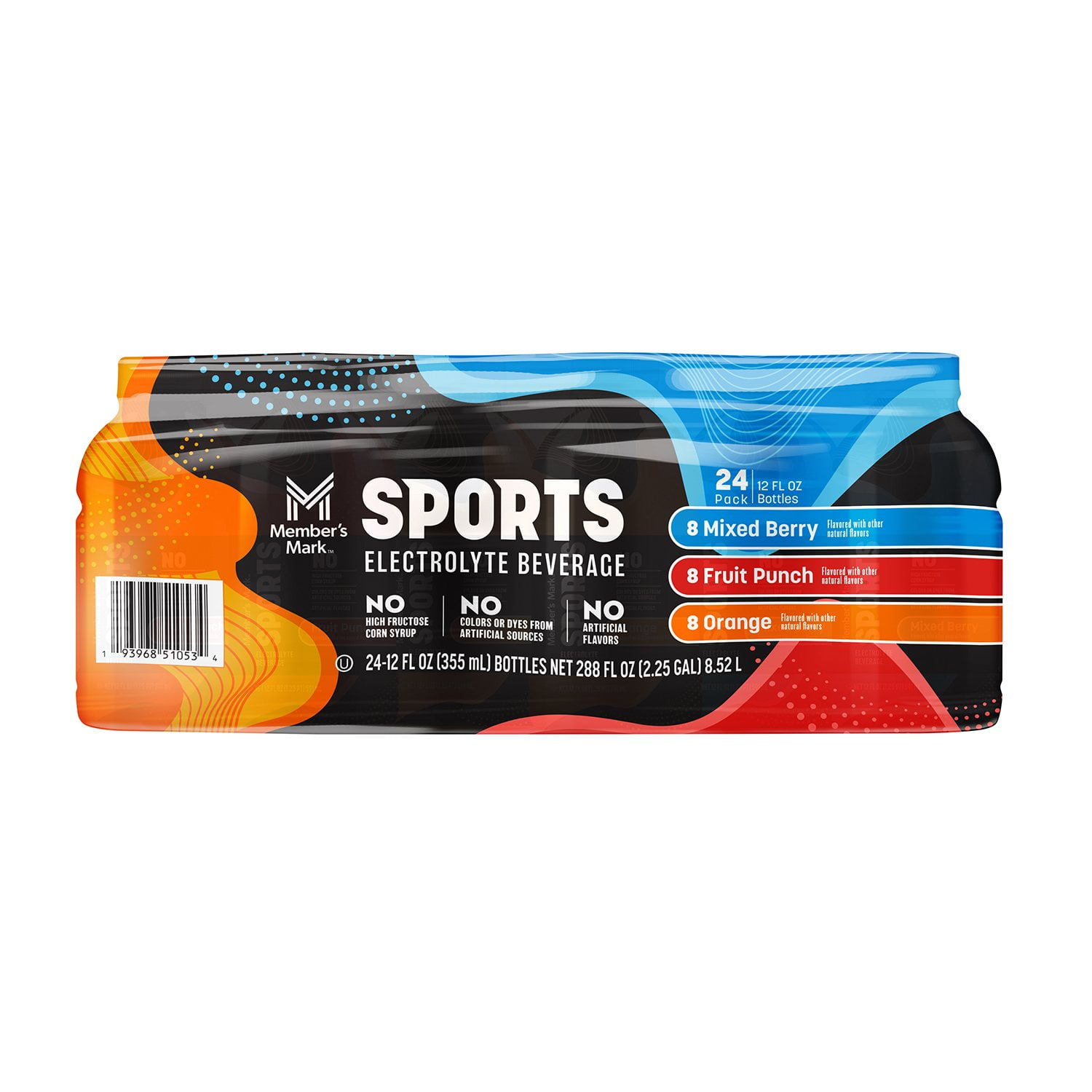
This sports electrolyte beverage contains sugar and dextrose, which are simple sugars that can contribute to metabolic issues and weight gain. The presence of natural flavors adds to the lack of transparency in the ingredient list. While it provides necessary electrolytes, the inclusion of multiple additives and sugars detracts from its overall healthfulness compared to cleaner electrolyte formulations.
Key ingredients 9
SaltGood
Beneficial ingredient — whole-food or functional value in this product class.
Risks
Excessive salt intake can lead to high blood pressure and increased risk of heart disease.
Benefits
Helps maintain fluid balance and supports nerve and muscle function.
Sodium CitrateGood
Beneficial ingredient — whole-food or functional value in this product class.
See more about Sodium Citrate →Beta-CaroteneGood
Beneficial ingredient — whole-food or functional value in this product class.
Benefits
May provide antioxidant benefits and is a precursor to vitamin A.
Purified WaterNeutral
Purified water is a neutral ingredient that serves as the base for the beverage. It is processed to remove impurities and contaminants, ensuring safety for consumption. It does not contribute any nutritional value or health risks.
See more about Purified Water →Citric AcidNeutral
Citric acid is a natural preservative and flavor enhancer commonly used in beverages. It is generally recognized as safe and helps maintain the product's acidity and freshness. It does not provide significant nutritional value.
See more about Citric Acid →Monopotassium PhosphateNeutral
Monopotassium phosphate is used as a source of potassium and a buffering agent. It helps replenish electrolytes but is often used in processed foods. It is generally safe in moderate amounts but does not offer additional health benefits.
Risks
Excessive intake may lead to imbalances in mineral levels.
Benefits
Provides potassium, which is essential for muscle function and fluid balance.
SugarBad
Sugar is classified as very bad due to its high caloric content and contribution to obesity and metabolic disorders. It is a simple carbohydrate that can lead to spikes in blood sugar levels. Excessive consumption is linked to various health issues, including diabetes and heart disease.
Risks
High intake of sugar can lead to obesity, insulin resistance, and increased risk of chronic diseases.
DextroseBad
Dextrose is a simple sugar that rapidly increases blood glucose levels, similar to sugar. It is often used in processed foods to enhance sweetness and energy content. Its consumption in large amounts can contribute to metabolic issues and weight gain.
Risks
Excessive dextrose intake can lead to insulin resistance and increased risk of type 2 diabetes.
Natural FlavorBad
Natural flavor is a catch-all term that can include a variety of substances derived from natural sources. The lack of transparency in its composition can be concerning for consumers seeking to avoid certain additives. It does not contribute nutritional value and may mask the presence of less desirable ingredients.
Risks
Potential allergenicity and lack of transparency in ingredient sourcing.
Processing
Ultra-Processed Foods
Get the full breakdown in the Scout appTake Scout shopping
Scan any product to see lab results, healthy alternatives, and your personalized analysis.
Download on theApp Store GET IT ONGoogle Play