

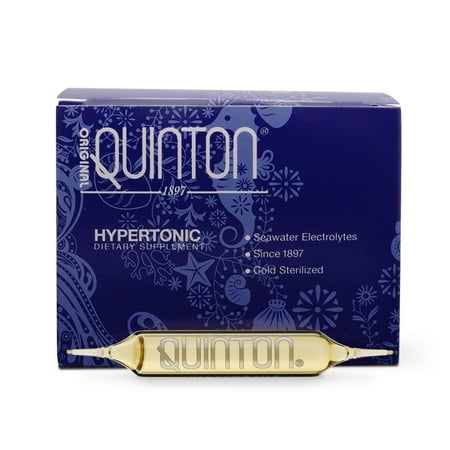
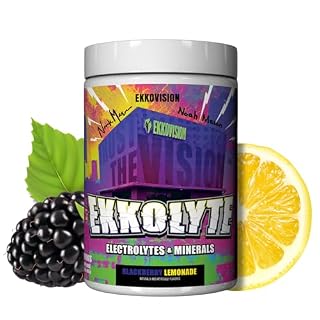


At a glance
Summary
This product contains beneficial vitamins and minerals such as magnesium lactate, ascorbic acid, and various B vitamins, which support overall health and metabolic functions. However, it includes added sugar and flavorings, which detract from its healthfulness. The product is moderately processed, which impacts its overall score, but it lacks harmful artificial additives or dyes.
Key ingredients 14
Magnesium LactateGood
Magnesium lactate is a beneficial ingredient that provides magnesium, an essential mineral for muscle and nerve function. It is well-absorbed and supports energy production and bone health. This form of magnesium is gentle on the stomach compared to other forms.
Benefits
Supports muscle and nerve function, energy production, and bone health.
Ascorbic AcidGood
Ascorbic acid, also known as vitamin C, is an antioxidant that supports immune function and skin health. It is essential for collagen synthesis and acts as a preservative in foods. This vitamin is crucial for overall health and well-being.
Benefits
Supports immune function, acts as an antioxidant, and aids in collagen synthesis.
NiacinGood
Niacin, or vitamin B3, is important for energy metabolism and maintaining healthy skin and nerves. It is water-soluble and helps convert food into energy. Adequate intake supports cardiovascular health.
Risks
Excessive intake may cause flushing or liver damage, but this is unlikely at typical consumption levels.
Benefits
Supports energy metabolism and cardiovascular health.
Pantothenic AcidGood
Pantothenic acid, or vitamin B5, is essential for synthesizing coenzyme A, which is crucial for fatty acid metabolism. It supports energy production and the synthesis of hormones and neurotransmitters. This vitamin is vital for overall metabolic function.
Benefits
Supports energy production and the synthesis of hormones and neurotransmitters.
Vitamin B6Good
Vitamin B6 is essential for protein metabolism, cognitive development, and immune function. It plays a role in the production of neurotransmitters and hemoglobin. Adequate intake supports brain health and mood regulation.
Benefits
Supports protein metabolism, cognitive development, and immune function.
BiotinGood
Biotin, or vitamin B7, is important for carbohydrate, fat, and protein metabolism. It supports healthy hair, skin, and nails. This water-soluble vitamin is crucial for energy production and maintaining metabolic health.
Benefits
Supports metabolism and contributes to healthy hair, skin, and nails.
Vitamin B12Good
Vitamin B12 is essential for nerve function, red blood cell formation, and DNA synthesis. It is crucial for maintaining energy levels and neurological health. Adequate intake prevents anemia and supports cognitive function.
Benefits
Supports nerve function, red blood cell formation, and cognitive health.
WaterNeutral
Water is a neutral ingredient that serves as the base for the beverage. It is essential for hydration and acts as a solvent for other ingredients. No significant processing concerns are associated with water in this context.
Benefits
Water is crucial for maintaining hydration and supporting overall bodily functions.
Apple Juice From Juice ConcentrateNeutral
Apple juice from concentrate provides flavor and some nutrients but is often lower in fiber compared to fresh juice. The concentration process may reduce some vitamin content. It is a natural source of sugars and some vitamins.
Risks
May contribute to sugar intake without providing fiber.
Benefits
Contains natural sugars and some vitamins, contributing to flavor and slight nutritional value.
Carbon DioxideNeutral
Carbon dioxide is used to carbonate the beverage, providing a fizzy texture. It is generally recognized as safe and does not contribute to nutritional value. The carbonation process is standard in beverage production.
Benefits
Enhances the sensory experience by providing carbonation.
Citric AcidNeutral
Citric acid is used as a preservative and flavor enhancer, providing a tart taste. It is naturally found in citrus fruits and is widely used in food processing. It helps maintain product stability and flavor.
Risks
Excessive consumption may lead to dental erosion.
Benefits
Acts as a preservative and enhances flavor with a natural tartness.
FlavouringsNeutral
Flavourings are added to enhance the taste of the beverage. They can be natural or artificial, but specifics are not provided. The impact on health depends on the type and source of the flavorings used.
Risks
Potential risks depend on the nature of the flavorings, but no specific concerns are identified without further details.
Benefits
Enhances the taste and consumer appeal of the product.
Folic AcidNeutral
Standard formulation ingredient — neither beneficial nor harmful at typical use.
Benefits
Supports DNA synthesis, cell division, and reduces the risk of neural tube defects.
SugarBad
Refined added sugar.
Risks
High intake of sugar can lead to weight gain and increased risk of metabolic diseases.
Benefits
Provides a quick source of energy and enhances the flavor of the product.
Processing
Processed Foods
Get the full breakdown in the Scout appTake Scout shopping
Scan any product to see lab results, healthy alternatives, and your personalized analysis.
Download on theApp Store GET IT ONGoogle Play