


Nestlé Drink Mix
Analysis updated July 2026 · How Scout scores
At a glance
Summary
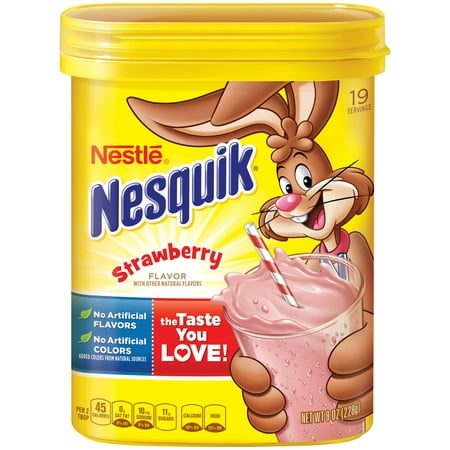
This drink mix contains a high amount of sugar, which is a significant concern due to its association with obesity and metabolic disorders. While it includes beneficial vitamins and minerals like vitamin C and iron, the presence of carrageenan and vague 'natural flavors' detracts from its overall healthiness. The product is moderately processed, with a few additives that impact its score negatively.
Key ingredients 16
Beet Juice PowderGood
Beet juice powder is considered good due to its natural origin and potential health benefits. It is rich in nitrates, which can improve blood flow and lower blood pressure. Additionally, it provides antioxidants that support overall health.
Benefits
Rich in nitrates and antioxidants, supporting cardiovascular health and reducing inflammation.
Beta CaroteneGood
Beta carotene is considered good due to its role as a precursor to vitamin A and its antioxidant properties. It supports vision health and immune function. As a natural colorant, it is a healthier alternative to synthetic dyes.
Benefits
Supports vision and immune health, and provides antioxidant benefits.
Sodium AscorbateGood
Sodium ascorbate is considered good as it is a form of vitamin C, an essential nutrient and antioxidant. It supports immune function and collagen synthesis. It is a more stomach-friendly form of vitamin C compared to ascorbic acid.
Benefits
Supports immune function and acts as an antioxidant.
Ferric PyrophosphateGood
Ferric pyrophosphate is considered good as it is a source of iron, essential for oxygen transport and energy production. It is often used in fortified foods to prevent iron deficiency anemia. It is a stable form of iron with good bioavailability.
Risks
Excessive iron intake can lead to toxicity and gastrointestinal issues.
Benefits
Prevents iron deficiency anemia and supports energy production.
NiacinamideGood
Niacinamide is considered good as it is a form of vitamin B3, essential for energy metabolism and skin health. It supports cellular repair and reduces inflammation. It is well-tolerated and effective in small doses.
Benefits
Supports energy metabolism and skin health.
Zinc OxideGood
Zinc oxide is considered good as it provides zinc, an essential mineral for immune function and wound healing. It is commonly used in supplements to prevent zinc deficiency. It is a stable and bioavailable form of zinc.
Risks
Excessive zinc intake can interfere with copper absorption and cause toxicity.
Benefits
Supports immune function and wound healing.
Thiamin HydrochlorideGood
Thiamin hydrochloride is considered good as it is a form of vitamin B1, crucial for energy metabolism and nerve function. It is often used in fortified foods to prevent thiamin deficiency. It is well-absorbed and effective in small doses.
Benefits
Supports energy metabolism and nerve function.
Copper GluconateGood
Copper gluconate is considered good as it provides copper, an essential trace mineral for iron metabolism and antioxidant defense. It is used in supplements to prevent copper deficiency. It is a bioavailable form of copper.
Risks
Excessive copper intake can lead to toxicity and liver damage.
Benefits
Supports iron metabolism and antioxidant defense.
Manganese SulfateGood
Manganese sulfate is considered good as it provides manganese, essential for bone health and enzyme function. It is used in supplements to prevent manganese deficiency. It is a bioavailable form of manganese.
Risks
Excessive manganese intake can lead to neurological issues.
Benefits
Supports bone health and enzyme function.
BiotinGood
Biotin is considered good as it is a B-vitamin essential for energy metabolism and hair, skin, and nail health. It is commonly used in supplements to support these functions. It is well-tolerated and effective in small doses.
Benefits
Supports energy metabolism and hair, skin, and nail health.
Citric AcidNeutral
Citric acid is a neutral ingredient commonly used as a preservative and flavor enhancer. It is naturally found in citrus fruits and is generally recognized as safe. It can enhance the flavor profile without significant health impacts.
Risks
Excessive consumption may cause dental erosion.
Benefits
Enhances flavor and acts as a preservative without significant health impacts.
SaltNeutral
Salt is a neutral ingredient essential for maintaining fluid balance and nerve function. However, excessive intake can lead to hypertension and cardiovascular issues. It is used to enhance flavor and preserve food.
Risks
Excessive intake can lead to hypertension and cardiovascular issues.
Benefits
Essential for fluid balance and nerve function.
SugarBad
Sugar is classified as very_bad due to its high caloric content and contribution to obesity and metabolic disorders. It is a simple carbohydrate that can cause rapid spikes in blood sugar levels. Excessive consumption is linked to increased risk of type 2 diabetes and heart disease.
Risks
High sugar intake is associated with obesity, type 2 diabetes, and cardiovascular diseases.
Natural FlavorBad
Natural flavor is considered bad due to its vague labeling and potential inclusion of numerous chemical compounds. It lacks transparency, making it difficult to assess its true impact on health. Often used to enhance taste without providing nutritional value.
Risks
Potential for undisclosed allergens and chemical additives.
MaltodextrinBad
Processed additive flagged under Scout's ingredient doctrine.
Risks
May cause blood sugar spikes and is not suitable for diabetics.
Benefits
Provides quick energy but lacks significant nutritional benefits.
CarrageenanBad
Carrageenan is classified as bad due to its potential to cause digestive issues and inflammation. It is a common food additive used for thickening and stabilizing. Some studies suggest it may contribute to gastrointestinal discomfort.
Risks
May cause digestive issues and inflammation in sensitive individuals.
Processing
Ultra-Processed Foods
Get the full breakdown in the Scout appTake Scout shopping
Scan any product to see lab results, healthy alternatives, and your personalized analysis.
Download on theApp Store GET IT ONGoogle PlayAmazon pricing & content
Amazon price as of . Product prices and availability are accurate as of the date/time indicated and are subject to change. Any price and availability information displayed on Amazon.com at the time of purchase will apply to the purchase of this product.
CERTAIN CONTENT THAT APPEARS ON THIS SITE COMES FROM AMAZON. THIS CONTENT IS PROVIDED “AS IS” AND IS SUBJECT TO CHANGE OR REMOVAL AT ANY TIME.