

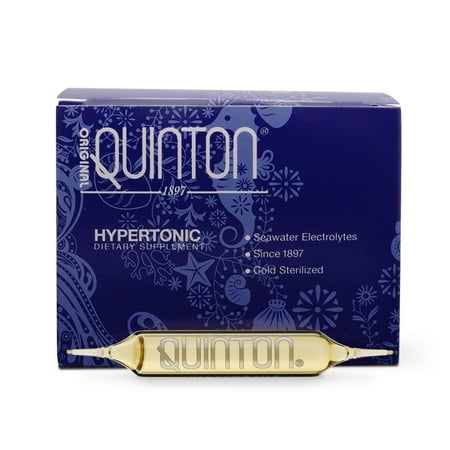
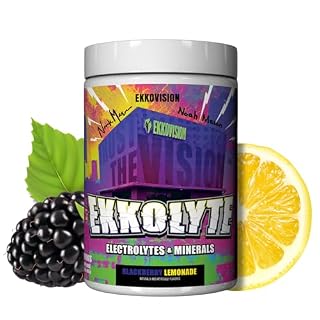


At a glance
Summary
This electrolyte product contains essential minerals like sodium, potassium, calcium, and magnesium, which are beneficial for hydration and muscle function. However, it has a high sugar content due to the presence of dextrose, which can be a concern for those monitoring sugar intake. The formulation lacks artificial additives, but the sugar level impacts its overall healthiness compared to cleaner, low-sugar electrolyte options.
Key ingredients 8
SodiumGood
Sodium is an essential electrolyte that helps maintain fluid balance and nerve function. It is crucial for muscle contractions and overall hydration. In electrolyte supplements, it helps replenish sodium lost through sweat.
Risks
Excessive sodium intake can lead to high blood pressure and cardiovascular issues.
Benefits
Supports hydration and electrolyte balance, especially important during intense physical activity.
PotassiumGood
Potassium is a vital mineral and electrolyte that supports heart and muscle function. It helps regulate fluid balance and nerve signals. Adequate potassium intake can help counteract the effects of high sodium levels.
Risks
High doses can lead to hyperkalemia, which can affect heart function.
Benefits
Essential for maintaining proper muscle and nerve function, and helps prevent muscle cramps.
ChlorideGood
Chloride is an essential electrolyte that works with sodium to maintain fluid balance and acid-base balance in the body. It is a component of stomach acid, aiding in digestion. In supplements, it helps replenish chloride lost through sweat.
Benefits
Supports fluid balance and is crucial for proper digestion and acid-base balance.
CalciumGood
Calcium is a crucial mineral for bone health and muscle function. It plays a role in nerve transmission and blood clotting. In electrolyte supplements, it helps support muscle contractions and prevent cramps.
Risks
Excessive calcium intake can lead to kidney stones and impaired absorption of other minerals.
Benefits
Supports bone health and muscle function, and helps prevent muscle cramps during physical activity.
MagnesiumGood
Magnesium is an essential mineral involved in over 300 biochemical reactions in the body. It supports muscle and nerve function, energy production, and bone health. In electrolyte supplements, it helps prevent muscle cramps and supports recovery.
Risks
High doses can cause diarrhea and gastrointestinal discomfort.
Benefits
Supports muscle and nerve function, energy production, and helps prevent muscle cramps.
Sodium BicarbonateNeutral
Sodium bicarbonate is used as a buffering agent to maintain pH balance. It can help reduce acidity in the body and improve exercise performance. However, it does not provide significant nutritional benefits.
Risks
Excessive intake can lead to alkalosis and gastrointestinal discomfort.
Benefits
May improve exercise performance by buffering lactic acid buildup.
Citric AcidNeutral
Citric acid is a natural acid found in citrus fruits, used as a flavoring and preservative. It enhances flavor and acts as an antioxidant. While it is generally safe, it does not provide significant nutritional benefits.
Risks
Excessive consumption can lead to tooth enamel erosion.
Benefits
Enhances flavor and acts as a natural preservative.
DextroseBad
Refined added sugar.
Risks
Excessive consumption can lead to blood sugar spikes and potential insulin resistance over time.
Benefits
Provides a quick source of energy, especially useful in sports and recovery scenarios.
Processing
Processed Culinary Ingredients
Get the full breakdown in the Scout appTake Scout shopping
Scan any product to see lab results, healthy alternatives, and your personalized analysis.
Download on theApp Store GET IT ONGoogle Play