
:format(jpg)/d2lnr5mha7bycj.cloudfront.net/product-image/file/large_4dd0cb05-9b18-4332-bf4f-0bf8c3a2b6c4.jpg)


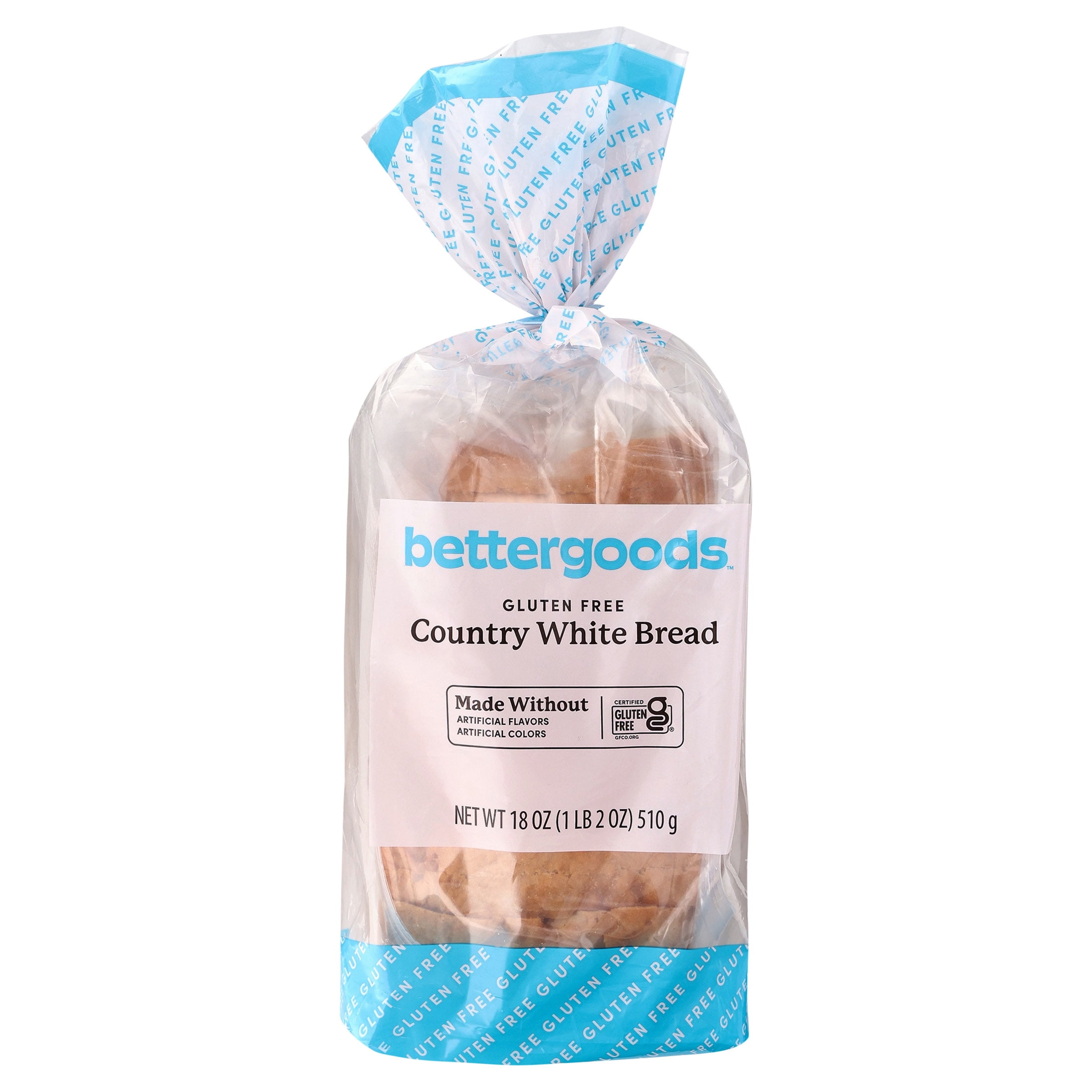
Gluten Free Country White
Analysis updated September 2026 · How Scout scores
At a glance
Summary
This gluten-free bread is moderately processed and contains several starches and gums to mimic the texture of traditional bread. The use of high oleic safflower oil is a concern due to its refined nature, and the presence of sunflower lecithin as an emulsifier adds to the processing level. While it avoids some major harmful ingredients like high fructose corn syrup or artificial dyes, the reliance on refined starches and additives limits its healthfulness.
Key ingredients 13
Brown Rice FlourGood
Beneficial ingredient — whole-food or functional value in this product class.
Risks
May contain trace amounts of arsenic, which can be a concern if consumed in large quantities.
Benefits
Provides a source of carbohydrates and some fiber, making it suitable for gluten-free diets.
WaterNeutral
Water is a neutral ingredient used as a solvent and to provide moisture. It does not contribute any nutritional value or health risks. It is essential for the texture and consistency of the product.
See more about Water →Tapioca StarchNeutral
Tapioca starch is a refined carbohydrate used as a thickener and texture enhancer. It is derived from the cassava root and is gluten-free. It provides no significant nutritional value beyond carbohydrates.
Benefits
Useful for creating a desirable texture in gluten-free products.
CornstarchNeutral
Cornstarch is a refined carbohydrate used as a thickening agent. It is derived from corn and provides no significant nutritional value. It is commonly used to improve texture and consistency in food products.
Benefits
Useful for thickening and stabilizing food products.
Potato StarchNeutral
Potato starch is a refined carbohydrate used as a thickener and texture enhancer. It is gluten-free and provides no significant nutritional value beyond carbohydrates. It is often used in gluten-free baking for its binding properties.
Benefits
Provides a gluten-free option for thickening and improving texture in baked goods.
Xanthan GumNeutral
Xanthan gum is a polysaccharide used as a thickener and stabilizer in food products. It is produced through fermentation and is commonly used in gluten-free baking to improve texture. It is generally recognized as safe in small quantities.
Risks
May cause digestive issues in sensitive individuals if consumed in large amounts.
Benefits
Improves texture and stability in gluten-free products.
SaltNeutral
Salt is used to enhance flavor and act as a preservative. It is a common ingredient in baked goods but provides no significant nutritional benefits. Excessive consumption can lead to health issues such as hypertension.
Risks
High sodium intake can contribute to hypertension and cardiovascular issues.
Benefits
Enhances flavor and acts as a preservative in food products.
Cultured Rice FlourNeutral
Cultured rice flour is used as a natural preservative due to its fermentation process. It is a gluten-free ingredient that provides minimal nutritional value. It helps extend the shelf life of products without synthetic additives.
Benefits
Acts as a natural preservative, extending shelf life without synthetic additives.
YeastNeutral
Yeast is used as a leavening agent in baking, helping dough to rise. It is a natural ingredient that contributes to the texture and flavor of baked goods. It provides some B vitamins and minerals.
Benefits
Contributes to the leavening and flavor of baked goods, providing some B vitamins and minerals.
EnzymesNeutral
Enzymes are used to improve the texture and shelf life of baked goods. They are naturally occurring proteins that aid in the breakdown of starches and proteins. They are generally recognized as safe and effective in small quantities.
Benefits
Enhances texture and shelf life of baked goods.
Tapioca SyrupBad
Processed additive flagged under Scout's ingredient doctrine.
Risks
Excessive consumption can contribute to increased blood sugar levels.
Benefits
Provides a gluten-free alternative to corn syrup for sweetness.
Sunflower LecithinBad
Sunflower lecithin is an emulsifier used to improve texture and consistency in food products. It is derived from sunflower seeds and is less processed than soy lecithin. However, it is still a refined additive with no significant nutritional benefits.
Risks
May cause allergic reactions in sensitive individuals.
Benefits
Improves texture and consistency in food products.
High Oleic Safflower OilVery Bad
Heavily flagged ingredient class under Scout's doctrine.
Benefits
Contains monounsaturated fats that are more stable and less inflammatory compared to regular safflower oil.
Processing
Processed Foods
Get the full breakdown in the Scout appTake Scout shopping
Scan any product to see lab results, healthy alternatives, and your personalized analysis.
Download on theApp Store GET IT ONGoogle Play