


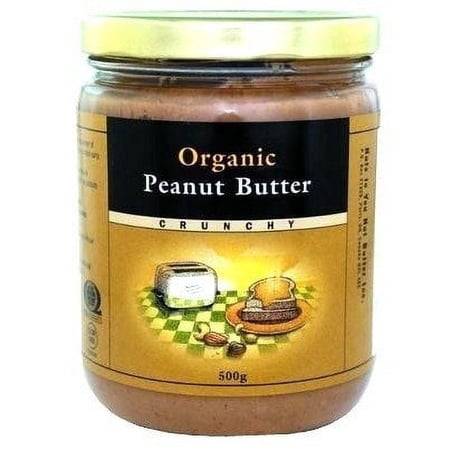

At a glance
Summary
This crunchy peanut butter contains a high percentage of peanuts, which are nutrient-dense and provide healthy fats and protein. However, the inclusion of palm oil and cane sugar introduces processed elements that detract from its overall healthiness. The product's processing level and the presence of these less desirable ingredients limit its score, despite the beneficial qualities of peanuts.
Key ingredients 5
PeanutsGood
Peanuts are a nutrient-dense food rich in protein, healthy fats, and various vitamins and minerals. They are minimally processed and provide a good source of plant-based protein and fiber. Peanuts can support heart health due to their monounsaturated fat content.
Risks
Peanuts can be a common allergen and may cause severe allergic reactions in sensitive individuals.
Benefits
Rich in protein, fiber, and healthy fats, peanuts support heart health and provide essential nutrients like magnesium and vitamin E.
SaltNeutral
Salt is used to enhance flavor and preserve food. It is a common ingredient in many processed foods. While necessary for bodily functions, excessive intake can lead to health issues.
Risks
Excessive salt intake can lead to high blood pressure and cardiovascular issues.
Benefits
Essential for maintaining fluid balance and nerve function in the body.
Peanut oilBad
Processed additive flagged under Scout's ingredient doctrine.
Benefits
Contains monounsaturated fats that can support heart health when used in moderation.
Palm oilBad
Palm oil is a highly processed oil often criticized for its environmental impact and high saturated fat content. It is used to improve texture and shelf life in processed foods. The refining process can strip away beneficial nutrients.
Risks
High saturated fat content may contribute to heart disease if consumed in excess.
Cane sugarBad
Cane sugar is a refined sugar that can contribute to increased calorie intake and potential weight gain. It is often added to enhance sweetness in processed foods. Excessive consumption can lead to health issues like obesity and diabetes.
Risks
High sugar intake is linked to obesity, type 2 diabetes, and dental cavities.
Processing
Processed Foods
Get the full breakdown in the Scout appTake Scout shopping
Scan any product to see lab results, healthy alternatives, and your personalized analysis.
Download on theApp Store GET IT ONGoogle Play