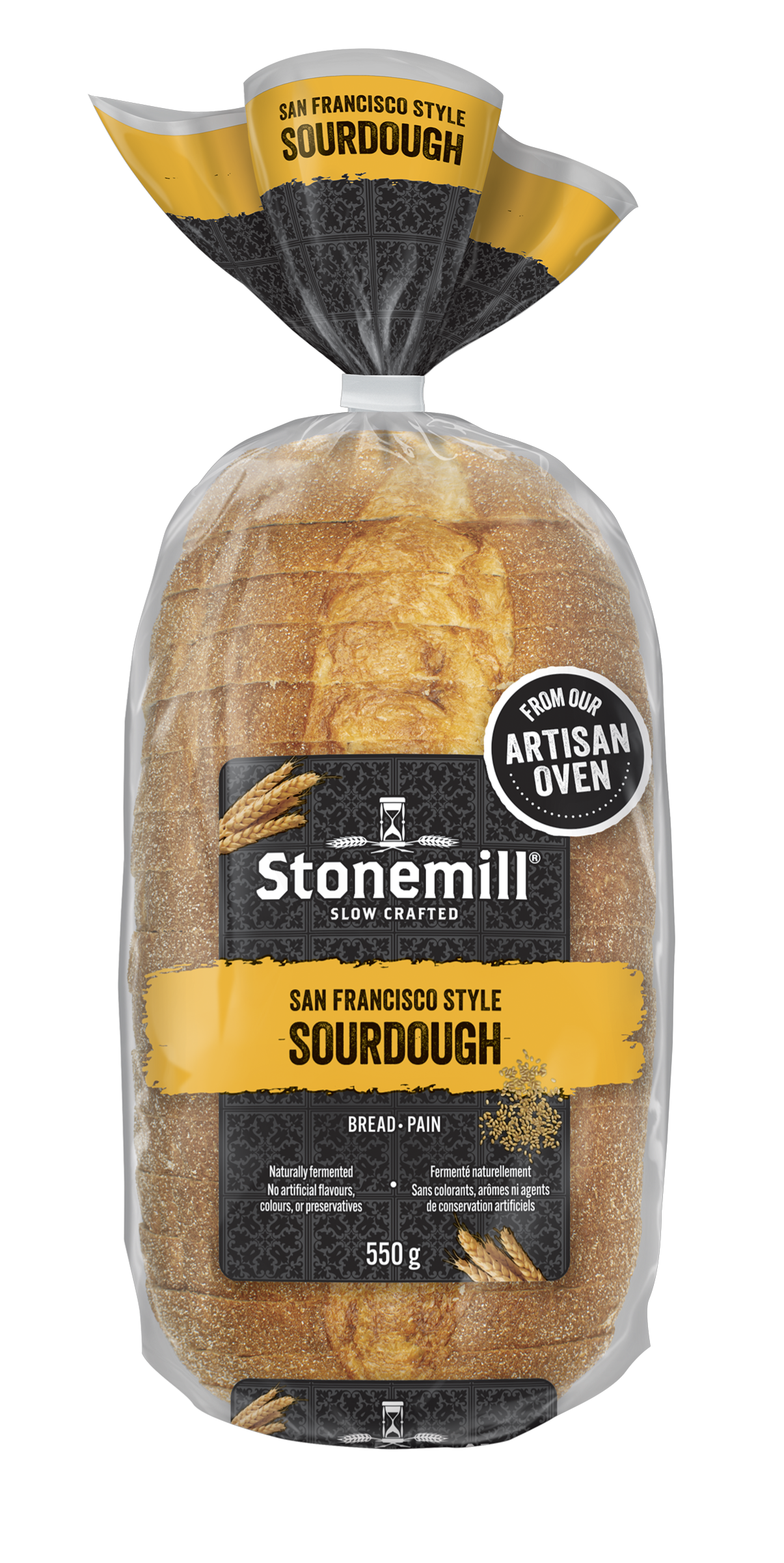
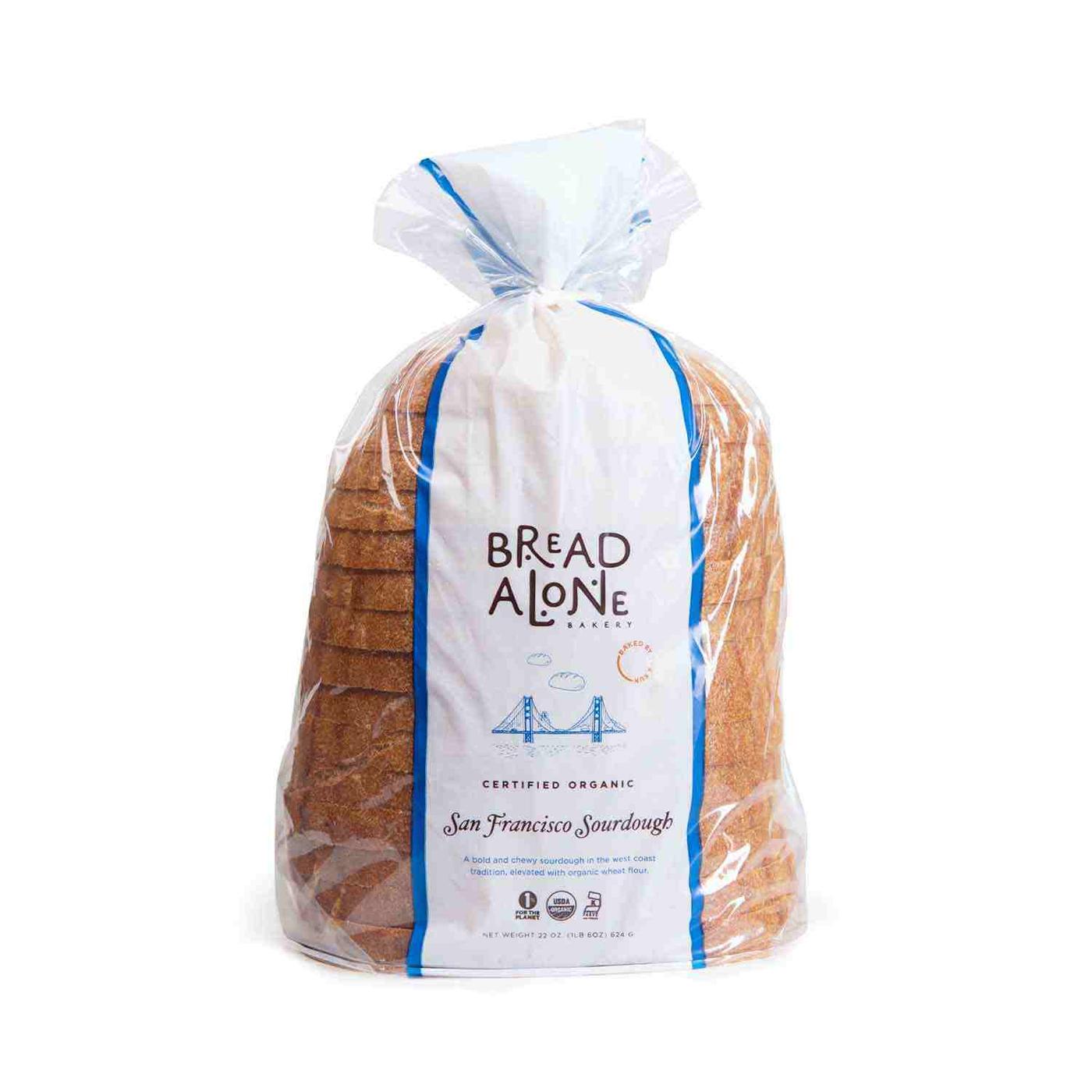
Whole Foods Market San Francisco Sourdough Half Loaf
Whole Foods Market
At a glance
Summary
This sourdough bread is made with enriched wheat flour and contains a sour starter, which adds some nutritional value. However, it is classified as ultra-processed due to the use of enriched flour and additional ingredients like malted barley flour and dextrose. Despite being from a brand with good sourcing standards, the processing level limits its healthiness.
Key ingredients 12
Wheat flourNeutral
Wheat flour is a staple ingredient in bread, providing structure and texture. It is a refined grain, which means it lacks the bran and germ, reducing its fiber and nutrient content. While it is a common ingredient, it does not offer significant health benefits compared to whole grains.
Risks
May cause allergic reactions in individuals with wheat allergies or gluten intolerance.
Benefits
Provides carbohydrates for energy but lacks significant nutritional benefits compared to whole grains.
Malted barley flourNeutral
Malted barley flour is used to enhance flavor and improve the texture of baked goods. It is made from sprouted barley grains that are dried and ground into flour. While it adds a slight sweetness and aids in fermentation, it does not provide significant nutritional benefits.
Benefits
Enhances flavor and texture in baked goods, aiding in fermentation.
NiacinNeutral
Niacin, also known as vitamin B3, is added to enriched flours to replace nutrients lost during processing. It plays a role in energy metabolism and maintaining healthy skin and nerves. While beneficial, it is typically consumed in sufficient amounts through a balanced diet.
Benefits
Supports energy metabolism and overall health, though typically consumed adequately through diet.
Thiamin mononitrateNeutral
Thiamin mononitrate is a form of vitamin B1 added to enriched flours to compensate for nutrient loss during processing. It is essential for energy production and nerve function. While important, it is generally obtained in adequate amounts from a varied diet.
Benefits
Essential for energy production and nerve function, though typically consumed adequately through diet.
RiboflavinNeutral
Riboflavin, or vitamin B2, is added to enriched flours to restore nutrients lost during processing. It is crucial for energy production and cellular function. While beneficial, it is usually consumed in sufficient quantities through a balanced diet.
Benefits
Supports energy production and cellular function, though typically consumed adequately through diet.
Folic acidNeutral
Folic acid is a synthetic form of vitamin B9 added to enriched flours to prevent deficiencies. It is vital for DNA synthesis and cell division. While important, it is generally consumed in adequate amounts through a varied diet.
Risks
Excessive intake may mask vitamin B12 deficiency symptoms.
Benefits
Essential for DNA synthesis and cell division, though typically consumed adequately through diet.
WaterNeutral
Water is a fundamental ingredient in bread, necessary for dough formation and yeast activation. It is a neutral component with no direct nutritional impact. Its primary role is functional in the baking process.
Benefits
Essential for dough formation and yeast activation in baking.
Sour starterNeutral
Sour starter, made from fermented flour and water, is used to leaven bread naturally. It contributes to the bread's flavor and texture. While it enhances taste, it does not provide significant nutritional benefits.
Benefits
Enhances flavor and texture in bread through natural fermentation.
SaltNeutral
Salt is used in bread to enhance flavor and control yeast activity. It is a common ingredient with no significant nutritional benefits. While necessary for taste, excessive consumption can contribute to high blood pressure.
Risks
Excessive intake may contribute to high blood pressure.
Benefits
Enhances flavor and controls yeast activity in baking.
Whole wheat flourNeutral
Whole wheat flour is a whole grain flour that retains the bran and germ, providing more fiber and nutrients than refined flour. It is a healthier alternative to refined flour but is used in small amounts in this product. While beneficial, its impact is limited by its proportion in the ingredient list.
Risks
May cause allergic reactions in individuals with wheat allergies or gluten intolerance.
Benefits
Provides more fiber and nutrients than refined flour, supporting digestive health.
Wheat branNeutral
Wheat bran is the outer layer of the wheat kernel, rich in fiber and nutrients. It is added to improve the nutritional profile of bread. While beneficial for digestion, its impact is limited by its proportion in the ingredient list.
Risks
May cause digestive discomfort in sensitive individuals.
Benefits
Rich in fiber, supporting digestive health and regularity.
Dry malt powderNeutral
Dry malt powder, made from malted barley and wheat flour, is used to enhance flavor and aid fermentation. It adds a slight sweetness and improves the texture of baked goods. While it enhances taste, it does not provide significant nutritional benefits.
Benefits
Enhances flavor and texture in baked goods, aiding in fermentation.
Processing
Ultra-Processed Foods
Get the full breakdown in the Scout appTake Scout shopping
Scan any product to see lab results, healthy alternatives, and your personalized analysis.
Are you Whole Foods Market? Fix an error Get the badge Get tested
Amazon pricing & content
CERTAIN CONTENT THAT APPEARS ON THIS SITE COMES FROM AMAZON. THIS CONTENT IS PROVIDED “AS IS” AND IS SUBJECT TO CHANGE OR REMOVAL AT ANY TIME.