


At a glance
Summary
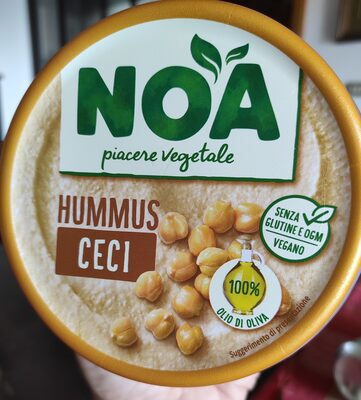
This hummus contains beneficial ingredients such as chickpeas, olive oil, and tahini, which provide healthy fats, protein, and essential nutrients. However, it is a processed food with added citric acid and sugar, which slightly detracts from its overall healthiness. The presence of olive oil, a high-quality fat, helps maintain a favorable score despite the processing level.
Key ingredients 7
Olive oilVery Good
Olive oil is a high-quality monounsaturated fat with anti-inflammatory properties. It contains antioxidants that support heart health and is often cold-pressed to preserve beneficial compounds. Olive oil is a staple in the Mediterranean diet, known for its health benefits.
Benefits
Rich in monounsaturated fats that support heart health and provide anti-inflammatory properties. Contains antioxidants like vitamin E and polyphenols that may reduce oxidative stress.
ChickpeasGood
Chickpeas are a good source of plant-based protein and fiber, supporting digestive health and satiety. They are minimally processed when cooked and retain most of their nutritional value. Chickpeas also provide essential vitamins and minerals like folate and iron.
Benefits
Rich in protein and fiber, chickpeas support digestive health and help maintain stable blood sugar levels.
TahiniGood
Tahini, made from ground sesame seeds, is a good source of healthy fats and minerals such as calcium and magnesium. It is minimally processed and retains the nutritional benefits of sesame seeds. Tahini adds a rich, nutty flavor and creamy texture to foods.
Risks
Potential allergen for individuals with sesame seed allergies.
Benefits
Provides healthy fats and essential minerals, supporting bone health and metabolic functions.
SpicesGood
Whole-food seasonings, antioxidant-bearing.
Benefits
Can provide antioxidants and other beneficial compounds depending on the specific spices used.
SaltNeutral
Salt is used as a seasoning and preservative in many foods. It is a refined product that provides sodium, an essential mineral for fluid balance and nerve function. However, excessive consumption can lead to health issues such as hypertension.
Risks
Excessive sodium intake can contribute to high blood pressure and cardiovascular disease.
Benefits
Provides essential sodium for maintaining fluid balance and nerve function.
Citric acidNeutral
Citric acid is used as an acidulant and preservative in food products. It is naturally found in citrus fruits and is often produced through fermentation for commercial use. Citric acid helps to enhance flavor and preserve freshness.
Benefits
Enhances flavor and acts as a preservative, extending the shelf life of food products.
Raw cane sugarNeutral
Raw cane sugar is a less refined form of sugar that retains some molasses content. It is used as a sweetener in various food products. While it is slightly less processed than white sugar, it still contributes to added sugar intake.
Risks
Excessive consumption of added sugars can lead to health issues such as obesity and dental cavities.
Benefits
Provides a source of quick energy, but should be consumed in moderation.
Processing
Processed Foods
Get the full breakdown in the Scout appTake Scout shopping
Scan any product to see lab results, healthy alternatives, and your personalized analysis.
Download on theApp Store GET IT ONGoogle Play