


Near you
Great Value is carried at Walmart stores. Find one within 25 miles.
At a glance
Summary
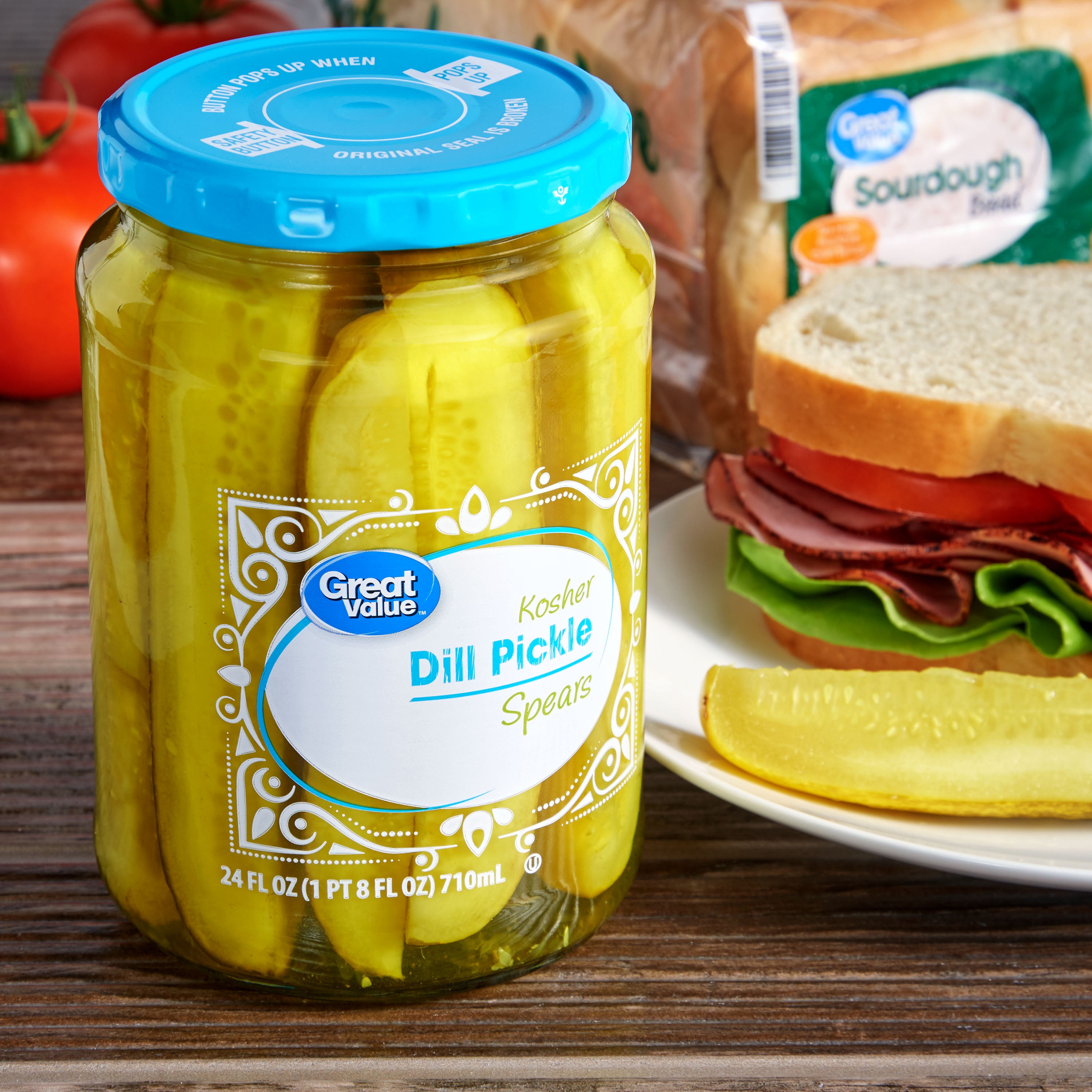
This product is ultra-processed due to the inclusion of additives like sodium benzoate and polysorbate 80, which are used for preservation and texture but raise health concerns. While cucumbers are a beneficial ingredient, the presence of these additives and the use of natural flavors, which lack transparency, contribute to a lower score. The processing level and the use of controversial ingredients limit the healthiness of this product.
Key ingredients 9
CucumbersGood
Cucumbers are a low-calorie vegetable rich in water content, making them hydrating and refreshing. They provide small amounts of vitamins and minerals, including vitamin K and potassium. As a whole food, they are minimally processed and contribute positively to the product's nutritional profile.
Benefits
Cucumbers are hydrating and provide essential nutrients like vitamin K and potassium, supporting overall health.
TurmericGood
Beneficial ingredient — whole-food or functional value in this product class.
Benefits
Provides natural color and has anti-inflammatory properties.
WaterNeutral
Water is used as a solvent and carrier in food products. It is essential for hydration and does not contribute calories or nutrients. In this product, it serves as a medium for the brine solution.
Benefits
Water is essential for hydration and acts as a solvent in food processing.
VinegarNeutral
Vinegar is used as a preservative and flavoring agent in pickled products. It provides acidity that helps in preservation and adds a tangy flavor. While it has some antimicrobial properties, it does not offer significant nutritional benefits.
Risks
Excessive consumption may lead to digestive discomfort due to its acidity.
Benefits
Vinegar acts as a preservative and flavor enhancer in pickled products.
SaltNeutral
Salt is used for flavor enhancement and preservation in pickled products. It is a common ingredient in processed foods and contributes to the sodium content. While necessary for preservation, excessive intake can lead to health issues like hypertension.
Risks
High sodium intake is associated with increased risk of hypertension and cardiovascular diseases.
Benefits
Salt enhances flavor and acts as a preservative in food products.
Calcium ChlorideNeutral
Calcium chloride is used as a firming agent in pickled products to maintain texture. It is generally recognized as safe and does not significantly impact the nutritional profile. Its primary role is to improve the firmness of cucumbers in the pickling process.
Benefits
Calcium chloride helps maintain the firmness and texture of pickled cucumbers.
Sodium BenzoateBad
Sodium benzoate is a preservative used to prevent microbial growth in acidic foods. While effective, it can form benzene, a carcinogen, under certain conditions. Its use is controversial due to potential health concerns, especially when combined with vitamin C.
Risks
Potential formation of benzene, a carcinogen, when combined with vitamin C in acidic environments.
Benefits
Sodium benzoate effectively prevents microbial growth, extending shelf life.
Natural FlavorsBad
Natural flavors are used to enhance taste but lack transparency regarding their specific composition. They can contain a variety of compounds, some of which may cause allergic reactions or sensitivities. The lack of disclosure makes it difficult to assess their safety and nutritional impact.
Risks
Potential for allergic reactions or sensitivities due to undisclosed compounds.
Benefits
Enhances flavor without adding calories.
Polysorbate 80Bad
Polysorbate 80 is an emulsifier used to improve texture and stability in processed foods. It is a synthetic compound that can cause digestive issues and allergic reactions in sensitive individuals. Its use in food products is controversial due to potential health concerns.
Risks
May cause digestive issues and allergic reactions in sensitive individuals.
Benefits
Improves texture and stability in processed foods.
Processing
Ultra-Processed Foods
Get the full breakdown in the Scout appTake Scout shopping
Scan any product to see lab results, healthy alternatives, and your personalized analysis.
Download on theApp Store GET IT ONGoogle Play