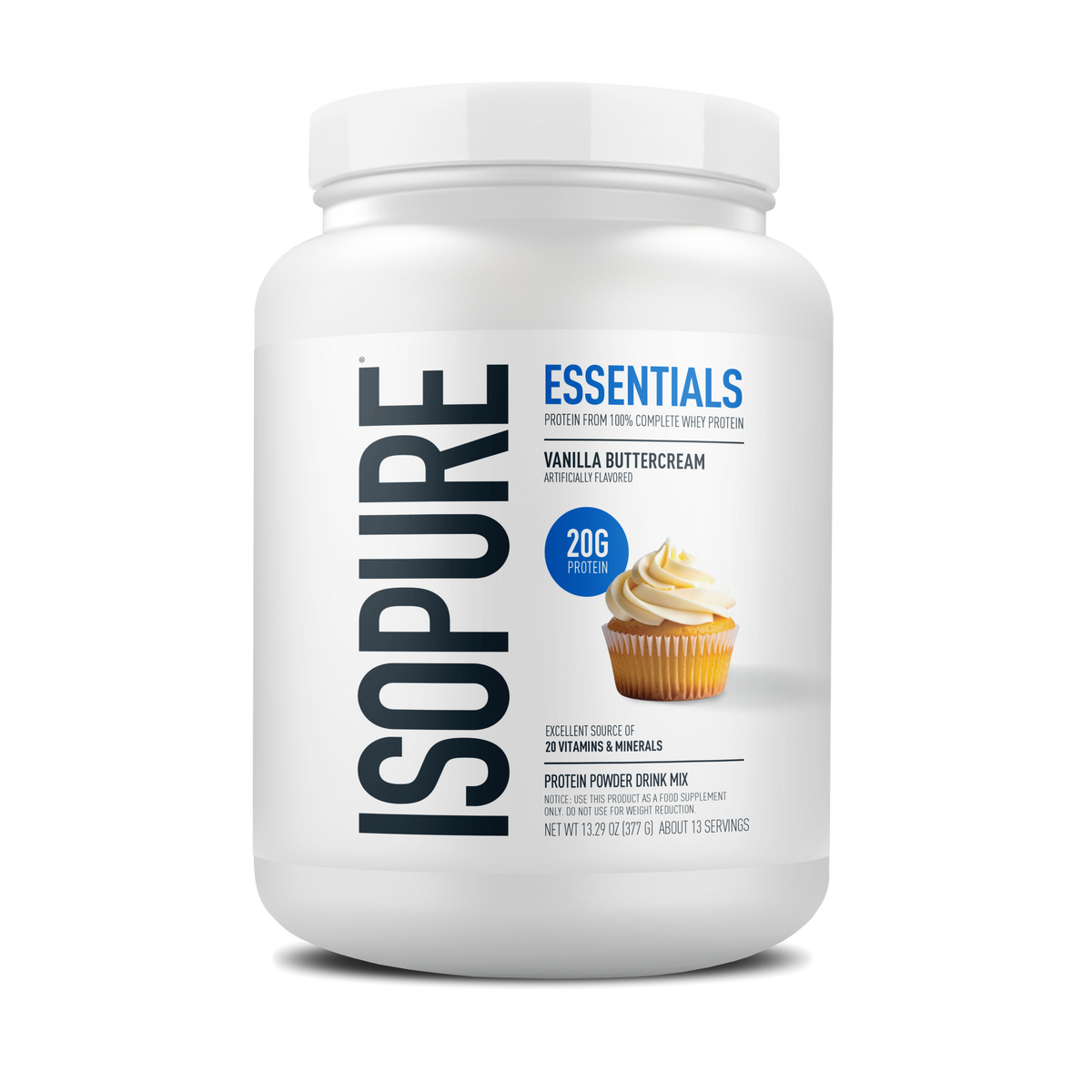
Protein Coconut Water Vanilla

At a glance
Summary
This protein coconut water product contains beneficial ingredients like coconut water and pea protein, which provide hydration and plant-based protein. However, it includes cane sugar and natural flavors, which are processed and can contribute to health concerns if consumed in excess. The presence of several additives, such as gellan gum and sunflower lecithin, indicates a moderate level of processing, which affects the overall score.
Key ingredients 19
Coconut WaterGood
Coconut water is a natural source of hydration and electrolytes. It contains potassium and magnesium, which are beneficial for maintaining fluid balance and muscle function. Its natural origin and minimal processing make it a healthy choice.
Benefits
Rich in electrolytes, it supports hydration and may aid in recovery after exercise.
Cocoa PowderGood
Beneficial ingredient — whole-food or functional value in this product class.
Risks
May contain reduced levels of antioxidants compared to non-alkalized cocoa.
Benefits
Adds flavor and color without significant health risks.
Calcium PhosphateGood
Calcium phosphate is a mineral used to fortify foods with calcium, supporting bone health. It is well-absorbed and contributes to the maintenance of healthy bones and teeth. Its inclusion in supplements is beneficial for those needing additional calcium intake.
Risks
Excessive intake may lead to hypercalcemia, but this is rare with normal consumption.
Benefits
Supports bone health and helps prevent calcium deficiency.
Sodium AscorbateGood
Sodium ascorbate is a form of vitamin C that is used to enhance the nutritional profile of foods. It is an antioxidant that supports immune function and skin health. Its inclusion helps prevent vitamin C deficiency.
Benefits
Supports immune health and acts as an antioxidant.
Vitamin E AcetateGood
Vitamin E acetate is a form of vitamin E used for its antioxidant properties. It helps protect cells from oxidative damage and supports skin health. Its inclusion in supplements is beneficial for overall health.
Benefits
Provides antioxidant benefits and supports skin health.
Zinc GluconateGood
Zinc gluconate is a form of zinc used to enhance the nutritional profile of foods. It supports immune function and wound healing. Its inclusion is beneficial for maintaining adequate zinc levels.
Risks
Excessive intake may cause nausea and interfere with copper absorption.
Benefits
Supports immune health and aids in wound healing.
Vitamin D2Good
Vitamin D2 is a form of vitamin D used to fortify foods. It supports bone health by aiding calcium absorption. Its inclusion helps prevent vitamin D deficiency, especially in individuals with limited sun exposure.
Benefits
Supports bone health and calcium absorption.
Vitamin B12Good
Vitamin B12 is essential for nerve function and the production of red blood cells. It is crucial for energy metabolism and preventing anemia. Its inclusion is beneficial for individuals with dietary restrictions that limit B12 intake.
Benefits
Supports nerve health and energy metabolism.
BiotinGood
Biotin is a B-vitamin that supports hair, skin, and nail health. It plays a role in energy metabolism and is often included in supplements for its beauty benefits. Its inclusion is beneficial for maintaining healthy skin and hair.
Benefits
Supports healthy hair, skin, and nails.
CyanocobalaminGood
Cyanocobalamin is a synthetic form of vitamin B12 used in supplements. It supports nerve function and the production of red blood cells. Its inclusion is beneficial for individuals at risk of B12 deficiency.
Benefits
Supports nerve health and prevents B12 deficiency.
Coconut CreamNeutral
Coconut cream adds richness and flavor but is high in saturated fats. It is minimally processed and derived from coconut, providing a creamy texture. While it adds calories, it does not contain trans fats or artificial additives.
Risks
High in saturated fats, which may impact heart health if consumed in excess.
Benefits
Provides a creamy texture and flavor without artificial additives.
Pea ProteinNeutral
Standard formulation ingredient — neither beneficial nor harmful at typical use.
Benefits
Offers a high-quality protein source that is easily digestible and supports muscle growth.
SaltNeutral
Salt is used to enhance flavor and preserve food. It is essential for maintaining fluid balance and nerve function. However, excessive intake can lead to hypertension and cardiovascular issues.
Risks
High intake may increase blood pressure and risk of heart disease.
Benefits
Essential for fluid balance and nerve function in moderation.
Gellan GumNeutral
Gellan gum is a gelling agent used to stabilize and thicken products. It is derived from bacterial fermentation and is considered safe for consumption. It provides texture without significant nutritional impact.
Benefits
Improves texture and stability of the product.
Dipotassium PhosphateNeutral
Dipotassium phosphate is used as a stabilizer and emulsifier. It helps maintain the consistency of the product and provides a source of potassium. It is generally recognized as safe when consumed in typical amounts.
Risks
Excessive intake may affect kidney function, but this is unlikely with normal consumption.
Benefits
Provides potassium and helps stabilize the product.
Vitamin A PalmitateNeutral
Standard formulation ingredient — neither beneficial nor harmful at typical use.
Risks
Excessive intake may lead to toxicity, but this is rare with normal consumption.
Benefits
Supports vision and immune health.
Cane SugarBad
Cane sugar is a refined sugar that can contribute to increased calorie intake and blood sugar spikes. It is processed to remove impurities, resulting in a high glycemic index. Excessive consumption can lead to health issues such as obesity and diabetes.
Risks
High consumption may lead to weight gain, insulin resistance, and dental cavities.
Benefits
Provides quick energy but lacks nutritional benefits.
Natural FlavorBad
Natural flavors are often used to enhance taste but lack transparency in their composition. They are highly processed and can contain numerous chemical compounds. The lack of disclosure can be concerning for those with allergies or sensitivities.
Risks
Potential allergen risk due to undisclosed ingredients.
Benefits
Enhances flavor without adding calories.
Sunflower LecithinBad
Sunflower lecithin is an emulsifier that helps blend ingredients. It is derived from sunflower seeds and is less processed than soy lecithin. However, it is still considered a processed additive.
Risks
May cause digestive issues in sensitive individuals.
Benefits
Helps improve texture and mixability of the product.
Processing
Ultra-Processed Foods
Get the full breakdown in the Scout appTake Scout shopping
Scan any product to see lab results, healthy alternatives, and your personalized analysis.
Are you Nature's Nectar? Fix an error Get the badge Get tested