



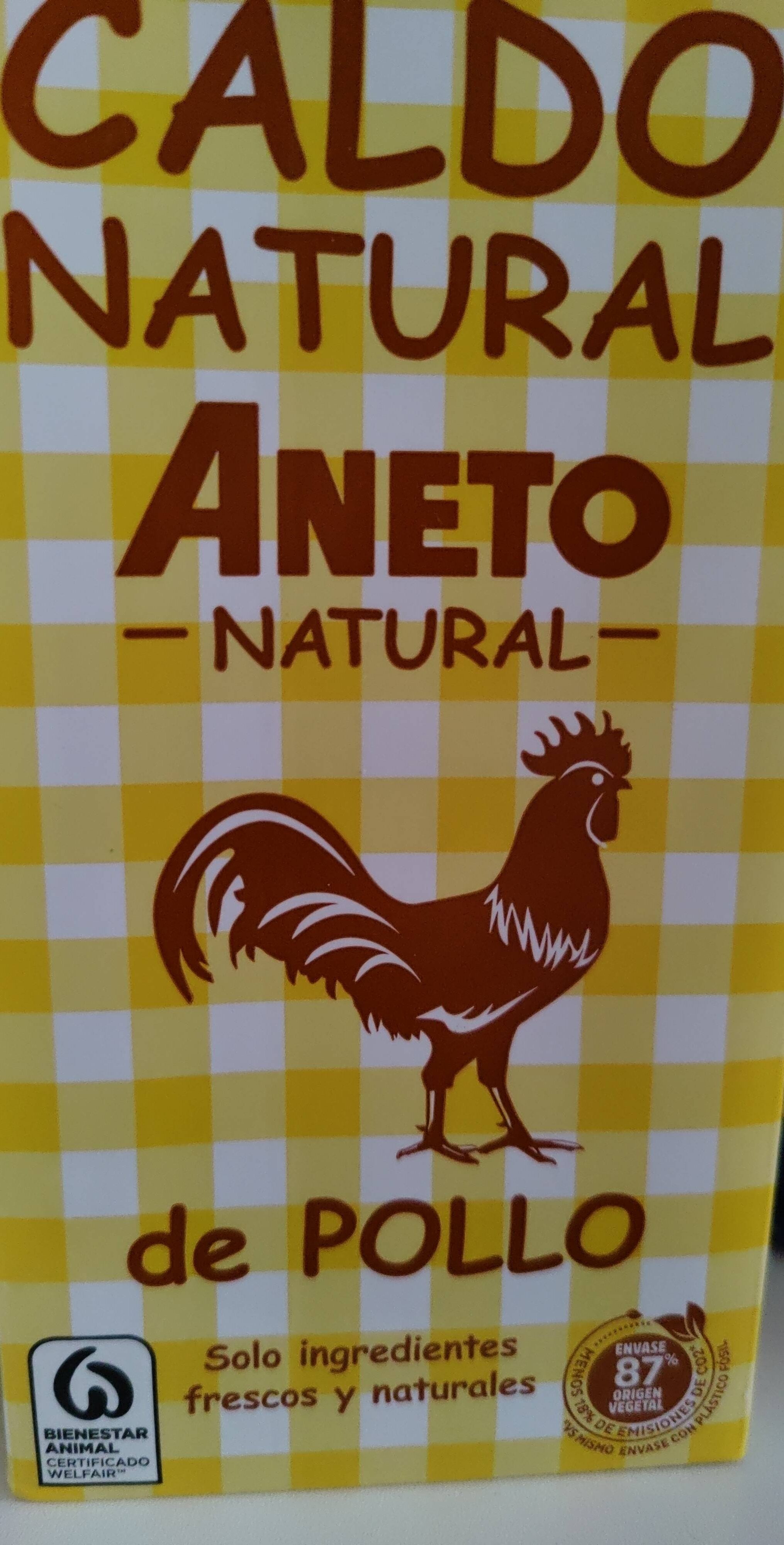

At a glance
Summary
This chicken broth contains beneficial ingredients like chicken stock, sea salt, and vegetables, which provide essential nutrients and flavor. However, the presence of 'flavoring' as a vague ingredient raises concerns about potential artificial additives. The product is moderately processed, which limits its score despite the overall clean ingredient list.
Key ingredients 11
Chicken StockGood
Chicken stock is a nutritious base providing essential amino acids and minerals. It is typically made by simmering chicken bones and vegetables, which extracts collagen and nutrients. This ingredient supports joint health and provides a rich flavor profile.
Benefits
Rich in collagen and minerals that support joint health and digestion. Provides a savory flavor base for soups and stews.
Sea SaltGood
Sea salt is a minimally processed source of sodium and trace minerals. It is harvested from evaporated seawater and retains natural minerals. This ingredient enhances flavor and provides essential electrolytes.
Risks
Excessive consumption can lead to high blood pressure and cardiovascular issues.
Benefits
Provides essential electrolytes and enhances the flavor of dishes. Contains trace minerals that support overall health.
Dehydrated OnionsGood
Dehydrated onions are a concentrated source of flavor and nutrients. They retain most of the beneficial compounds found in fresh onions, such as antioxidants and vitamins. This ingredient enhances flavor while providing health benefits.
Benefits
Rich in antioxidants and vitamins that support immune health and reduce inflammation.
CarrotsGood
Carrots are a nutritious vegetable rich in beta-carotene, fiber, and antioxidants. They are minimally processed and retain their nutritional value. This ingredient supports eye health and provides a natural sweetness.
Benefits
Rich in beta-carotene and fiber, supporting eye health and digestion.
CeleryGood
Celery is a low-calorie vegetable high in fiber and antioxidants. It is minimally processed and retains its nutritional benefits. This ingredient supports digestion and provides a subtle flavor.
Benefits
High in fiber and antioxidants, supporting digestive health and reducing inflammation.
OnionsGood
Onions are a flavorful vegetable rich in antioxidants and vitamins. They are minimally processed and provide health benefits such as immune support. This ingredient enhances flavor and offers nutritional value.
Benefits
Rich in antioxidants and vitamins, supporting immune health and reducing inflammation.
SaltNeutral
Salt is a common seasoning used to enhance flavor. It is a refined form of sodium chloride without additional minerals. While necessary for bodily functions, it should be consumed in moderation.
Risks
Excessive intake can contribute to hypertension and cardiovascular diseases.
Benefits
Essential for maintaining fluid balance and nerve function in the body.
Chicken FatNeutral
Chicken fat is a source of animal fat that provides flavor and richness. It contains saturated fats, which should be consumed in moderation. This ingredient adds depth to the broth's flavor profile.
Risks
High intake of saturated fats can increase the risk of heart disease.
Benefits
Provides flavor and richness, and contains fat-soluble vitamins.
FlavoringBad
Flavoring is a vague term that can include a variety of artificial or natural additives. It lacks transparency, making it difficult to assess health impacts. This ingredient may contain artificial components that are not beneficial.
Risks
Potential presence of artificial additives may cause allergic reactions or other health concerns.
SugarBad
Refined added sugar.
Risks
High intake can contribute to weight gain, insulin resistance, and dental cavities.
Benefits
Provides a quick source of energy but should be consumed in moderation.
Yeast ExtractBad
Concentrated glutamate source — MSG-adjacent flavor enhancer.
Risks
May contribute to high sodium intake if consumed in large amounts.
Benefits
Contains B vitamins and amino acids that can support metabolic functions.
Processing
Processed Foods
Get the full breakdown in the Scout appTake Scout shopping
Scan any product to see lab results, healthy alternatives, and your personalized analysis.
Download on theApp Store GET IT ONGoogle Play