



At a glance
Summary
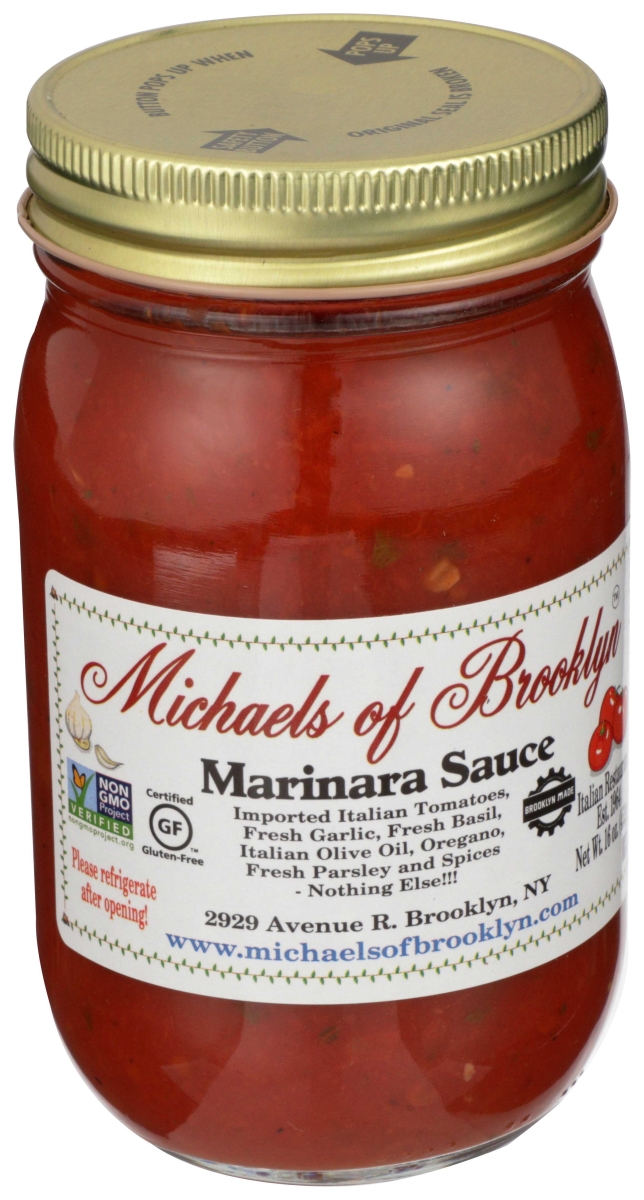
This marinara sauce contains beneficial ingredients like tomato puree and extra virgin olive oil, which provide antioxidants and healthy fats. However, the presence of added sugar and natural flavors, which are highly processed and lack transparency, detracts from its overall healthiness. The product is also classified as ultra-processed, which limits its potential health score despite some positive ingredient qualities.
Key ingredients 11
Extra virgin olive oilVery Good
Extra virgin olive oil is a high-quality monounsaturated fat with anti-inflammatory properties. It contains antioxidants that support heart health. Cold-pressed extraction preserves beneficial compounds.
Benefits
Rich in monounsaturated fats that support heart health and provide anti-inflammatory properties. Contains antioxidants like vitamin E and polyphenols that may reduce oxidative stress.
Tomato pureeGood
Tomato puree is a concentrated source of tomatoes, providing vitamins and antioxidants. It is minimally processed, retaining much of the nutritional value of fresh tomatoes. The puree is rich in lycopene, which has been linked to various health benefits.
Benefits
Rich in vitamins A and C, and lycopene, which may support heart health and reduce cancer risk.
BasilGood
Basil is a herb that adds flavor and aroma to dishes. It contains essential oils and antioxidants that may offer health benefits. Fresh or dried, basil can contribute to a healthy diet.
Benefits
Rich in antioxidants and may have anti-inflammatory properties.
Diced tomatoes in tomato juiceGood
Diced tomatoes in tomato juice provide vitamins and antioxidants similar to fresh tomatoes. They are minimally processed, retaining much of their nutritional value. The juice adds flavor and additional nutrients.
Benefits
Rich in vitamins A and C, and lycopene, which may support heart health and reduce cancer risk.
Citric acidNeutral
Citric acid is used as a preservative and flavor enhancer in foods. It is naturally found in citrus fruits and is generally recognized as safe. It helps maintain the acidity and freshness of the product.
Risks
Excessive consumption may cause tooth enamel erosion or gastrointestinal discomfort.
Benefits
Helps preserve the product and enhance flavor without significant nutritional benefits.
SaltNeutral
Salt is used to enhance flavor and preserve food. It is a common ingredient in processed foods and provides essential sodium. However, excessive intake can lead to health issues such as hypertension.
Risks
High sodium intake is linked to increased blood pressure and cardiovascular disease risk.
Benefits
Provides essential sodium necessary for various bodily functions.
Dried onionNeutral
Dried onion is used for flavoring and retains some nutritional properties of fresh onions. It is a convenient form of onion with a long shelf life. However, the drying process may reduce some of its nutrient content.
Benefits
Provides flavor and some antioxidants, though less than fresh onions.
Dried garlicNeutral
Dried garlic is used for flavor and retains some health benefits of fresh garlic. It is a convenient form with a long shelf life. The drying process may reduce some of its beneficial compounds.
Benefits
Contains allicin, which may have antimicrobial and cardiovascular benefits.
SpiceNeutral
Spices are used to enhance flavor and may provide some health benefits. The specific type of spice is not identified, which limits detailed analysis. Generally, spices can offer antioxidants and anti-inflammatory properties.
Benefits
May provide antioxidants and enhance flavor.
SugarBad
Refined sugar is added to enhance sweetness but offers no nutritional benefits. It is associated with increased risk of obesity, diabetes, and heart disease when consumed in excess. The presence of sugar in processed foods can contribute to excessive calorie intake.
Risks
High consumption can lead to weight gain, insulin resistance, and increased risk of chronic diseases.
Natural flavorBad
Natural flavors are used to enhance taste but lack transparency regarding their specific composition. They are often highly processed and can contain a variety of chemical compounds. The term 'natural' does not guarantee health benefits or safety.
Risks
Potential allergens and unknown chemical compounds may pose health risks.
Processing
Ultra-Processed Foods
Get the full breakdown in the Scout appTake Scout shopping
Scan any product to see lab results, healthy alternatives, and your personalized analysis.
Download on theApp Store GET IT ONGoogle Play