



At a glance
Summary
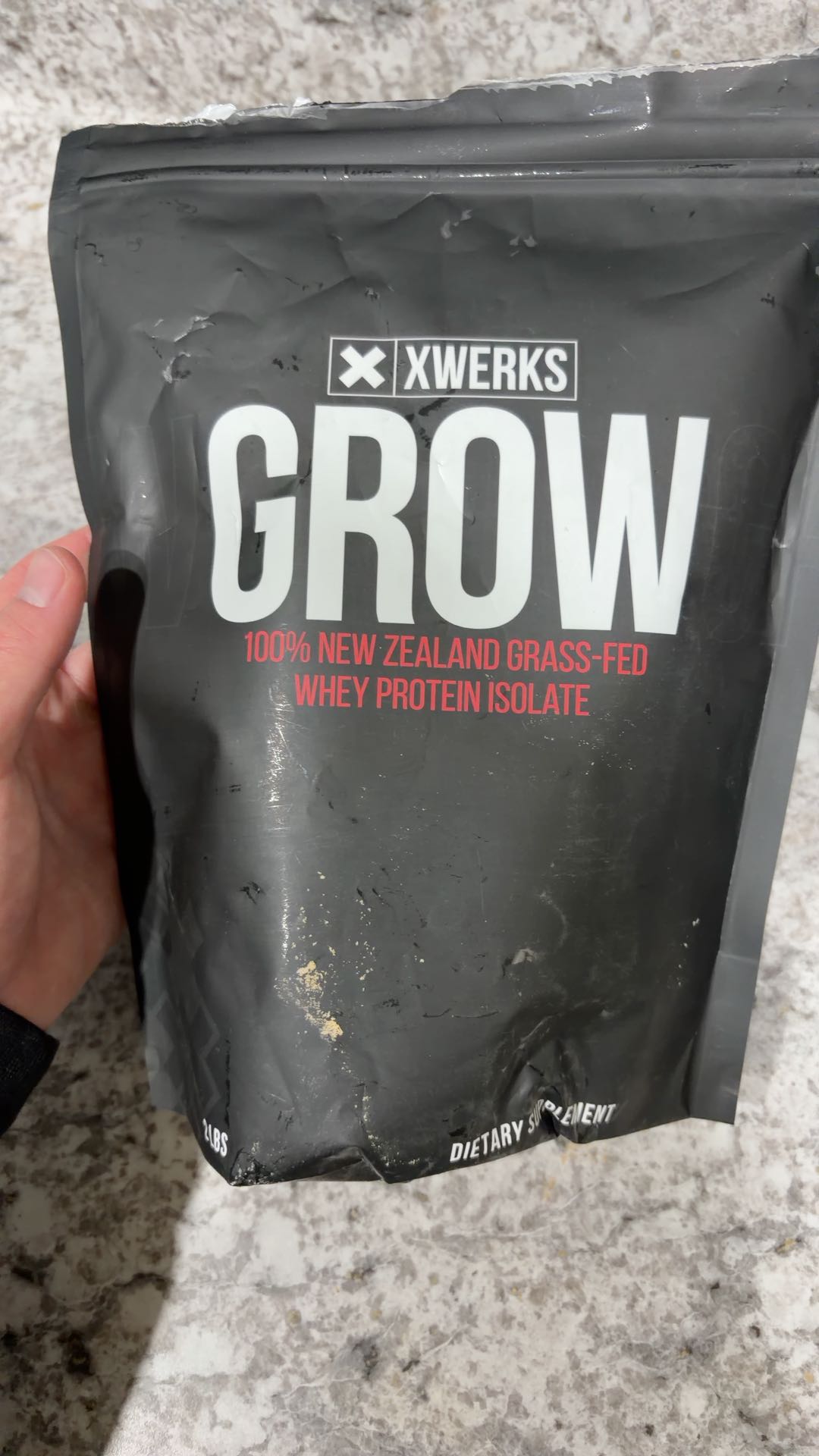
This whey protein complex contains high-quality protein sources like whey protein concentrate and isolate, which are beneficial for muscle growth and recovery. However, the presence of sucralose, an artificial sweetener, and unspecified flavoring raises concerns about potential health impacts and transparency. The product also includes lecithin as an emulsifier, which is a processed additive that some consumers may prefer to avoid.
Key ingredients 10
Whey Protein ConcentrateGood
Whey protein concentrate is a high-quality protein source rich in essential amino acids. It is derived from milk and is known for its excellent digestibility and absorption. This ingredient supports muscle growth and recovery, making it beneficial for athletes and active individuals.
Benefits
Provides a complete amino acid profile essential for muscle repair and growth.
Whey Protein IsolateGood
Whey protein isolate is a highly purified form of protein with minimal lactose and fat content. It is processed through microfiltration, which retains protein quality while removing impurities. This makes it ideal for those seeking a lean protein source.
Benefits
Offers a high protein content with minimal carbohydrates and fats, supporting lean muscle maintenance.
Cocoa PowderGood
Beneficial ingredient — whole-food or functional value in this product class.
Benefits
Contains antioxidants that may offer health benefits, though present in small amounts.
LactaseGood
Lactase is an enzyme that helps break down lactose, making dairy products more digestible for lactose-intolerant individuals. It is added to improve the product's digestibility and accessibility. This inclusion is beneficial for those with lactose intolerance.
Benefits
Enhances digestibility for lactose-intolerant individuals, allowing them to consume dairy-based products.
SaltNeutral
Salt is used to enhance flavor and preserve the product. While necessary in small amounts, excessive consumption can lead to health issues such as hypertension. In this product, it is present in moderate quantities.
Risks
Excessive intake may contribute to high blood pressure and cardiovascular issues.
Benefits
Enhances flavor and acts as a preservative in food products.
Silicon DioxideNeutral
Silicon dioxide is an anti-caking agent that prevents clumping in powdered products. It is generally recognized as safe and used in small amounts. Its role is purely functional, with no direct health benefits.
Benefits
Ensures product consistency by preventing clumping.
Steviol GlycosidesNeutral
Steviol glycosides are natural sweeteners derived from the stevia plant. They offer a zero-calorie alternative to sugar, with no significant health concerns. This makes them a popular choice for those reducing sugar intake.
Benefits
Offers a natural, zero-calorie sweetening option without impacting blood sugar levels.
LecithinBad
Lecithin is used as an emulsifier to improve texture and mixability in products. It is often derived from soy or sunflower, which may raise concerns for those with allergies. While not inherently harmful, it is a processed additive that some consumers prefer to avoid.
Risks
May cause allergic reactions in sensitive individuals, particularly if derived from soy.
Benefits
Improves the texture and solubility of protein powders, enhancing user experience.
FlavoringBad
Flavoring is a catch-all term for various compounds used to enhance taste. The lack of specificity raises concerns about artificial additives and potential allergens. Consumers seeking transparency may find this ingredient problematic.
Risks
Potential for containing artificial additives and allergens, which may not be disclosed.
SucraloseBad
Sucralose is an artificial sweetener used to provide sweetness without calories. It is highly processed and may affect gut health in some individuals. While it offers a sugar-free option, its long-term health effects are still debated.
Risks
May impact gut microbiota and cause digestive issues in sensitive individuals.
Benefits
Provides sweetness without adding calories, suitable for low-calorie diets.
Processing
Ultra-Processed Foods
Get the full breakdown in the Scout appTake Scout shopping
Scan any product to see lab results, healthy alternatives, and your personalized analysis.
Download on theApp Store GET IT ONGoogle Play