


At a glance
Summary
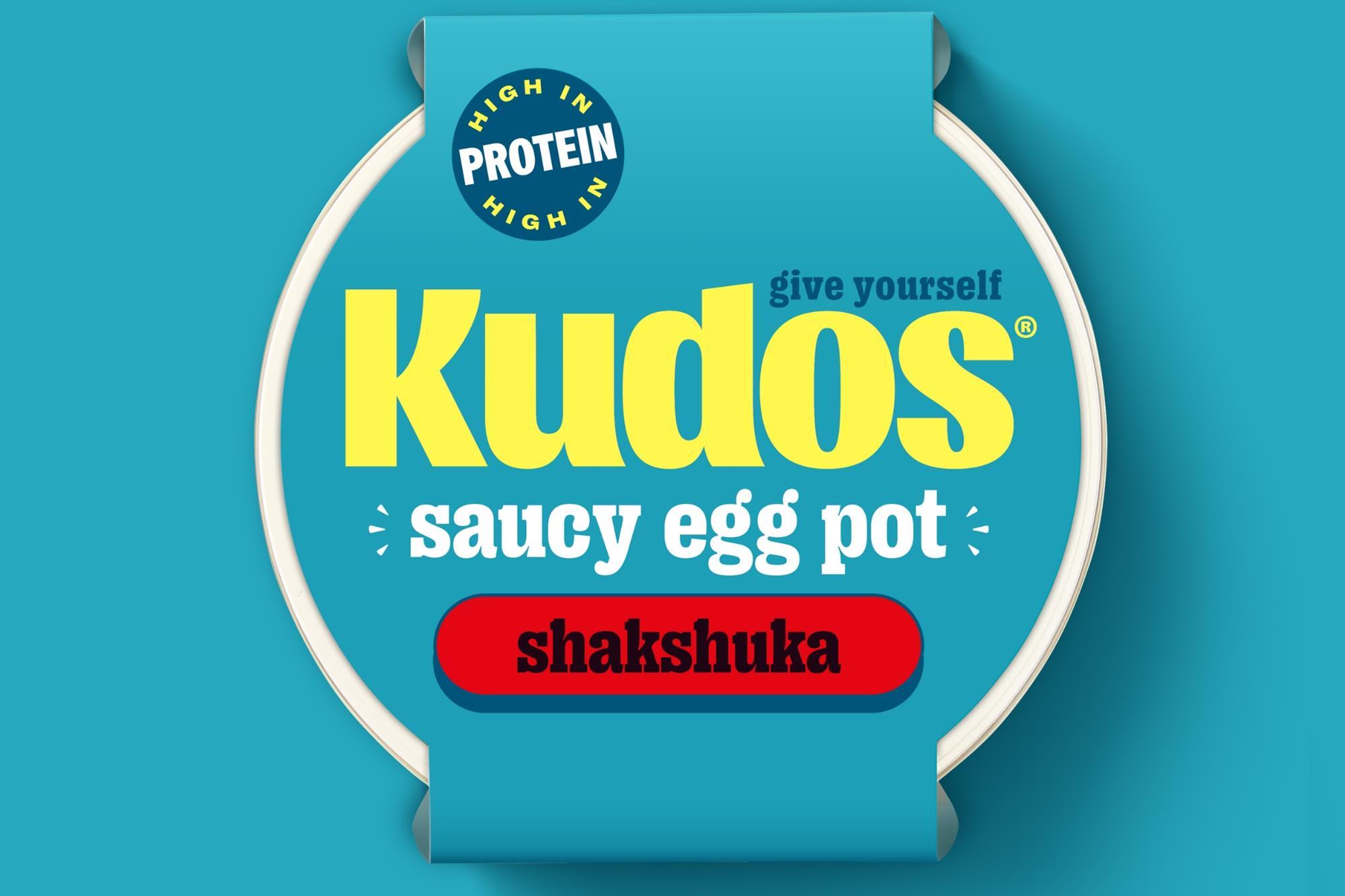
The product contains beneficial ingredients such as free-range eggs, semi-skimmed milk, and feta cheese, which provide high-quality protein and essential nutrients. However, the presence of rapeseed oil, a highly processed seed oil, detracts from the overall healthiness due to its potential inflammatory effects. Additionally, the product's processing level limits its score, as it includes multiple ingredients and additives that contribute to its processed nature.
Key ingredients 19
Pasteurised Whole Free Range EggVery Good
Whole eggs are a high-quality source of protein and essential nutrients. Free-range eggs may have higher levels of omega-3 fatty acids and vitamins compared to conventional eggs. They are minimally processed and provide a complete amino acid profile.
Benefits
Rich in protein, vitamins, and minerals, supporting muscle health and overall nutrition.
Semi-Skimmed MilkGood
Semi-skimmed milk provides calcium and protein with reduced fat content. It is a good source of essential nutrients like vitamin D and B vitamins. The processing removes some fat while retaining most nutritional benefits.
Risks
Potential lactose intolerance or milk allergy concerns for some individuals.
Benefits
Provides calcium and protein, supporting bone health and muscle function.
Feta CheeseGood
Feta cheese is a flavorful cheese that provides calcium and protein. It is traditionally made from sheep's milk, which may offer a different nutrient profile compared to cow's milk cheese. The fermentation process can also provide beneficial probiotics.
Risks
Contains sodium, which should be consumed in moderation to avoid hypertension.
Benefits
Rich in calcium and protein, supporting bone health and providing probiotics for gut health.
Slow Roasted TomatoesGood
Slow roasted tomatoes are rich in lycopene, an antioxidant that may reduce the risk of chronic diseases. The roasting process enhances flavor and preserves nutrients. They are a good source of vitamins A and C.
Benefits
Provides antioxidants and vitamins, supporting immune function and reducing oxidative stress.
ParsleyGood
Parsley is a fresh herb rich in vitamins A, C, and K. It provides antioxidants and has anti-inflammatory properties. The fresh form retains most of its nutritional benefits.
Benefits
Rich in vitamins and antioxidants, supporting immune health and reducing inflammation.
White PepperGood
White pepper is a spice that adds flavor and contains antioxidants. It is derived from the ripe seeds of the pepper plant and has anti-inflammatory properties. The processing involves removing the outer layer of the peppercorn.
Benefits
Adds flavor and provides antioxidants, supporting overall health.
TurmericGood
Turmeric is a spice known for its anti-inflammatory and antioxidant properties. It contains curcumin, which has been studied for its potential health benefits. The spice is minimally processed and retains its active compounds.
Benefits
Provides anti-inflammatory and antioxidant benefits, supporting overall health.
Garlic PowderGood
Garlic powder is a dehydrated form of garlic that retains its health benefits. It contains compounds like allicin, which have antimicrobial and cardiovascular benefits. The dehydration process preserves its active compounds.
Benefits
Provides antimicrobial and cardiovascular benefits, supporting heart health.
Onion PowderGood
Onion powder is a dehydrated form of onion that retains its flavor and nutrients. It contains antioxidants and compounds that may support heart health. The dehydration process concentrates its beneficial compounds.
Benefits
Provides antioxidants and supports heart health.
NutmegGood
Nutmeg is a spice that adds flavor and contains antioxidants. It is derived from the seed of the nutmeg tree and has anti-inflammatory properties. The spice is minimally processed and retains its beneficial compounds.
Benefits
Adds flavor and provides antioxidants, supporting overall health.
ThymeGood
Thyme is a herb that adds flavor and contains antioxidants. It is rich in vitamins and has antimicrobial properties. The fresh form retains most of its nutritional benefits.
Benefits
Rich in vitamins and antioxidants, supporting immune health and reducing inflammation.
Tapioca StarchNeutral
Part of Thickener. Thickeners like tapioca starch and guar gum are used to improve texture and stability. They are generally considered safe and have minimal nutritional impact. Tapioca starch is derived from cassava root, while guar gum is a fiber from guar beans.
Risks
Excessive consumption may cause digestive discomfort in sensitive individuals.
Benefits
Provides texture and stability without significant nutritional impact.
Guar GumNeutral
Part of Thickener. Thickeners like tapioca starch and guar gum are used to improve texture and stability. They are generally considered safe and have minimal nutritional impact. Tapioca starch is derived from cassava root, while guar gum is a fiber from guar beans.
Risks
Excessive consumption may cause digestive discomfort in sensitive individuals.
Benefits
Provides texture and stability without significant nutritional impact.
Fortified Wheat FlourNeutral
Fortified wheat flour is enriched with vitamins and minerals like iron and B vitamins. It is a common ingredient in processed foods to enhance nutritional value. The fortification process aims to replace nutrients lost during milling.
Risks
Contains gluten, which may cause issues for those with celiac disease or gluten sensitivity.
Benefits
Provides essential vitamins and minerals, supporting overall nutrition.
SaltNeutral
Salt is used to enhance flavor and preserve food. It is a necessary nutrient but should be consumed in moderation to avoid health issues like hypertension. The processing of salt removes trace minerals found in unrefined salts.
Risks
Excessive consumption can lead to hypertension and cardiovascular issues.
Benefits
Enhances flavor and is essential for maintaining electrolyte balance.
YeastNeutral
Yeast is used in fermentation and as a leavening agent. It is a natural ingredient that contributes to the texture and flavor of baked goods. The fermentation process can produce beneficial compounds.
Benefits
Contributes to texture and flavor, and may produce beneficial compounds during fermentation.
Paprika ExtractNeutral
Used as colour. Paprika extract is used as a natural colorant and adds flavor. It is derived from paprika peppers and contains antioxidants. The extraction process concentrates its color and flavor compounds.
Benefits
Adds natural color and flavor, and provides antioxidants.
Yeast ExtractBad
Concentrated glutamate source — MSG-adjacent flavor enhancer.
Risks
May contain naturally occurring glutamates, which can cause sensitivity in some individuals.
Benefits
Provides B vitamins and enhances flavor with umami notes.
Rapeseed OilVery Bad
Rapeseed oil is a seed oil high in omega-6 fatty acids, which can promote inflammation when consumed in excess. It is often highly processed and refined, which may reduce its nutritional quality. The extraction process can involve chemical solvents.
Risks
High omega-6 content may promote inflammation when consumed in excess.
Processing
Processed Foods
Get the full breakdown in the Scout appTake Scout shopping
Scan any product to see lab results, healthy alternatives, and your personalized analysis.
Download on theApp Store GET IT ONGoogle Play