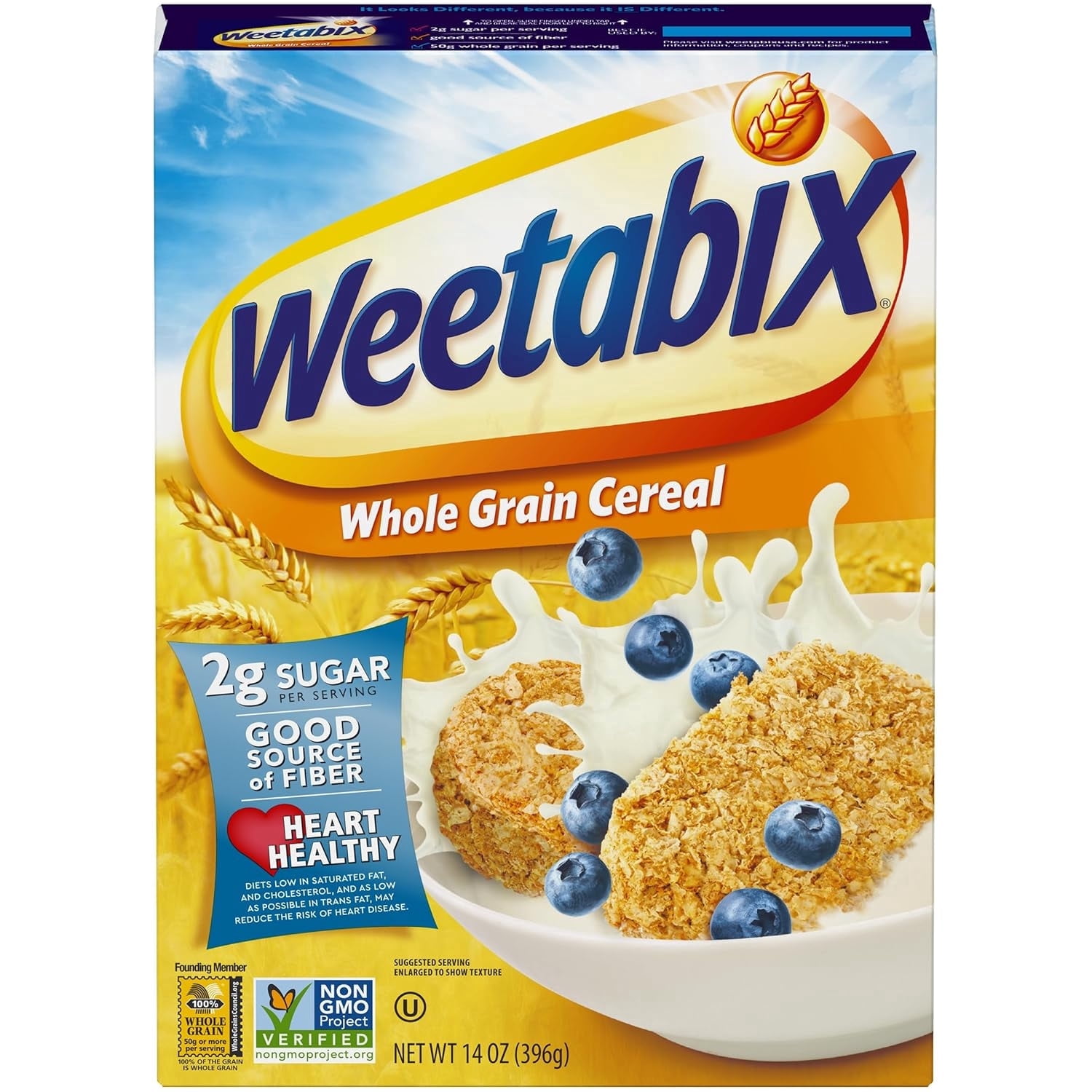
Weetabix Oatiflakes

At a glance
Summary
Weetabix Oatiflakes primarily consists of wholegrain oats, which are a nutritious and minimally processed ingredient, contributing to its fiber and protein content. However, the presence of added sugar and the product's processed nature limit its score. The inclusion of vitamins and minerals is beneficial, but the sugar content and processing level prevent it from achieving a higher rating.
Key ingredients 13
Wholegrain OatsVery Good
Wholegrain oats are a rich source of dietary fiber and essential nutrients. They are minimally processed, retaining most of their natural nutrients. Oats are known for their heart health benefits and ability to stabilize blood sugar levels.
Benefits
Rich in beta-glucan, which can help lower cholesterol levels and improve heart health. Provides a good source of energy and supports digestive health.
NiacinGood
Niacin, or vitamin B3, is essential for energy metabolism and DNA repair. It is often added to foods to prevent deficiencies. Niacin supports skin health and can improve cholesterol levels.
Benefits
Supports energy production and can help improve cholesterol levels, reducing cardiovascular risk.
IronGood
Iron is a crucial mineral for oxygen transport and energy production. It is often added to cereals to prevent anemia. Adequate iron intake is vital for maintaining healthy blood cells.
Risks
Excessive iron intake can lead to toxicity, especially in individuals with hemochromatosis.
Benefits
Essential for hemoglobin formation and preventing iron-deficiency anemia.
Pantothenic AcidGood
Pantothenic acid, or vitamin B5, is important for synthesizing coenzyme A and metabolizing carbohydrates, proteins, and fats. It is added to foods to ensure adequate intake. This vitamin supports adrenal function and energy production.
Benefits
Supports energy metabolism and the synthesis of essential lipids and neurotransmitters.
ThiaminGood
Thiamin, or vitamin B1, is essential for carbohydrate metabolism and nerve function. It is commonly added to fortified foods to prevent deficiencies. Thiamin supports energy production and cognitive function.
Benefits
Crucial for energy metabolism and maintaining healthy nerve function.
RiboflavinGood
Riboflavin, or vitamin B2, is important for energy production and cellular function. It is often added to foods to prevent deficiencies. Riboflavin supports skin health and the metabolism of fats, drugs, and steroids.
Benefits
Supports energy production and helps maintain healthy skin and eyes.
Vitamin B6Good
Vitamin B6 is essential for amino acid metabolism and neurotransmitter synthesis. It is added to foods to ensure adequate intake. This vitamin supports immune function and brain health.
Benefits
Supports brain health and helps in the production of neurotransmitters and red blood cells.
Folic AcidGood
Folic acid is a synthetic form of folate, important for DNA synthesis and cell division. It is added to foods to prevent neural tube defects in pregnancy. Folic acid supports cardiovascular health by reducing homocysteine levels.
Risks
Excessive intake can mask vitamin B12 deficiency symptoms.
Benefits
Essential for DNA synthesis and preventing neural tube defects during pregnancy.
Vitamin B12Good
Vitamin B12 is crucial for nerve function and the production of DNA and red blood cells. It is often added to fortified foods to prevent deficiencies, especially in vegetarians. B12 supports energy production and neurological health.
Benefits
Essential for maintaining healthy nerve cells and producing red blood cells.
Malted Barley ExtractNeutral
Malted barley extract is used as a natural sweetener and flavor enhancer. It is derived from barley grains through a malting process. While it adds flavor, it does not provide significant nutritional benefits.
Risks
May contain gluten, which can be a concern for individuals with celiac disease or gluten sensitivity.
Benefits
Adds a natural sweetness and flavor to foods without the need for artificial additives.
Potassium ChlorideNeutral
Potassium chloride is used as a salt substitute to reduce sodium content. It is a mineral that can help maintain electrolyte balance. However, excessive intake can lead to hyperkalemia, especially in individuals with kidney issues.
Risks
Excessive consumption can lead to hyperkalemia, which can affect heart function.
Benefits
Helps in maintaining electrolyte balance and can aid in reducing sodium intake.
SaltNeutral
Salt is used to enhance flavor and preserve food. It is a common culinary ingredient but should be consumed in moderation. High sodium intake is linked to increased blood pressure and cardiovascular risk.
Risks
Excessive sodium intake can lead to hypertension and cardiovascular diseases.
Benefits
Essential for maintaining fluid balance and nerve function in the body.
SugarBad
Refined sugar is associated with increased risk of obesity and metabolic disorders. It is a processed ingredient that provides empty calories without nutritional benefits. Excessive consumption can lead to health issues such as insulin resistance.
Risks
High intake of refined sugar can contribute to weight gain, diabetes, and dental cavities.
Processing
Processed Foods
Get the full breakdown in the Scout appTake Scout shopping
Scan any product to see lab results, healthy alternatives, and your personalized analysis.
Are you Weetabix Limited? Fix an error Get the badge Get tested