



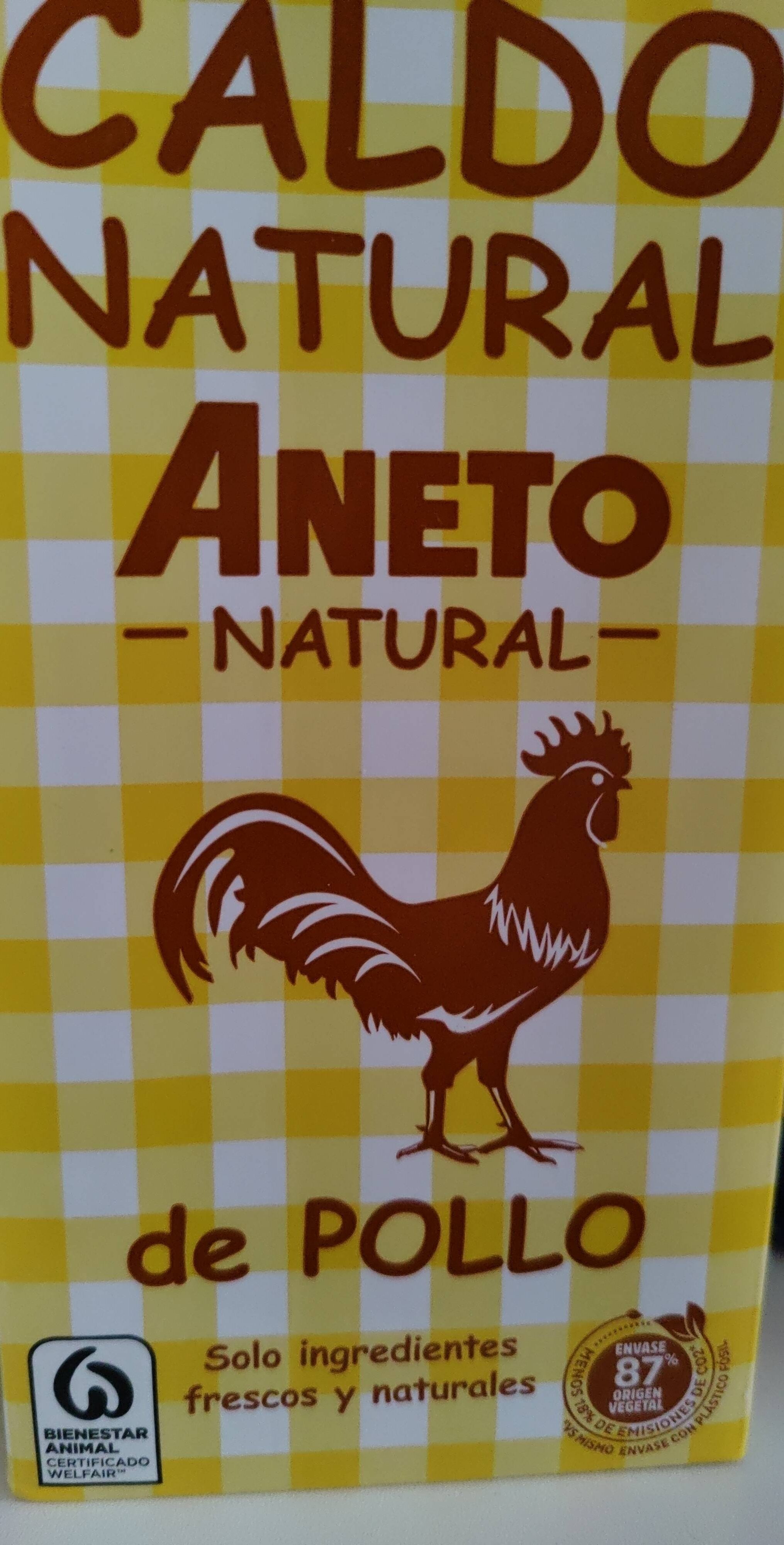

At a glance
Summary
This chicken broth contains beneficial ingredients like carrots, onions, peas, and chicken, which provide essential nutrients and protein. However, it is classified as ultra-processed due to the inclusion of vague flavoring agents and modified starches, which reduce its overall healthiness. The processing level and presence of non-specific additives limit its score despite the presence of some whole food ingredients.
Key ingredients 16
CarrotsGood
Carrots are a good source of beta-carotene, fiber, vitamin K1, and antioxidants. They are known for their potential to improve eye health and reduce the risk of chronic diseases. Carrots are minimally processed and retain most of their nutrients.
Benefits
Rich in beta-carotene, which is converted to vitamin A in the body, supporting vision and immune function.
PotatoesGood
Beneficial ingredient — whole-food or functional value in this product class.
Risks
High glycemic index may affect blood sugar levels if consumed in excess.
Benefits
Provides essential nutrients like vitamin C and potassium.
OnionsGood
Onions are rich in antioxidants and sulfur-containing compounds that may have anti-inflammatory effects. They are a flavorful addition to dishes and can support heart health. Onions are minimally processed and retain their beneficial compounds.
Benefits
Contains antioxidants that may reduce inflammation and support heart health.
PeasGood
Peas are a good source of plant-based protein, fiber, and essential vitamins and minerals. They support digestive health and provide a sustainable protein source. Peas are minimally processed and retain their nutritional benefits.
Benefits
Rich in protein and fiber, supporting digestive health and providing essential nutrients.
ChickenGood
Chicken is a high-quality source of protein and essential amino acids. It supports muscle growth and repair. The chicken used in this product is a minor component but still contributes to the protein content.
Risks
Potential for contamination if not cooked properly.
Benefits
Provides high-quality protein and essential amino acids.
ParsleyGood
Parsley is a herb rich in vitamins A, C, and K, and antioxidants. It adds flavor and nutritional value to dishes. Parsley is minimally processed and retains its beneficial compounds.
Benefits
Rich in vitamins and antioxidants, supporting overall health.
White PepperGood
Beneficial ingredient — whole-food or functional value in this product class.
Benefits
Contains piperine, which may enhance nutrient absorption.
WaterNeutral
Water is a neutral ingredient used as a base in many food products. It serves as a solvent and carrier for other ingredients. It does not provide any nutritional benefits or risks.
See more about Water →Cooked RiceNeutral
Cooked rice provides carbohydrates and some fiber but is generally considered a neutral ingredient. It is a staple food that offers energy but lacks significant micronutrients. The processing of rice involves removing the husk, bran, and germ, which reduces its nutritional content.
Risks
May contribute to high glycemic load if consumed in excess.
Benefits
Provides a source of carbohydrates for energy.
CornflourNeutral
Cornflour is used as a thickening agent in many food products. It is a refined carbohydrate with minimal nutritional value. It is generally considered neutral in terms of health impact.
Risks
May contribute to high glycemic load if consumed in excess.
Chicken StockNeutral
Chicken stock adds flavor and some nutrients to the broth. It is made by simmering chicken bones and vegetables, extracting flavors and nutrients. The nutritional content depends on the preparation method and ingredients used.
Risks
Potential for high sodium content depending on preparation.
Benefits
Adds flavor and some nutrients to the broth.
Modified Maize StarchNeutral
Modified maize starch is used as a thickening agent and stabilizer. It is a processed ingredient that provides texture but minimal nutritional value. It is generally considered neutral in terms of health impact.
Risks
May contribute to high glycemic load if consumed in excess.
SaltNeutral
Salt is used to enhance flavor and preserve food. It is essential for maintaining fluid balance and nerve function. However, excessive consumption can lead to health issues such as hypertension.
Risks
Excessive intake can lead to high blood pressure and other cardiovascular issues.
Benefits
Essential for maintaining fluid balance and nerve function.
Chicken FatNeutral
Chicken fat adds flavor and richness to the broth. It is a source of saturated fat and should be consumed in moderation. The nutritional impact depends on the amount used in the product.
Risks
High intake of saturated fats may increase cholesterol levels.
Benefits
Adds flavor and richness to the broth.
FlavouringBad
Flavouring is a vague term that can include a variety of artificial or natural additives. It lacks transparency and may contain undesirable additives. The lack of specificity makes it difficult to assess health impacts accurately.
Risks
Potential for containing artificial additives or allergens.
Yeast ExtractBad
Concentrated glutamate source — MSG-adjacent flavor enhancer.
Risks
May contribute to high sodium intake if consumed in excess.
Benefits
Provides B vitamins and enhances flavor.
Processing
Ultra-Processed Foods
Get the full breakdown in the Scout appTake Scout shopping
Scan any product to see lab results, healthy alternatives, and your personalized analysis.
Download on theApp Store GET IT ONGoogle Play