
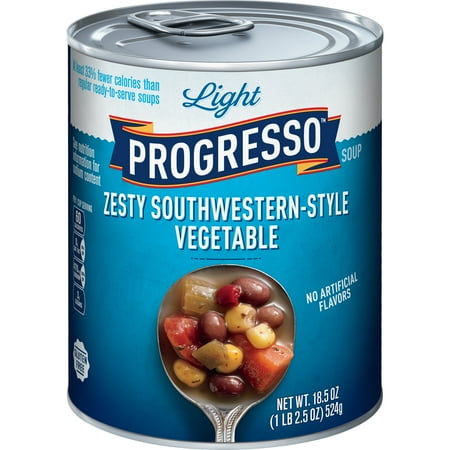


Progresso Light Zesty Southwestern Style Vegetable Soup
Analysis updated May 2026 · How Scout scores
At a glance
Summary
This soup contains several beneficial ingredients like chicken broth, celery, tomatoes, and black beans, which contribute to its nutritional value. However, it is heavily processed, with additives such as hydrolyzed corn protein and sodium phosphate, which are less desirable. The presence of natural flavors and a high level of processing limit its overall healthiness despite the presence of some nutritious components.
Key ingredients 12
Chicken brothGood
Chicken broth is a flavorful base that provides some protein and minerals. It is typically made by simmering chicken bones and meat, which can release collagen and nutrients. This ingredient can enhance the taste and nutritional profile of soups.
Risks
Potential allergen for individuals sensitive to chicken or poultry products.
Benefits
Provides a source of protein and minerals, and can contribute to the overall flavor and nutritional value of the soup.
CeleryGood
Celery is a low-calorie vegetable rich in vitamins and antioxidants. It is often used in soups for its flavor and nutritional benefits. Celery can support digestion and provide essential nutrients like vitamin K.
Benefits
Rich in antioxidants and vitamins, supporting overall health and digestion.
TomatoesGood
Tomatoes are a rich source of vitamins A and C, as well as the antioxidant lycopene. They are commonly used in soups for their flavor and nutritional benefits. Lycopene in tomatoes may help reduce the risk of certain chronic diseases.
Benefits
High in vitamins and antioxidants, contributing to heart health and reducing inflammation.
CarrotsGood
Carrots are a nutritious vegetable high in beta-carotene, fiber, and antioxidants. They are often included in soups for their sweet flavor and health benefits. Beta-carotene is converted to vitamin A in the body, supporting vision and immune function.
Benefits
Rich in beta-carotene and fiber, supporting eye health and digestion.
Black beansGood
Black beans are a good source of plant-based protein, fiber, and essential nutrients. They are included in soups for their nutritional benefits and ability to enhance satiety. The fiber content in black beans supports digestive health.
Benefits
Provides plant-based protein and fiber, supporting digestive health and satiety.
Xanthan gumNeutral
Xanthan gum is a common food additive used as a thickener and stabilizer. It is produced through fermentation of sugars by Xanthomonas campestris bacteria. While it is generally recognized as safe, it provides no nutritional benefits.
Risks
Excessive consumption may cause digestive discomfort in sensitive individuals.
Soluble corn fiberNeutral
Soluble corn fiber is a processed fiber used to increase fiber content in foods. It is derived from corn and can help support digestive health. However, it is a processed ingredient and may not offer the same benefits as whole food sources of fiber.
Benefits
Can support digestive health by increasing fiber intake.
Potassium chlorideNeutral
Potassium chloride is used as a salt substitute to reduce sodium content in foods. It provides potassium, an essential mineral for maintaining fluid balance and nerve function. However, excessive intake can lead to hyperkalemia in susceptible individuals.
Risks
Excessive intake may lead to hyperkalemia, especially in individuals with kidney issues.
Benefits
Provides potassium, which is essential for maintaining fluid balance and nerve function.
Citric acidNeutral
Citric acid is a natural preservative and flavor enhancer found in citrus fruits. It is commonly used in foods to add acidity and preserve freshness. While generally safe, it provides no significant nutritional benefits.
Benefits
Helps preserve freshness and enhance flavor in foods.
Corn protein (hydrolyzed)Bad
Hydrolyzed corn protein is a processed ingredient used to enhance flavor. It is derived from corn and may contain free glutamates, similar to MSG. This ingredient is highly processed and may not provide the same nutritional benefits as whole corn.
Risks
May contain free glutamates, which can cause sensitivity in some individuals.
Natural flavorBad
Natural flavor is a catch-all term for flavoring agents derived from natural sources. It lacks transparency and can include a variety of substances. The use of natural flavors can mask the true quality of the ingredients used.
Risks
Lack of transparency can be concerning for individuals with allergies or sensitivities.
Sodium phosphateBad
Sodium phosphate is used as an emulsifier and preservative in processed foods. It can contribute to the overall sodium content of the product. High intake of phosphates may be linked to negative health effects, particularly in individuals with kidney issues.
Risks
High intake may contribute to kidney issues and imbalances in mineral levels.
Processing
Ultra-Processed Foods
Get the full breakdown in the Scout appTake Scout shopping
Scan any product to see lab results, healthy alternatives, and your personalized analysis.
Download on theApp Store GET IT ONGoogle PlayAmazon pricing & content
Amazon price as of . Product prices and availability are accurate as of the date/time indicated and are subject to change. Any price and availability information displayed on Amazon.com at the time of purchase will apply to the purchase of this product.
CERTAIN CONTENT THAT APPEARS ON THIS SITE COMES FROM AMAZON. THIS CONTENT IS PROVIDED “AS IS” AND IS SUBJECT TO CHANGE OR REMOVAL AT ANY TIME.