


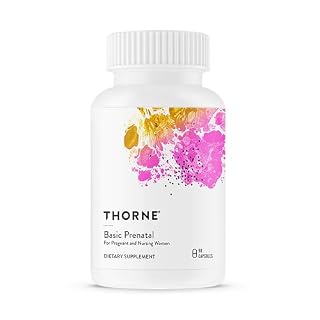
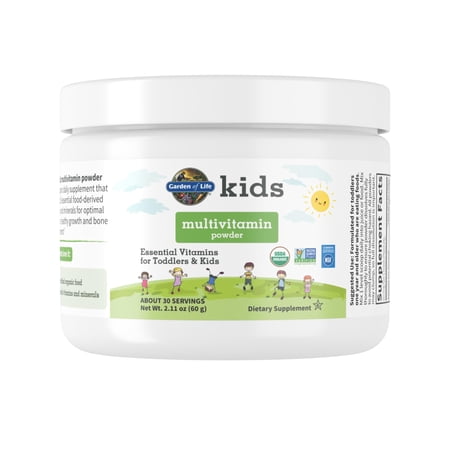
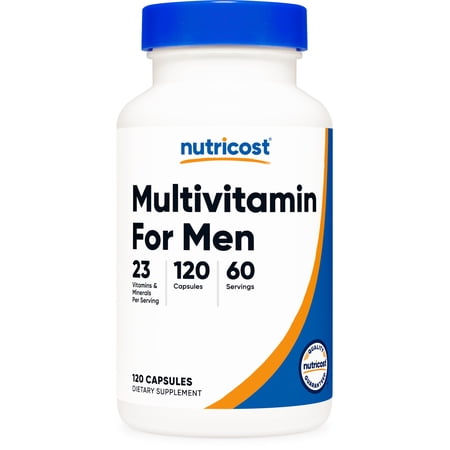
Natures Aid Multi-vitamin Drops For 3+months Infants And 5 Years Children 50ml
Analysis updated September 2026 · How Scout scores
At a glance
Summary
This multi-vitamin supplement for infants and children contains essential vitamins such as Vitamin C, D3, and B-complex, which are beneficial for growth and development. However, the presence of natural flavors and additives like maltodextrin and corn syrup, which are not ideal in a health-focused product, slightly detracts from its overall quality. The formulation is generally good, but the use of vague flavoring agents and some processing elements prevent it from achieving a higher score.
Key ingredients 24
Vitamin CVery Good
Vitamin C is an essential nutrient that supports immune function and acts as an antioxidant. It is crucial for collagen synthesis and overall health. Ascorbic acid is a well-absorbed form of Vitamin C.
Risks
High doses may cause gastrointestinal upset.
Benefits
Supports immune health and acts as a powerful antioxidant.
Sodium AscorbateVery Good
Sodium ascorbate is a form of Vitamin C that is less acidic and easier on the stomach. It provides antioxidant benefits and supports immune health. It is well-absorbed and effective.
Risks
High doses may cause gastrointestinal upset.
Benefits
Supports immune health and acts as an antioxidant.
CholecalciferolVery Good
Cholecalciferol is a form of Vitamin D3 that is crucial for calcium absorption and bone health. It supports immune function and overall health. It is the most effective form of Vitamin D.
Risks
High doses can lead to hypercalcemia and associated health issues.
Benefits
Enhances calcium absorption and supports bone health.
NiacinGood
Niacin, or Vitamin B3, is important for energy metabolism and maintaining healthy skin. It is a water-soluble vitamin that supports cellular function. Nicotinamide is a form that does not cause flushing.
Risks
High doses may cause liver damage and gastrointestinal issues.
Benefits
Supports energy metabolism and skin health.
Pantothenic AcidGood
Pantothenic acid, or Vitamin B5, is essential for synthesizing coenzyme A, crucial for fatty acid metabolism. It supports energy production and overall health. Calcium pantothenate is a stable form used in supplements.
Benefits
Supports energy metabolism and fatty acid synthesis.
Vitamin A AcetateGood
Vitamin A is vital for vision, immune function, and skin health. Vitamin A acetate is a stable form used in supplements. It is essential for growth and development in children.
Risks
Excessive intake can lead to toxicity, particularly in children.
Benefits
Supports vision, immune function, and skin health.
Vitamin D3Good
Vitamin D3 is crucial for calcium absorption and bone health. It supports immune function and overall health. Cholecalciferol is the most effective form of Vitamin D.
Risks
High doses can lead to hypercalcemia and associated health issues.
Benefits
Enhances calcium absorption and supports bone health.
ThiaminGood
Thiamin, or Vitamin B1, is essential for carbohydrate metabolism and nerve function. It supports energy production and overall health. Thiamin hydrochloride is a common form used in supplements.
Benefits
Supports energy metabolism and nerve function.
Vitamin B6Good
Vitamin B6 is important for protein metabolism and cognitive development. It supports immune function and neurotransmitter synthesis. Pyridoxine hydrochloride is a stable form used in supplements.
Risks
High doses may cause nerve damage.
Benefits
Supports protein metabolism and cognitive development.
RiboflavinGood
Riboflavin, or Vitamin B2, is essential for energy production and cellular function. It acts as an antioxidant and supports overall health. It is a water-soluble vitamin that is well-absorbed.
Benefits
Supports energy production and acts as an antioxidant.
Vitamin B12Good
Vitamin B12 is crucial for red blood cell formation and neurological function. It supports DNA synthesis and overall health. Cyanocobalamin is a common form used in supplements.
Benefits
Supports red blood cell formation and neurological function.
D-Alpha TocopherolGood
D-Alpha tocopherol is a natural form of Vitamin E that acts as an antioxidant. It supports immune function and skin health. It is well-absorbed and effective in protecting cells from oxidative damage.
Risks
High doses may interfere with blood clotting.
Benefits
Acts as an antioxidant and supports immune function.
Purified WaterNeutral
Purified water is used as a solvent and carrier for other ingredients. It is processed to remove impurities and contaminants. It does not provide nutritional benefits but is essential for the formulation.
See more about Purified Water →GlycerineNeutral
Glycerine is used as a sweetener and humectant in supplements. It is generally recognized as safe and helps maintain moisture. It does not have significant nutritional value.
Risks
Excessive consumption may cause digestive discomfort.
PreservativeNeutral
Potassium sorbate is used to prevent microbial growth and extend shelf life. It is generally recognized as safe in small amounts. It does not provide nutritional benefits.
Risks
May cause allergic reactions in sensitive individuals.
Benefits
Helps maintain product safety and stability.
Gum ArabicNeutral
Gum arabic is used as a stabilizer and thickener in supplements. It is derived from the sap of acacia trees and is generally recognized as safe. It does not provide significant nutritional benefits.
Risks
May cause digestive discomfort in large amounts.
SucroseNeutral
Sucrose is a common sugar used to enhance flavor. It is a disaccharide composed of glucose and fructose. While it provides energy, excessive consumption can lead to health issues.
Risks
Excessive intake can contribute to obesity and dental cavities.
Benefits
Provides energy.
Vegetable OilNeutral
Vegetable oil is used as a carrier for fat-soluble vitamins. The specific type of oil is not disclosed, which can be a concern for some consumers. It provides essential fatty acids but may vary in quality.
Risks
Potential for high omega-6 content if derived from seed oils.
Benefits
Provides essential fatty acids.
Silicon DioxideNeutral
Silicon dioxide is used as an anti-caking agent to prevent clumping. It is generally recognized as safe and does not provide nutritional benefits. It is inert and does not react with other ingredients.
See more about Silicon Dioxide →Acacia GumNeutral
Acacia gum is used as a stabilizer and thickener in supplements. It is derived from the sap of acacia trees and is generally recognized as safe. It does not provide significant nutritional benefits.
Risks
May cause digestive discomfort in large amounts.
Fractionated Coconut OilNeutral
Fractionated coconut oil is used as a carrier oil for fat-soluble vitamins. It is processed to remove long-chain fatty acids, making it liquid at room temperature. It provides medium-chain triglycerides but lacks significant nutritional value.
Benefits
Provides medium-chain triglycerides.
Orange FlavourBad
Natural flavors are often used to enhance taste but can be vague in terms of composition. They may contain a variety of compounds derived from natural sources. The lack of transparency can be a concern for some consumers.
Risks
Potential allergens or sensitivities due to undisclosed components.
Benefits
Improves palatability of the product.
MaltodextrinBad
Processed additive flagged under Scout's ingredient doctrine.
Risks
May cause blood sugar spikes in sensitive individuals.
Benefits
Provides quick energy.
Corn SyrupBad
Refined sugar syrup.
Risks
Excessive intake can contribute to obesity and insulin resistance.
Benefits
Provides energy.
Processing
Ultra-Processed Foods
Get the full breakdown in the Scout appTake Scout shopping
Scan any product to see lab results, healthy alternatives, and your personalized analysis.
Download on theApp Store GET IT ONGoogle Play