
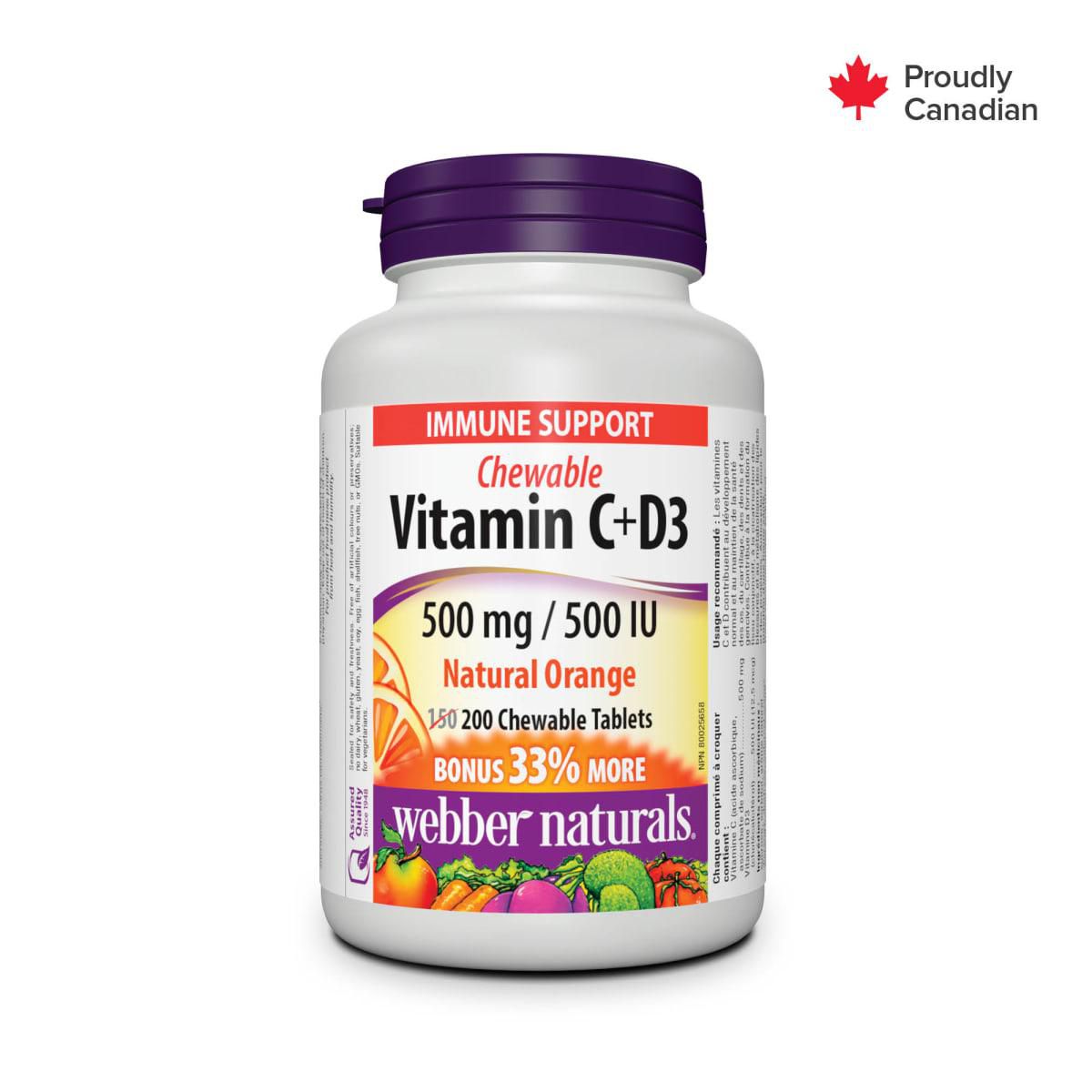

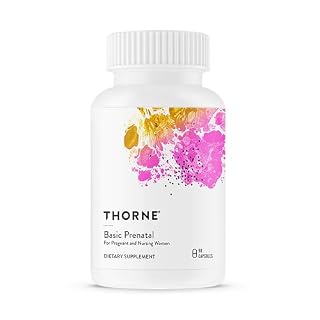
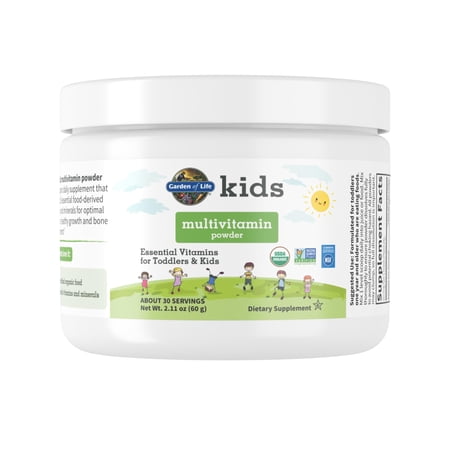
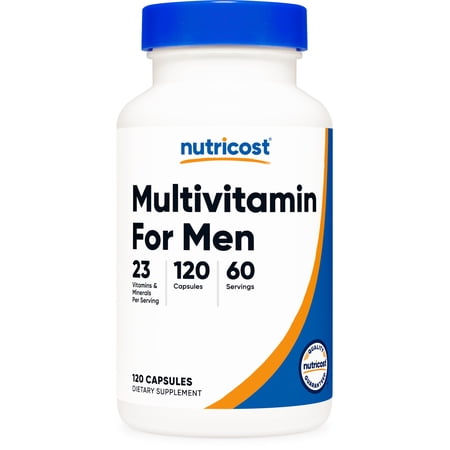
Webber Naturals Vitamin C+D3, 500 Mg/500 Iu
Analysis updated September 2026 · How Scout scores
At a glance
Summary
This supplement contains beneficial ingredients such as Vitamin C, Vitamin D3, and citrus bioflavonoids, which support immune function and bone health. However, the presence of sucralose, an artificial sweetener, and natural orange flavor, which can be heavily processed, detracts from its overall healthfulness. The formulation includes several additives, which moderately impact the product's quality.
Key ingredients 15
Vitamin CVery Good
Vitamin C is a powerful antioxidant that supports immune function and skin health. It is essential for the synthesis of collagen and the absorption of iron. As a water-soluble vitamin, it needs to be consumed regularly in the diet.
Benefits
Supports immune function, collagen synthesis, and acts as an antioxidant.
Sodium AscorbateVery Good
Sodium ascorbate is a buffered form of Vitamin C that is less acidic and gentler on the stomach. It provides the same benefits as ascorbic acid with added sodium. This form is often preferred for those with sensitive stomachs.
Risks
Excessive intake may lead to gastrointestinal discomfort.
Benefits
Gentle on the stomach and provides antioxidant benefits.
CholecalciferolVery Good
Cholecalciferol is the natural form of Vitamin D3, which is vital for maintaining healthy bones and teeth. It is synthesized in the skin upon exposure to sunlight. It is more effective than Vitamin D2 in raising Vitamin D levels in the blood.
Benefits
Supports bone health and immune function.
Ascorbic AcidGood
Ascorbic acid is a form of Vitamin C that is used to prevent and treat scurvy. It is a potent antioxidant that helps protect cells from damage. It is commonly used in supplements for its stability and effectiveness.
Benefits
Provides antioxidant protection and supports immune health.
Vitamin D3Good
Vitamin D3 is crucial for calcium absorption and bone health. It supports immune function and has been linked to mood regulation. It is the most effective form of Vitamin D for raising blood levels.
Benefits
Enhances calcium absorption and supports bone and immune health.
TurmericGood
Turmeric is a spice known for its anti-inflammatory and antioxidant properties. It contains curcumin, which has been studied for its potential health benefits. It is used both as a colorant and for its health-promoting properties.
Benefits
Offers anti-inflammatory and antioxidant benefits.
Citrus BioflavonoidsGood
Citrus bioflavonoids are compounds found in citrus fruits that have antioxidant properties. They support the absorption of Vitamin C and may enhance immune function. They are valued for their potential to improve capillary strength and circulation.
Benefits
Enhances antioxidant activity and supports immune health.
SucroseNeutral
Sucrose is a common sugar used as a sweetener in foods and supplements. It provides energy but has no significant nutritional benefits. Excessive consumption can lead to health issues like obesity and dental cavities.
Risks
Excessive intake can contribute to obesity and dental cavities.
Benefits
Provides a source of quick energy.
SorbitolNeutral
Sorbitol is a sugar alcohol used as a sweetener and humectant in food products. It is lower in calories than sugar and has a lower glycemic index. It can cause digestive issues if consumed in large amounts.
Risks
May cause digestive discomfort or laxative effects in large quantities.
Benefits
Provides sweetness with fewer calories than sugar.
Natural Orange ColourNeutral
Natural orange colour is used to enhance the visual appeal of products. It is typically derived from natural sources like fruits or vegetables. It does not contribute to the nutritional value of the product.
Benefits
Enhances the visual appeal of the product.
AnnattoNeutral
Annatto is a natural food coloring derived from the seeds of the achiote tree. It is used to impart a yellow to orange color to foods. While generally safe, it can cause allergic reactions in sensitive individuals.
Risks
May cause allergic reactions in sensitive individuals.
Benefits
Provides natural coloring without synthetic additives.
Vegetable Grade Magnesium StearateNeutral
Magnesium stearate is a common additive used as a flow agent in supplement manufacturing. It ensures consistent quality and prevents ingredients from sticking to equipment. It is generally considered safe in small amounts.
Benefits
Improves manufacturing consistency and product quality.
Natural Orange FlavourBad
Natural orange flavour is used to enhance the taste of products but lacks nutritional value. It is often derived from natural sources but can be heavily processed. The term 'natural' can be misleading as it does not guarantee minimal processing.
Risks
May contain processed compounds that could cause allergic reactions.
Benefits
Improves the palatability of the product.
DextroseBad
Refined added sugar.
Risks
Excessive consumption can lead to blood sugar spikes.
Benefits
Provides a quick source of energy.
SucraloseBad
Sucralose is an artificial sweetener used to provide sweetness without calories. It is much sweeter than sugar and used in small amounts. Concerns exist about its long-term health effects and potential to alter gut microbiota.
Risks
Potential to alter gut microbiota and long-term health effects are not fully understood.
Benefits
Provides sweetness without adding calories.
Processing
Processed Foods
Get the full breakdown in the Scout appTake Scout shopping
Scan any product to see lab results, healthy alternatives, and your personalized analysis.
Download on theApp Store GET IT ONGoogle Play