
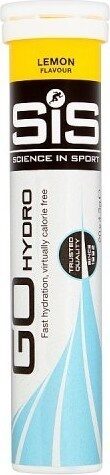


8 Packs Of Science In Sport Go Hydro Lemon 20 Tablet
Analysis updated July 2026 · How Scout scores
At a glance
Summary
This electrolyte supplement contains beneficial ingredients like sodium bicarbonate, potassium chloride, and magnesium carbonate, which support hydration and muscle function. However, the presence of sucralose, an artificial sweetener, and unspecified flavoring detracts from its overall quality. The product is moderately processed with a few additives, which impacts its score compared to cleaner formulations.
Key ingredients 15
Magnesium CarbonateGood
Magnesium carbonate is a source of magnesium, which is essential for muscle and nerve function. It helps prevent muscle cramps and supports energy production. Its inclusion in the product aids in maintaining magnesium levels during exercise.
Risks
Excessive intake can lead to digestive issues such as diarrhea.
Benefits
Supports muscle and nerve function, and helps prevent cramps.
InulinGood
Inulin is a type of soluble fiber that acts as a prebiotic, supporting gut health. It helps promote the growth of beneficial bacteria in the gut. Its inclusion can aid in digestive health and improve nutrient absorption.
Risks
Excessive intake may cause bloating and gas.
Benefits
Supports gut health by promoting beneficial bacteria growth.
RiboflavinGood
Riboflavin, also known as vitamin B2, is essential for energy production and cellular function. It supports the metabolism of fats, drugs, and steroids. Its inclusion in supplements aids in maintaining energy levels and overall health.
Benefits
Supports energy production and cellular function.
B VitaminsGood
B vitamins, including pyridoxine hydrochloride, riboflavin 5-phosphate-sodium, and thiamin hydrochloride, are crucial for energy metabolism and brain function. They help convert food into energy and support nervous system health. Their inclusion in supplements aids in maintaining energy levels and cognitive function.
Benefits
Crucial for energy metabolism and brain function.
Citric AcidNeutral
Citric acid is commonly used as a preservative and flavor enhancer in food products. It is naturally found in citrus fruits and is generally recognized as safe. However, excessive consumption can lead to dental erosion.
Risks
Excessive consumption may lead to dental erosion due to its acidic nature.
Sodium BicarbonateNeutral
Standard formulation ingredient — neither beneficial nor harmful at typical use.
Risks
Excessive intake can lead to alkalosis and electrolyte imbalance.
Benefits
Supports muscle function and helps maintain pH balance during exercise.
Sodium ChlorideNeutral
Standard formulation ingredient — neither beneficial nor harmful at typical use.
Risks
High intake can lead to hypertension and cardiovascular issues.
Benefits
Essential for fluid balance and nerve function, especially during physical activity.
Calcium CarbonateNeutral
Standard formulation ingredient — neither beneficial nor harmful at typical use.
Risks
Excessive consumption can lead to hypercalcemia and kidney stones.
Benefits
Supports bone health and muscle function.
Potassium ChlorideNeutral
Standard formulation ingredient — neither beneficial nor harmful at typical use.
Risks
Excessive intake can cause hyperkalemia, leading to heart issues.
Benefits
Helps regulate fluid balance and supports heart and muscle function.
Tricalcium PhosphateNeutral
Tricalcium phosphate is used as a calcium supplement and food additive. It provides calcium and phosphorus, essential for bone health. However, it is often used as an anti-caking agent in processed foods.
Benefits
Provides calcium and phosphorus, supporting bone health.
SorbitolNeutral
Sorbitol is a sugar alcohol used as a sweetener in many food products. It provides a lower-calorie alternative to sugar and is often used in sugar-free products. However, excessive consumption can cause digestive discomfort.
Risks
May cause digestive discomfort and laxative effects if consumed in large amounts.
Benefits
Provides a lower-calorie alternative to sugar.
Green Tea ExtractNeutral
Green tea extract is derived from green tea leaves and contains antioxidants such as catechins. It is often used for its potential health benefits, including metabolism support. However, its caffeine content may not be suitable for everyone.
Risks
Contains caffeine, which may not be suitable for individuals sensitive to stimulants.
Benefits
Rich in antioxidants that may support metabolism and overall health.
FlavouringBad
Flavouring is a catch-all term that can include a variety of artificial and natural additives. It lacks transparency and can include undesirable synthetic chemicals. The use of unspecified flavouring is often criticized for potential health concerns.
Risks
Potential inclusion of synthetic chemicals and allergens.
SucraloseBad
Sucralose is an artificial sweetener used to provide sweetness without calories. It is controversial due to potential negative effects on gut health and insulin response. Its use in supplements is often criticized for being an artificial additive.
Risks
May negatively affect gut health and insulin response.
Benefits
Provides sweetness without adding calories.
MaltodextrinBad
Processed additive flagged under Scout's ingredient doctrine.
Risks
High glycemic index may affect blood sugar levels.
Benefits
Provides quick energy during physical activity.
Processing
Ultra-Processed Foods
Get the full breakdown in the Scout appTake Scout shopping
Scan any product to see lab results, healthy alternatives, and your personalized analysis.
Download on theApp Store GET IT ONGoogle PlayAmazon pricing & content
Amazon price as of . Product prices and availability are accurate as of the date/time indicated and are subject to change. Any price and availability information displayed on Amazon.com at the time of purchase will apply to the purchase of this product.
CERTAIN CONTENT THAT APPEARS ON THIS SITE COMES FROM AMAZON. THIS CONTENT IS PROVIDED “AS IS” AND IS SUBJECT TO CHANGE OR REMOVAL AT ANY TIME.