


At a glance
Summary
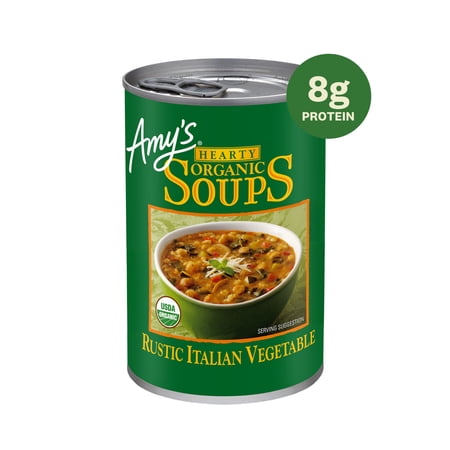
This rustic vegetable soup contains a variety of nutrient-rich vegetables such as kale, onion, and cabbage, which contribute positively to its nutritional profile. However, the presence of rapeseed oil, a seed oil that can promote inflammation and is processed with high heat and chemicals, significantly impacts the healthiness of the product. Additionally, the soup is moderately processed, which limits its potential score despite the inclusion of beneficial ingredients.
Key ingredients 21
KaleVery Good
Kale is a nutrient-dense leafy green vegetable rich in vitamins A, C, and K. It contains antioxidants and fiber, supporting overall health. Its nutrient profile makes it a valuable addition to a balanced diet.
Benefits
Rich in antioxidants and vitamins, supporting immune function and bone health.
OnionGood
Onions are a good source of vitamins and antioxidants, particularly quercetin. They have anti-inflammatory properties and can enhance flavor without added calories. Their sulfur compounds may support heart health.
Risks
May cause digestive discomfort in some individuals.
Benefits
Provides antioxidants and supports heart health through anti-inflammatory properties.
SwedeGood
Swede, also known as rutabaga, is a root vegetable rich in fiber and vitamin C. It supports digestive health and immune function. Its low-calorie content makes it a healthy carbohydrate source.
Benefits
Supports digestive health and provides vitamin C for immune support.
CabbageGood
Cabbage is a cruciferous vegetable high in vitamins C and K, and fiber. It has antioxidant properties and may support digestive health. Its low-calorie content makes it a healthy addition to meals.
Risks
May cause bloating or gas in some individuals.
Benefits
Rich in vitamins and antioxidants, supporting immune and digestive health.
CarrotGood
Carrots are a good source of beta-carotene, fiber, and antioxidants. They support eye health and provide essential nutrients. Their natural sweetness can enhance the flavor of dishes.
Benefits
Supports eye health and provides antioxidants and fiber.
CeleryGood
Celery is a low-calorie vegetable high in water content and fiber. It supports hydration and digestive health. Its natural sodium content can enhance flavor without excessive salt.
Risks
May cause allergic reactions in sensitive individuals.
Benefits
Supports hydration and provides fiber for digestive health.
LeekGood
Leeks are a member of the allium family, rich in vitamins A, C, and K. They have antioxidant properties and support heart health. Their mild flavor can enhance soups and stews.
Benefits
Provides vitamins and antioxidants, supporting heart health.
CeleriacGood
Celeriac, or celery root, is a root vegetable high in fiber and vitamin C. It supports digestive health and immune function. Its unique flavor can enhance a variety of dishes.
Risks
May cause allergic reactions in individuals sensitive to celery.
Benefits
Supports digestive health and provides vitamin C for immune support.
TomatoGood
Tomatoes are rich in vitamins C and K, potassium, and the antioxidant lycopene. They support heart health and have anti-inflammatory properties. Their natural acidity can enhance flavor in dishes.
Benefits
Rich in antioxidants and vitamins, supporting heart health and reducing inflammation.
Dark speckled lentilsGood
Lentils are a good source of plant-based protein, fiber, and essential nutrients. They support digestive health and provide sustained energy. Their low glycemic index makes them suitable for blood sugar management.
Risks
May cause digestive discomfort in some individuals due to fiber content.
Benefits
Rich in protein and fiber, supporting digestive health and providing sustained energy.
Red quinoaGood
Red quinoa is a whole grain rich in protein, fiber, and essential amino acids. It supports digestive health and provides sustained energy. Its nutrient profile makes it a valuable addition to a balanced diet.
Benefits
Provides complete protein and fiber, supporting digestive health and energy levels.
Fresh Yorkshire parsleyGood
Parsley is a fresh herb rich in vitamins A, C, and K, and antioxidants. It supports immune function and bone health. Its fresh flavor can enhance a variety of dishes.
Benefits
Rich in vitamins and antioxidants, supporting immune and bone health.
ThymeGood
Thyme is a herb with antioxidant and antimicrobial properties. It supports immune health and can enhance flavor in dishes. Its essential oils may provide additional health benefits.
Benefits
Provides antioxidants and supports immune health.
Garlic puréeGood
Garlic purée provides concentrated garlic flavor and nutrients. It has antioxidant and anti-inflammatory properties. Its allicin content may support heart health.
Risks
May cause digestive discomfort in some individuals.
Benefits
Rich in antioxidants and supports heart health.
Black pepperGood
Black pepper is a spice with antioxidant properties and may enhance nutrient absorption. It supports digestive health and adds flavor to dishes. Its piperine content may enhance the bioavailability of other nutrients.
Benefits
Enhances nutrient absorption and provides antioxidants.
Chilli powderGood
Chilli powder is a spice rich in capsaicin, which has anti-inflammatory and metabolism-boosting properties. It adds heat and flavor to dishes. Its antioxidant content supports overall health.
Risks
May cause digestive discomfort in sensitive individuals.
Benefits
Provides antioxidants and may boost metabolism.
WaterNeutral
Water is a neutral ingredient used as a base for soups and other liquid foods. It provides no nutritional value but is essential for hydration. It acts as a solvent for other ingredients.
See more about Water →Concentrated tomato juiceNeutral
Concentrated tomato juice provides a concentrated source of tomato flavor and nutrients. It retains some vitamins and antioxidants from fresh tomatoes. Its processing may reduce some nutrient content.
Benefits
Provides concentrated tomato flavor and some antioxidants.
Tomato pasteNeutral
Tomato paste is a concentrated form of tomatoes, providing a rich source of flavor. It retains some nutrients like lycopene and vitamin C. Its processing may reduce some nutrient content.
Benefits
Provides concentrated flavor and some antioxidants like lycopene.
Vegetable bouillonNeutral
Vegetable bouillon adds flavor and some nutrients from dried vegetables and spices. It may contain added salt and starches. Its processing may reduce some nutrient content.
Risks
May contain high sodium levels, which can affect blood pressure.
Benefits
Enhances flavor and provides some nutrients from vegetables and spices.
Rapeseed oilVery Bad
Rapeseed oil is a seed oil high in omega-6 fatty acids, which can promote inflammation. Its processing involves high heat and chemicals, which may degrade nutrients. It is not recommended due to potential health concerns.
Risks
High omega-6 content may promote inflammation when consumed in excess.
Processing
Processed Foods
Get the full breakdown in the Scout appTake Scout shopping
Scan any product to see lab results, healthy alternatives, and your personalized analysis.
Download on theApp Store GET IT ONGoogle Play