



At a glance
Summary
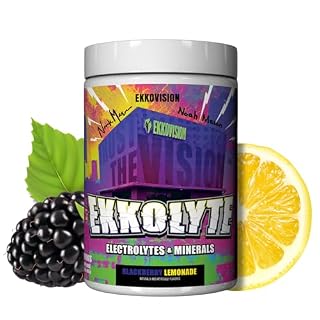
This electrolyte supplement contains beneficial ingredients like potassium citrate, which supports electrolyte balance and muscle function. However, the presence of sucralose, an artificial sweetener, raises concerns due to its potential impact on gut health. Additionally, the use of 'natural flavor' lacks transparency, which can be problematic for consumers seeking clarity on ingredient sources.
Key ingredients 9
Potassium CitrateGood
Potassium citrate is used to regulate acidity and provide potassium, an essential mineral for maintaining electrolyte balance. It is beneficial for heart health and muscle function. It can help prevent kidney stones by alkalizing urine.
Risks
High doses may cause gastrointestinal discomfort.
Benefits
Provides essential potassium, supporting cardiovascular health and muscle function.
Sea SaltGood
Beneficial ingredient — whole-food or functional value in this product class.
Risks
Excessive sodium intake can lead to hypertension and cardiovascular issues.
Benefits
Provides essential sodium for maintaining fluid balance and nerve function.
Citric AcidNeutral
Citric acid is a natural preservative and flavor enhancer commonly used in food and beverages. It is generally recognized as safe and has no significant health concerns when consumed in typical amounts. It can enhance the absorption of minerals like calcium.
Risks
Excessive consumption may cause tooth enamel erosion.
Silicon DioxideNeutral
Silicon dioxide is used as an anti-caking agent to prevent clumping in powdered products. It is generally recognized as safe and is inert in the body. It does not contribute any nutritional value.
See more about Silicon Dioxide →Calcium SilicateNeutral
Calcium silicate is used as an anti-caking agent and is generally recognized as safe. It helps maintain the free-flowing nature of powdered products. It does not provide significant nutritional benefits.
See more about Calcium Silicate →Malic AcidNeutral
Malic acid is a naturally occurring acid used to enhance flavor and acidity in foods. It is generally recognized as safe and is found in many fruits. It can improve the sourness and tartness of products.
Risks
Excessive consumption may cause digestive discomfort.
Vegetable Juice PowderNeutral
Vegetable juice powder is used for natural coloring and may provide some phytonutrients. It is a cleaner alternative to artificial dyes. However, the nutritional content is minimal due to processing.
Benefits
May provide minimal phytonutrients and is a natural coloring agent.
Natural FlavorBad
Natural flavors are often used to enhance taste but can be a catch-all term for a variety of substances. The lack of transparency in what constitutes 'natural flavor' can be concerning for consumers. They may contain solvents and preservatives not disclosed on labels.
Risks
Potential allergens and undisclosed additives may pose health risks.
SucraloseBad
Sucralose is an artificial sweetener used to provide sweetness without calories. It is controversial due to potential impacts on gut health and insulin response. It is much sweeter than sugar, allowing for lower usage but may alter gut microbiota.
Risks
Potential impacts on gut health and insulin sensitivity with excessive use.
Benefits
Provides sweetness without adding calories, beneficial for calorie-restricted diets.
Processing
Processed Foods
Get the full breakdown in the Scout appTake Scout shopping
Scan any product to see lab results, healthy alternatives, and your personalized analysis.
Download on theApp Store GET IT ONGoogle Play