
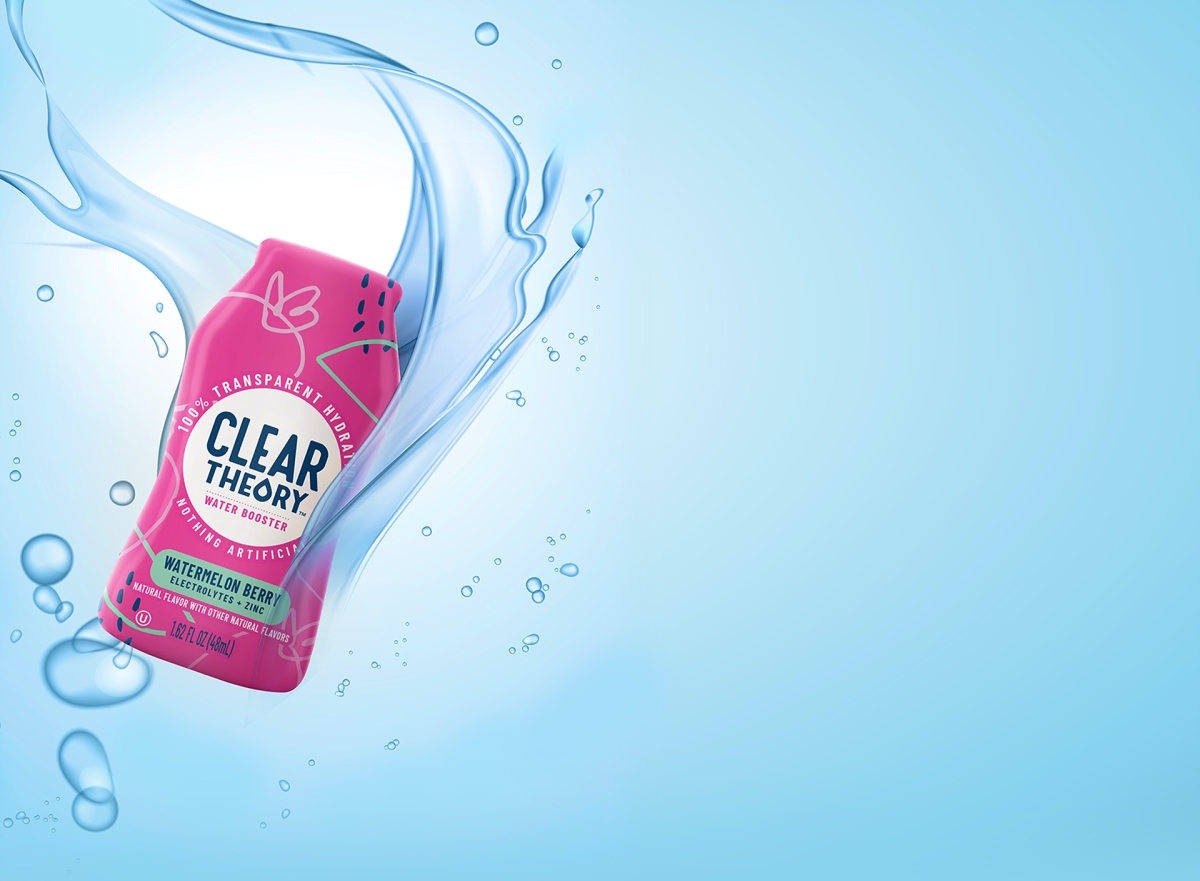
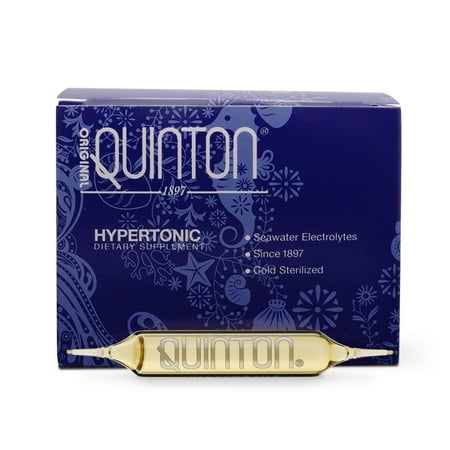


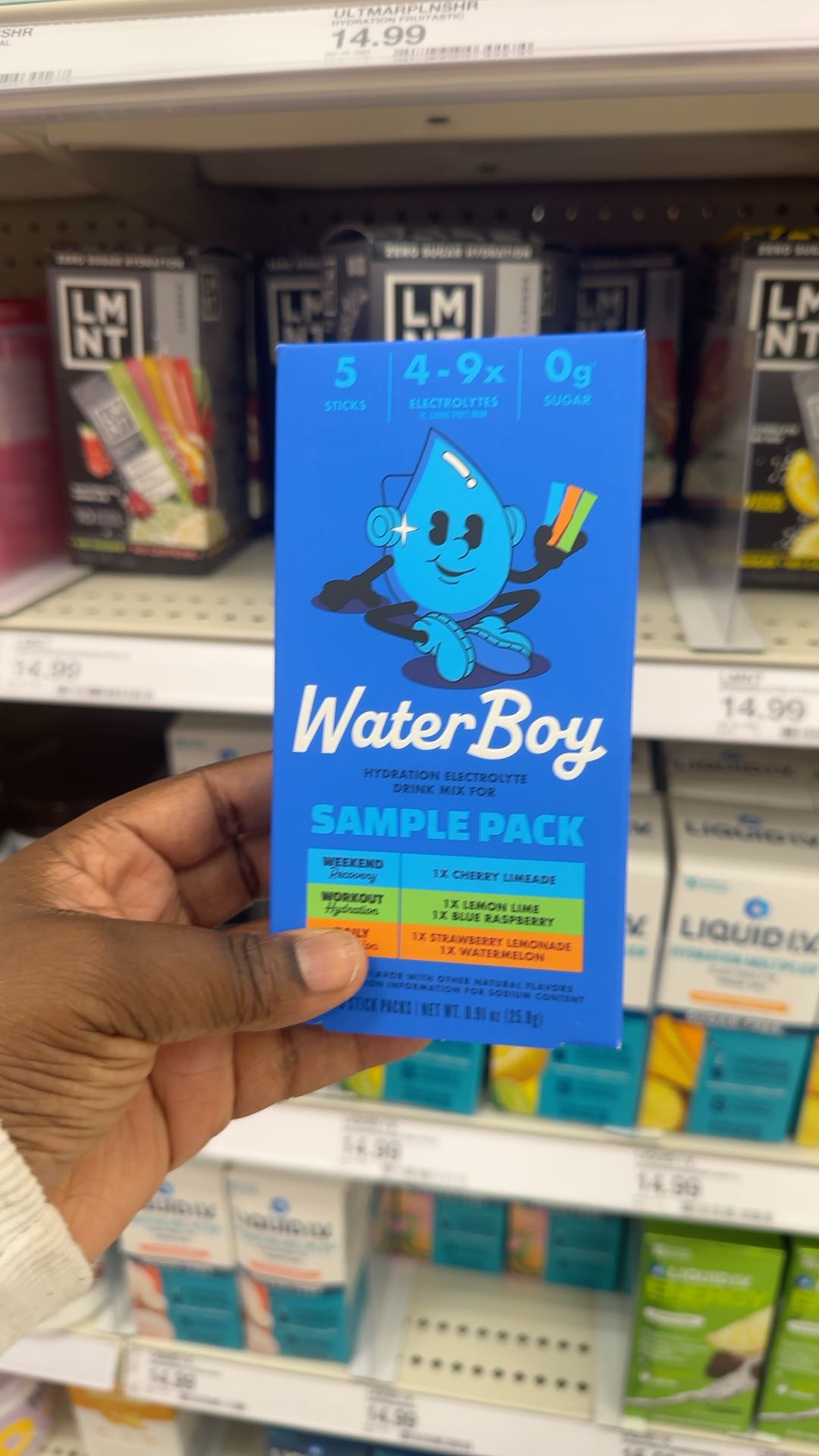
KHCH00406089 1.62 fl oz Fruit Punch Water Enhancer
Analysis updated September 2026 · How Scout scores
At a glance
Summary
This fruit punch water enhancer contains beneficial ingredients like potassium citrate, which supports electrolyte balance. However, it also includes dextrose, a simple sugar that can lead to blood sugar spikes, and natural flavors, which lack transparency. The presence of these ingredients, along with moderate processing, affects the overall healthiness of the product.
Key ingredients 11
Potassium CitrateGood
Potassium citrate is a potassium salt used to regulate acidity and provide potassium. It is beneficial for maintaining electrolyte balance and supporting heart health. It is a valuable ingredient in electrolyte supplements.
Risks
Excessive intake may lead to hyperkalemia, especially in individuals with kidney issues.
Benefits
Supports electrolyte balance and heart health.
GlycerinNeutral
Glycerin is a sugar alcohol used as a sweetener and humectant. It is generally recognized as safe and has a low glycemic index. However, it provides no significant nutritional benefits.
Risks
Excessive consumption may cause digestive discomfort.
WaterNeutral
Water is a fundamental ingredient used as a solvent and carrier in many products. It is essential for hydration and does not pose any health risks in this context. It is a neutral component with no direct nutritional impact.
Benefits
Essential for hydration and acts as a solvent for other ingredients.
Citric AcidNeutral
Citric acid is a natural acidulant used to enhance flavor and preserve freshness. It is commonly found in citrus fruits and is generally safe for consumption. It does not provide significant nutritional benefits.
Risks
May cause dental erosion if consumed in excess.
Benefits
Helps preserve freshness and enhance flavor.
Gum ArabicNeutral
Gum arabic is a natural gum used as a stabilizer and thickener. It is derived from the sap of acacia trees and is generally considered safe. It does not provide significant nutritional benefits.
Benefits
May aid in stabilizing and thickening formulations.
Stevia Leaf ExtractNeutral
Stevia leaf extract is a natural sweetener derived from the stevia plant. It is calorie-free and does not affect blood sugar levels. It is a neutral ingredient with no significant health concerns.
Benefits
Provides sweetness without calories or affecting blood sugar levels.
Sodium CitrateNeutral
Sodium citrate is used as an acidity regulator and emulsifier. It is generally recognized as safe and helps maintain the stability of the product. It does not provide significant nutritional benefits.
Benefits
Helps regulate acidity and stabilize formulations.
SaltNeutral
Salt is used to enhance flavor and provide sodium, an essential electrolyte. While necessary in small amounts, excessive intake can lead to health issues. It is a neutral component in this context.
Risks
Excessive consumption may lead to hypertension and cardiovascular issues.
Benefits
Provides sodium, an essential electrolyte for bodily functions.
Zinc GluconateNeutral
Zinc gluconate is a zinc supplement used to support immune function. It is generally safe and beneficial in appropriate amounts. However, it does not provide significant benefits in this formulation.
Risks
Excessive intake may lead to zinc toxicity.
Benefits
Supports immune function and overall health.
DextroseBad
Dextrose is a simple sugar used as a sweetener. It has a high glycemic index and can contribute to blood sugar spikes. It is often used in processed foods and offers no nutritional benefits.
Risks
High glycemic index may lead to blood sugar spikes and contribute to insulin resistance.
Natural FlavorBad
Natural flavor is a catch-all term for flavoring agents derived from natural sources. It lacks transparency and can include a wide range of substances. It is often criticized for its lack of specificity and potential for undisclosed additives.
Risks
Lack of transparency may hide potential allergens or additives.
Processing
Processed Foods
Get the full breakdown in the Scout appTake Scout shopping
Scan any product to see lab results, healthy alternatives, and your personalized analysis.
Download on theApp Store GET IT ONGoogle Play