



At a glance
Summary
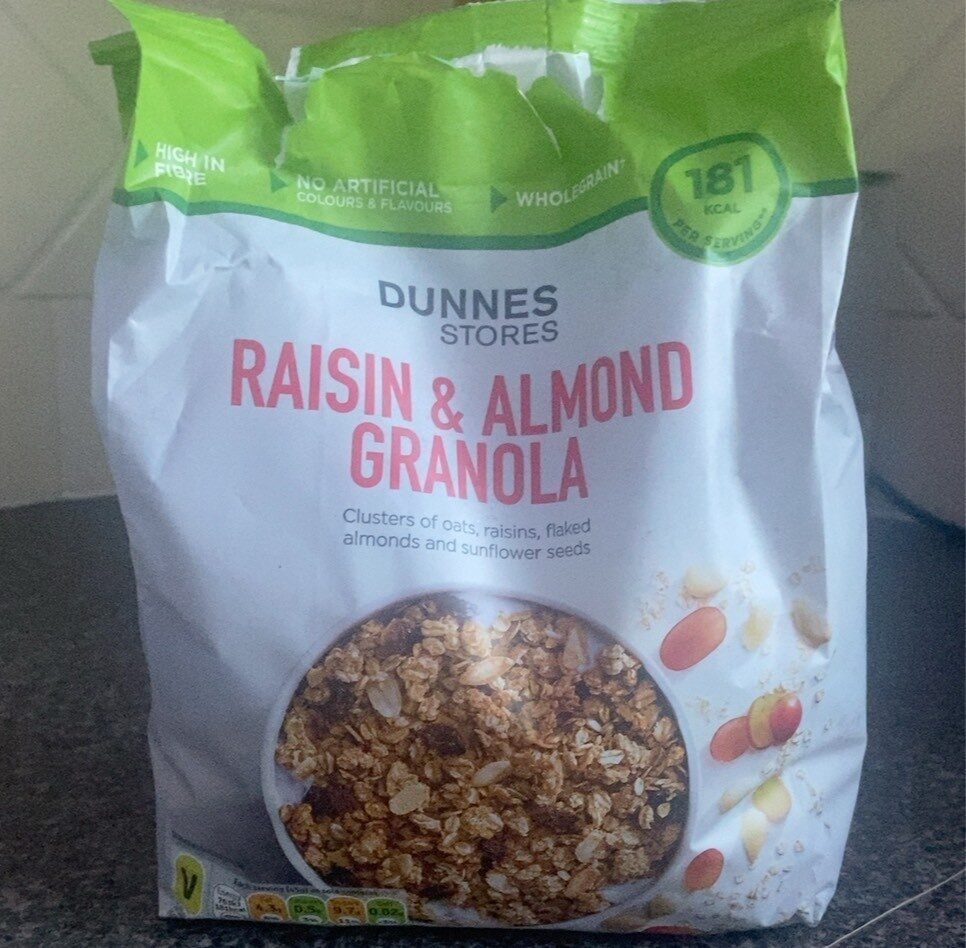
This granola contains beneficial ingredients like whole rolled oats, whole rolled wheat, raisins, and almonds, which provide fiber, vitamins, and healthy fats. However, the presence of refined cane sugar and the use of brown rice syrup contribute to added sugars, which can impact health negatively if consumed in excess. The product is moderately processed, which limits its score despite the presence of some nutritious components.
Key ingredients 9
Whole Rolled OatsGood
Whole rolled oats are a minimally processed whole grain that provide essential nutrients and fiber. They are known for their ability to support heart health and stabilize blood sugar levels. The presence of beta-glucans in oats contributes to their cholesterol-lowering effects.
Benefits
Rich in dietary fiber and beta-glucans, which support heart health and help regulate blood sugar levels.
Whole Rolled WheatGood
Whole rolled wheat is a whole grain that provides dietary fiber, vitamins, and minerals. It supports digestive health and can help maintain a healthy weight. The fiber content aids in satiety and promotes regular bowel movements.
Risks
May cause allergic reactions in individuals with wheat allergies or gluten intolerance.
Benefits
Provides essential nutrients and dietary fiber that support digestive health and satiety.
RaisinsGood
Raisins are dried grapes that offer natural sweetness along with fiber, vitamins, and minerals. They are a source of antioxidants and can contribute to improved digestive health. Their natural sugars provide a quick energy boost.
Risks
High natural sugar content may contribute to dental issues if consumed in excess.
Benefits
Rich in antioxidants and fiber, supporting digestive health and providing a natural energy source.
AlmondsGood
Almonds are a nutrient-dense nut that provides healthy fats, protein, and fiber. They are rich in vitamin E and magnesium, supporting heart health and reducing inflammation. Regular consumption of almonds is associated with improved lipid profiles and reduced risk of heart disease.
Risks
May cause allergic reactions in individuals with nut allergies.
Benefits
Rich in healthy fats, protein, and vitamin E, supporting heart health and reducing inflammation.
Rice FlourNeutral
Rice flour is a gluten-free flour alternative that is often used in baking and cooking. It provides carbohydrates but lacks significant amounts of protein and fiber. It is suitable for those with gluten intolerance or celiac disease.
Benefits
Provides a gluten-free alternative for baking and cooking.
CornstarchNeutral
Cornstarch is a refined carbohydrate used as a thickening agent in various recipes. It is highly processed and lacks significant nutritional value. It is primarily used for its functional properties in food preparation.
See more about Cornstarch →Brown Rice SyrupNeutral
Brown rice syrup is a sweetener derived from brown rice, often used as an alternative to refined sugars. It has a lower glycemic index compared to some other sweeteners. However, it is still a source of added sugars and should be consumed in moderation.
Risks
Excessive consumption can contribute to increased calorie intake and potential blood sugar spikes.
Benefits
Provides a lower glycemic index alternative to some other sweeteners.
MolassesNeutral
Molasses is a byproduct of sugar refining that contains some vitamins and minerals. It provides a rich flavor and can contribute small amounts of nutrients like iron and calcium. Despite its nutrient content, it is still a form of sugar and should be consumed in moderation.
Risks
High sugar content may contribute to health issues if consumed in excess.
Benefits
Contains small amounts of vitamins and minerals, such as iron and calcium.
Cane SugarBad
Cane sugar is a refined sugar that can contribute to increased calorie intake without providing essential nutrients. Excessive consumption of refined sugars is linked to various health issues, including obesity and metabolic syndrome. It is important to consume in moderation to avoid negative health impacts.
Risks
High intake of refined sugars can lead to obesity, insulin resistance, and other metabolic disorders.
Processing
Processed Foods
Get the full breakdown in the Scout appTake Scout shopping
Scan any product to see lab results, healthy alternatives, and your personalized analysis.
Download on theApp Store GET IT ONGoogle Play