
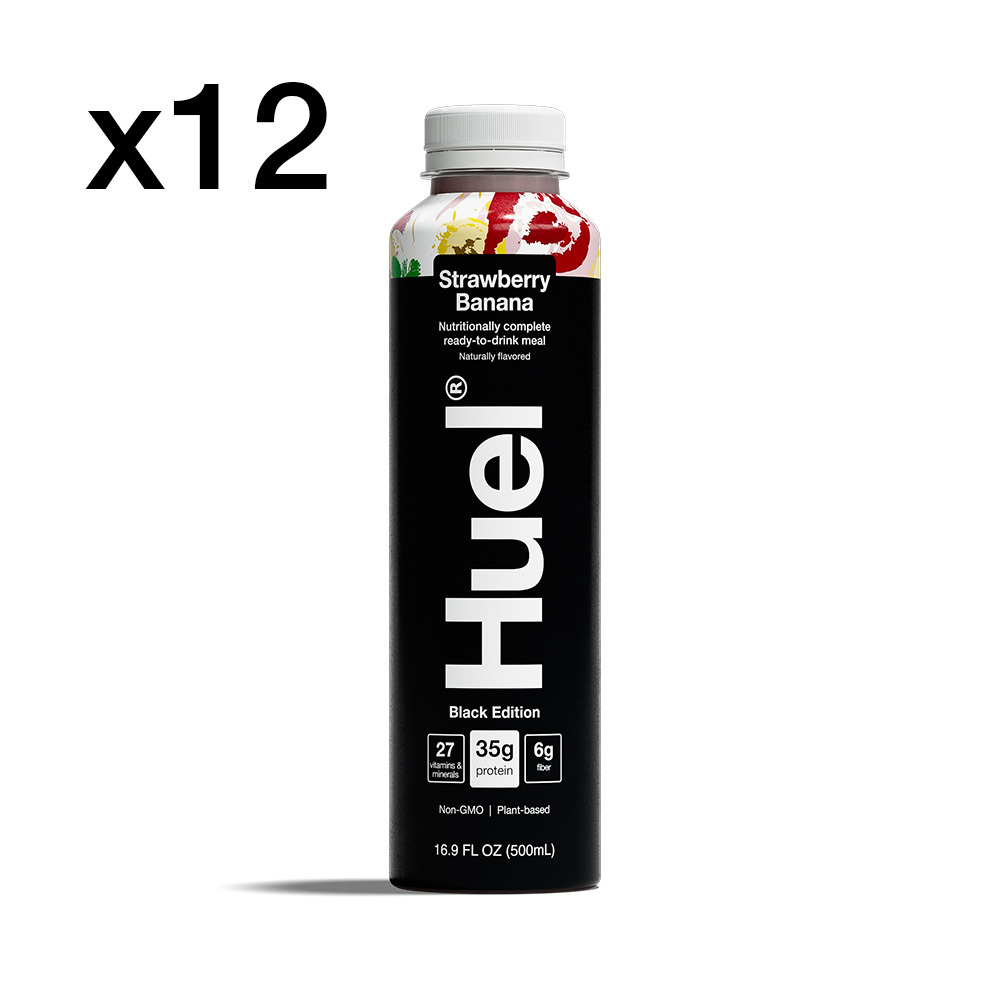
Huel Strawberry Banana
At a glance
Summary
This product contains beneficial ingredients such as coconut oil, flaxseed, and a micronutrient blend, which contribute to its nutritional value. However, it is classified as ultra-processed due to the presence of natural plant-based flavors and a variety of additives, which limits its score. The processing level and lack of transparency in some ingredients prevent it from achieving a higher health rating.
Key ingredients 34
Coconut OilGood
Coconut oil is a source of medium-chain triglycerides (MCTs) which are easily digestible fats. It is known for its potential to support metabolism and energy levels. Cold-pressed coconut oil retains beneficial compounds.
Risks
High in saturated fats, which may impact heart health if consumed in excess.
Benefits
Contains MCTs that may support metabolism and provide quick energy.
FlaxseedGood
Flaxseed is rich in omega-3 fatty acids and fiber, supporting heart health and digestion. It is a whole food ingredient with minimal processing. Its lignans may also provide antioxidant benefits.
Risks
May cause digestive issues if consumed in large amounts.
Benefits
Rich in omega-3 fatty acids and fiber, supporting heart health and digestion.
Fiber (Chicory Root)Good
Chicory root fiber is a prebiotic that supports gut health by promoting beneficial bacteria. It is a natural source of inulin, a type of soluble fiber. It can help improve digestive health and regularity.
Risks
Excessive intake may cause bloating or gas.
Benefits
Supports gut health by promoting beneficial bacteria and improving digestive regularity.
Medium-Chain TriglycerideGood
Medium-chain triglycerides (MCTs) are fats that are rapidly absorbed and used for energy. They are known to support metabolism and cognitive function. MCTs are often derived from coconut oil and are beneficial for quick energy.
Risks
Excessive intake may lead to digestive issues.
Benefits
Supports metabolism and provides quick energy.
Tea ExtractGood
Tea extract is rich in antioxidants, particularly catechins, which support heart health and may reduce inflammation. It is a natural ingredient with minimal processing. The antioxidants in tea extract can also support metabolic health.
Risks
May cause caffeine-related side effects if consumed in large amounts.
Benefits
Rich in antioxidants that support heart health and reduce inflammation.
Micronutrient BlendGood
The micronutrient blend provides essential vitamins and minerals that support overall health. It includes nutrients like vitamin C, vitamin D, and zinc, which are important for immune function. This blend helps ensure nutritional adequacy in the diet.
Benefits
Provides essential vitamins and minerals that support overall health and immune function.
CalciumGood
Calcium is an essential mineral important for bone health and muscle function. It is often added to foods to ensure adequate intake. Adequate calcium intake is crucial for preventing osteoporosis.
Risks
Excessive intake may lead to kidney stones or impaired absorption of other minerals.
Benefits
Supports bone health and muscle function.
L-Ascorbic AcidGood
L-ascorbic acid, also known as vitamin C, is an antioxidant that supports immune function and skin health. It is essential for collagen synthesis and wound healing. Vitamin C also enhances iron absorption from plant-based foods.
Benefits
Supports immune function, skin health, and enhances iron absorption.
Choline TartrateGood
Choline tartrate is a source of choline, a nutrient important for brain health and liver function. It supports cognitive function and is involved in neurotransmitter synthesis. Adequate choline intake is essential for overall health.
Benefits
Supports brain health and cognitive function.
Mixed TocopherolsGood
Mixed tocopherols are a form of vitamin E, an antioxidant that protects cells from oxidative damage. They support immune function and skin health. Vitamin E is essential for maintaining healthy skin and eyes.
Benefits
Provides antioxidant protection and supports immune function.
D-Alpha TocopherolGood
D-alpha tocopherol is a natural form of vitamin E, an antioxidant that supports immune function and skin health. It is more bioavailable than synthetic forms of vitamin E. Vitamin E helps protect cells from oxidative stress.
Benefits
Supports immune function and provides antioxidant protection.
Retinyl AcetateGood
Retinyl acetate is a form of vitamin A, essential for vision, immune function, and skin health. It is often added to foods to ensure adequate intake. Vitamin A is crucial for maintaining healthy vision and immune response.
Risks
Excessive intake may lead to hypervitaminosis A, a condition of vitamin A toxicity.
Benefits
Supports vision, immune function, and skin health.
ErgocalciferolGood
Ergocalciferol, also known as vitamin D2, is important for bone health and calcium absorption. It is often added to foods to prevent vitamin D deficiency. Adequate vitamin D levels are crucial for maintaining healthy bones.
Risks
Excessive intake may lead to hypercalcemia, a condition of elevated calcium levels.
Benefits
Supports bone health and calcium absorption.
Calcium D-PantothenateGood
Calcium D-pantothenate is a form of vitamin B5, important for energy metabolism and the synthesis of coenzyme A. It supports adrenal function and the production of red blood cells. Vitamin B5 is essential for converting food into energy.
Benefits
Supports energy metabolism and adrenal function.
D-BiotinGood
D-biotin, also known as vitamin B7, supports hair, skin, and nail health. It is involved in energy metabolism and the synthesis of fatty acids. Biotin is essential for maintaining healthy hair and skin.
Benefits
Supports hair, skin, and nail health.
CopperGood
Copper is an essential trace mineral important for iron metabolism and the formation of red blood cells. It supports immune function and the maintenance of connective tissues. Adequate copper intake is crucial for overall health.
Risks
Excessive intake may lead to copper toxicity, affecting liver and kidney function.
Benefits
Supports iron metabolism and immune function.
Zinc OxideGood
Zinc oxide is a source of zinc, an essential mineral for immune function and wound healing. It is often added to foods to prevent zinc deficiency. Zinc is crucial for maintaining a healthy immune system.
Risks
Excessive intake may interfere with copper absorption and lead to zinc toxicity.
Benefits
Supports immune function and wound healing.
ManganeseGood
Manganese is a trace mineral important for bone health and metabolism. It is involved in the formation of connective tissues and the regulation of blood sugar levels. Adequate manganese intake supports overall health.
Risks
Excessive intake may lead to neurological issues.
Benefits
Supports bone health and metabolism.
IodideGood
Iodide is a form of iodine, an essential mineral for thyroid function and hormone production. It is crucial for maintaining metabolic rate and energy levels. Adequate iodine intake is important for preventing thyroid disorders.
Risks
Excessive intake may lead to thyroid dysfunction.
Benefits
Supports thyroid function and hormone production.
RiboflavinGood
Riboflavin, also known as vitamin B2, is important for energy production and cellular function. It supports the metabolism of fats, drugs, and steroids. Riboflavin is essential for maintaining healthy skin and eyes.
Benefits
Supports energy production and cellular function.
MethylfolateGood
Methylfolate is a bioactive form of folate, important for DNA synthesis and repair. It supports brain health and reduces the risk of neural tube defects during pregnancy. Methylfolate is more bioavailable than synthetic folic acid.
Benefits
Supports DNA synthesis and brain health.
MolybdenumGood
Molybdenum is a trace mineral important for enzyme function and detoxification processes. It supports the metabolism of sulfur-containing amino acids. Adequate molybdenum intake is essential for overall health.
Benefits
Supports enzyme function and detoxification processes.
Faba Bean ProteinNeutral
Faba bean protein is a plant-based protein source that provides essential amino acids. It is less bioavailable compared to animal-based proteins. However, it is a good alternative for those following a plant-based diet.
Risks
May cause digestive discomfort in some individuals due to its fiber content.
Benefits
Provides a plant-based source of protein and essential amino acids.
StarchNeutral
Starch is a carbohydrate that provides energy. It is commonly used as a thickening agent in food products. It is generally considered neutral in terms of health impact.
Risks
Excessive consumption may contribute to blood sugar spikes.
Benefits
Provides a source of energy.
Coconut SugarNeutral
Coconut sugar is a natural sweetener with a lower glycemic index than regular sugar. It is minimally processed and retains some nutrients from the coconut palm. However, it is still a form of sugar and should be consumed in moderation.
Risks
Can contribute to increased blood sugar levels if consumed in excess.
Benefits
Provides a natural sweetener option with a lower glycemic index.
Plant-Based SweetenerNeutral
Plant-based sweeteners are used to reduce sugar content while maintaining sweetness. They are often derived from natural sources like stevia or monk fruit. These sweeteners are generally considered safe but should be consumed in moderation.
Risks
May cause digestive discomfort in some individuals.
Benefits
Reduces sugar content while maintaining sweetness.
Gellan GumNeutral
Gellan gum is a gelling agent used to stabilize and thicken food products. It is derived from bacterial fermentation and is generally considered safe. It is used in small amounts and does not significantly impact health.
Risks
May cause digestive discomfort if consumed in large quantities.
Benefits
Stabilizes and thickens food products without significant health impact.
Potassium ChlorideNeutral
Potassium chloride is used as a salt substitute to provide potassium, an essential mineral. It helps maintain electrolyte balance and supports heart health. It is generally considered safe when consumed in appropriate amounts.
Risks
Excessive intake may lead to hyperkalemia, a condition of elevated potassium levels.
Benefits
Provides potassium, supporting electrolyte balance and heart health.
PhosphateNeutral
Phosphate is used as a stabilizer and to enhance the texture of food products. It is a source of phosphorus, an essential mineral for bone health. It is generally considered safe when consumed in moderation.
Risks
Excessive intake may affect calcium absorption and bone health.
Benefits
Provides phosphorus, supporting bone health and energy production.
CitrateNeutral
Citrate is used as an acidity regulator and to enhance flavor. It is a salt of citric acid, naturally found in citrus fruits. It is generally recognized as safe and has no significant health impact.
Benefits
Enhances flavor and acts as an acidity regulator.
HydrochlorideNeutral
Hydrochloride is often used as a stabilizer or to enhance the solubility of certain compounds. It is generally considered safe and has no significant health impact. It is used in small amounts in food products.
Benefits
Enhances solubility and stability of certain compounds.
MononitrateNeutral
Mononitrate is often used as a form of vitamin B1 (thiamine) in fortified foods. It supports energy metabolism and nerve function. It is generally considered safe and effective for preventing thiamine deficiency.
Benefits
Supports energy metabolism and nerve function.
PicolinateNeutral
Picolinate is often used as a form of chromium in supplements to enhance absorption. It supports glucose metabolism and insulin sensitivity. It is generally considered safe and effective for improving chromium bioavailability.
Benefits
Supports glucose metabolism and insulin sensitivity.
Natural Plant-Based FlavorBad
Natural plant-based flavors are often used to enhance taste but lack transparency in ingredient sourcing. They may contain a variety of compounds not disclosed on the label. This lack of transparency can be concerning for consumers seeking clean labels.
Risks
Potential for undisclosed additives or allergens.
Benefits
Enhances flavor without adding calories.
Processing
Ultra-Processed Foods
Get the full breakdown in the Scout appTake Scout shopping
Scan any product to see lab results, healthy alternatives, and your personalized analysis.
Are you Huel? Fix an error Get the badge Get tested
Amazon pricing & content
Amazon price as of . Product prices and availability are accurate as of the date/time indicated and are subject to change. Any price and availability information displayed on Amazon.com at the time of purchase will apply to the purchase of this product.
CERTAIN CONTENT THAT APPEARS ON THIS SITE COMES FROM AMAZON. THIS CONTENT IS PROVIDED “AS IS” AND IS SUBJECT TO CHANGE OR REMOVAL AT ANY TIME.


