


At a glance
Summary
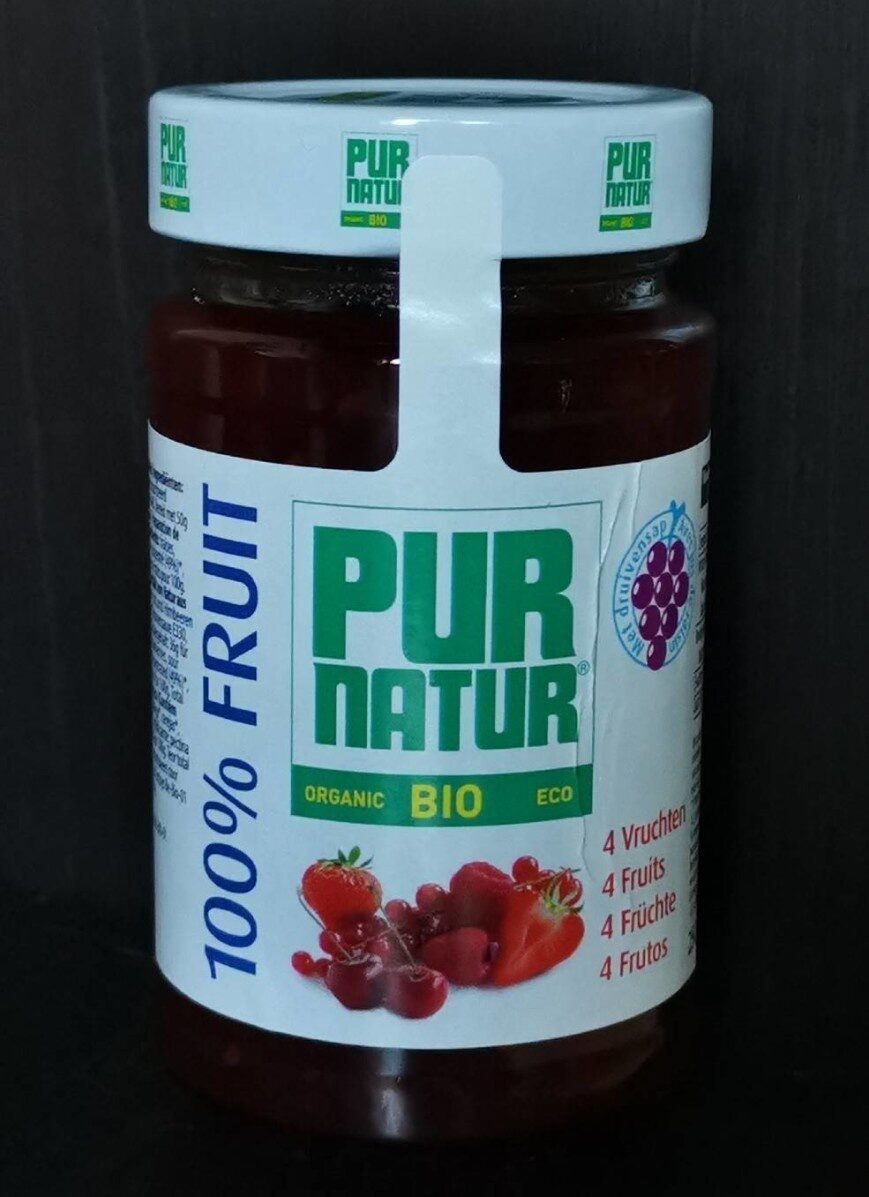
This yogurt contains beneficial ingredients like whole yogurt with live ferments and organic fruits, which provide probiotics and antioxidants. However, the presence of cane sugar as a significant ingredient contributes to high sugar content, which can impact health negatively. The product is moderately processed, which limits its score despite the organic certification of several ingredients.
Key ingredients 12
Whole yoghurtGood
Whole yoghurt is a source of probiotics that support gut health. It is made with live ferments, which can enhance digestion and nutrient absorption. The organic certification indicates a higher quality product with fewer pesticides.
Risks
Some individuals may be lactose intolerant and experience digestive discomfort.
Benefits
Contains beneficial probiotics that can improve gut flora and overall digestive health.
StrawberryGood
Strawberries are rich in antioxidants and vitamin C, supporting immune function. The organic farming method reduces pesticide exposure. They add natural sweetness and flavor to the product.
Benefits
High in antioxidants and vitamin C, which can support immune health.
BlackberryGood
Blackberries are a good source of fiber and vitamins, particularly vitamin C and K. Organic farming ensures lower pesticide residues. They contribute to the product's flavor and nutritional profile.
Benefits
Rich in fiber and vitamins, supporting digestive health and immune function.
RaspberryGood
Raspberries provide dietary fiber and antioxidants, promoting heart health. The organic certification indicates reduced pesticide use. They enhance the product's taste and nutritional value.
Benefits
High in antioxidants and fiber, beneficial for heart and digestive health.
BlueberryGood
Blueberries are known for their high antioxidant content, particularly anthocyanins. Organic blueberries have fewer pesticide residues. They add flavor and nutritional benefits to the product.
Benefits
Rich in antioxidants, which can help reduce oxidative stress and support brain health.
Lemon juiceGood
Lemon juice adds natural acidity and flavor, enhancing the product's taste. It is a source of vitamin C and antioxidants. Organic certification ensures minimal pesticide exposure.
Benefits
Provides vitamin C and antioxidants, supporting immune health.
StarchNeutral
Starch is used as a thickening agent in many food products. It is generally considered safe but provides little nutritional value. The organic source reduces concerns about chemical residues.
PectinNeutral
Pectin is a natural thickener derived from fruits, commonly used in jams and jellies. It is safe for consumption and adds texture to the product. It is not a significant source of nutrients.
Benefits
May aid in digestion due to its fiber content, but benefits are minimal in small amounts.
Fruit concentrateNeutral
Fruit concentrate is used to enhance flavor and sweetness. It is more processed than whole fruit but retains some nutrients. Organic certification reduces pesticide concerns.
Risks
May contribute to higher sugar content in the product.
Benefits
Adds flavor and some nutrients, though less than whole fruit.
Natural aromaNeutral
Natural aroma is used to enhance the product's flavor profile. It is derived from natural sources but lacks nutritional value. The term 'natural' can be broad, covering various extraction methods.
Benefits
Enhances flavor without artificial additives.
Calcium citrateNeutral
Calcium citrate is used as an acidity regulator and can contribute to calcium intake. It is generally recognized as safe and well-tolerated. It does not significantly alter the nutritional profile of the product.
Benefits
May provide a small amount of calcium, beneficial for bone health.
Cane sugarBad
Cane sugar is a refined sugar that can contribute to increased blood sugar levels. Excessive consumption is linked to obesity and metabolic disorders. Organic certification reduces pesticide exposure but does not mitigate sugar's health impacts.
Risks
High intake of refined sugars can lead to weight gain and increased risk of type 2 diabetes.
Benefits
Provides quick energy but lacks significant nutritional benefits.
Processing
Processed Foods
Get the full breakdown in the Scout appTake Scout shopping
Scan any product to see lab results, healthy alternatives, and your personalized analysis.
Download on theApp Store GET IT ONGoogle Play