


At a glance
Summary
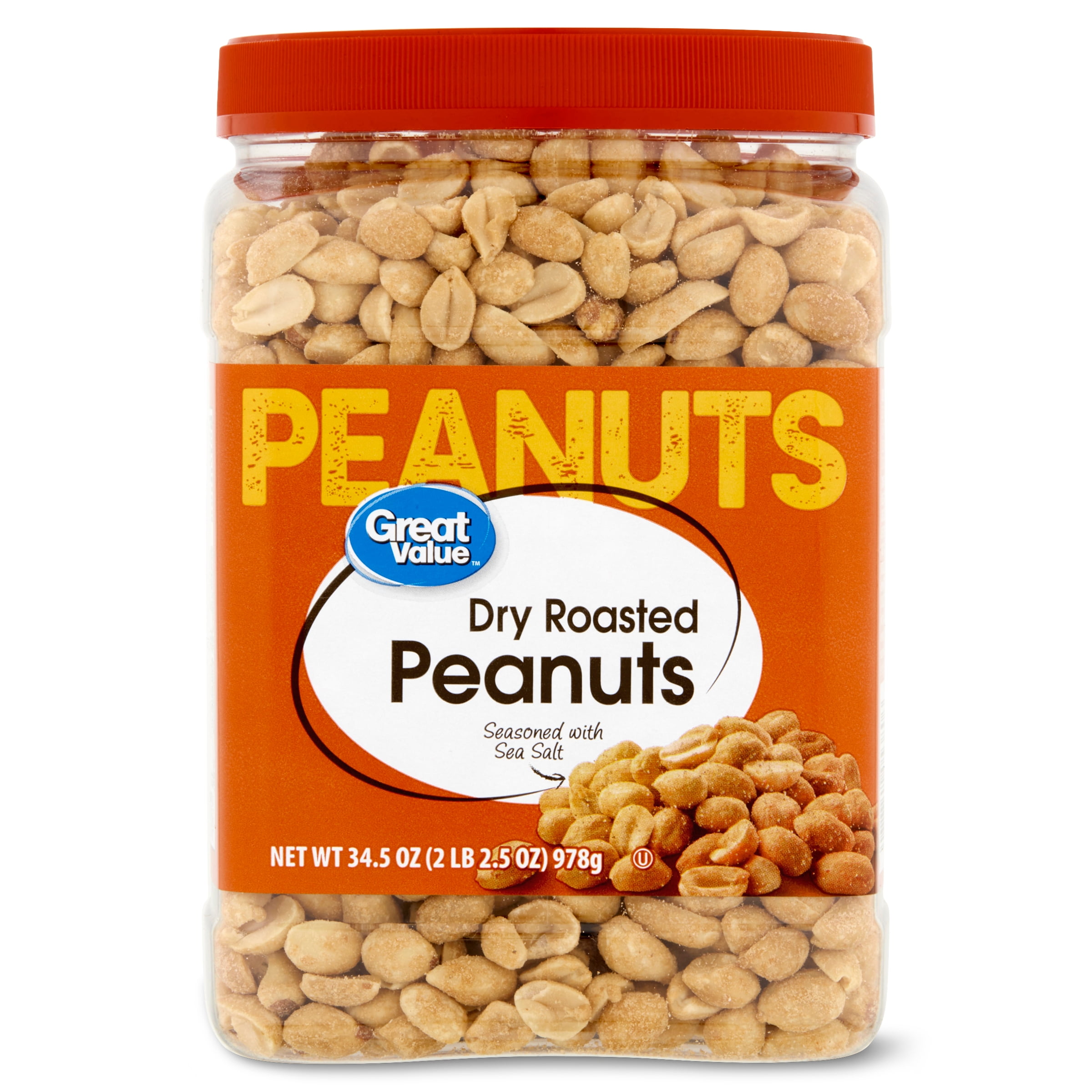
This product contains nutrient-dense peanuts, which are rich in healthy fats and protein, along with beneficial ingredients like sea salt and chili. However, the inclusion of canola oil, a refined seed oil high in omega-6 fatty acids, and added sugar detracts from its nutritional quality. The processing level of the product further limits its score potential, as it is not minimally processed.
Key ingredients 10
PeanutsGood
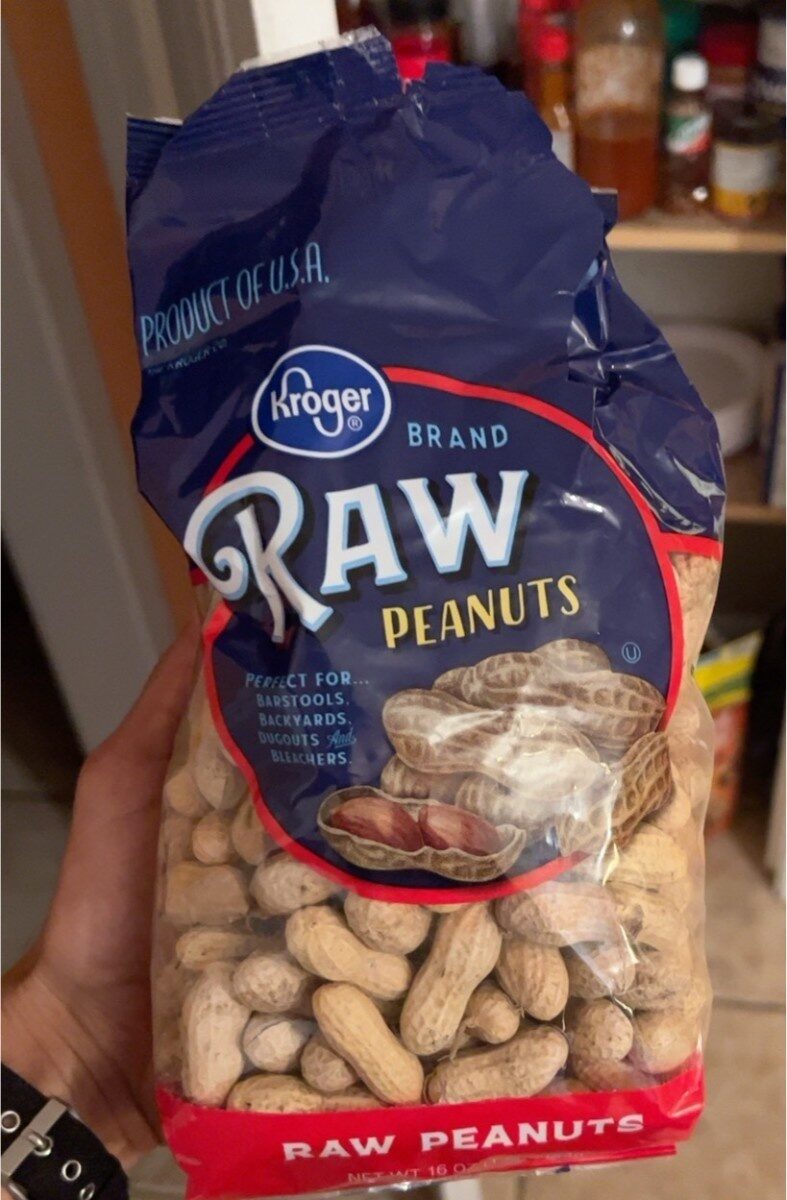
Peanuts are a nutrient-dense legume rich in healthy fats, protein, and fiber. They provide essential vitamins and minerals such as vitamin E, magnesium, and potassium. Their consumption is associated with heart health benefits and improved satiety.
Risks
Potential allergen for some individuals, which can cause severe allergic reactions.
Benefits
Rich in monounsaturated fats and protein, supporting heart health and muscle maintenance.
Sea SaltGood
Sea salt is a minimally processed salt that retains trace minerals. It is used to enhance flavor and provide essential sodium. Unlike refined table salt, it contains additional minerals that may offer health benefits.
Risks
Excessive sodium intake can lead to hypertension and cardiovascular issues.
Benefits
Provides essential sodium and trace minerals, enhancing flavor and supporting electrolyte balance.
ChiliGood
Chili peppers are rich in capsaicin, which has anti-inflammatory and metabolism-boosting properties. They add heat and flavor to dishes while providing vitamins A and C. Capsaicin may also aid in pain relief and weight management.
Risks
Can cause irritation or discomfort in sensitive individuals or when consumed in large amounts.
Benefits
Contains capsaicin, which may boost metabolism and provide anti-inflammatory benefits.
Rice FlourNeutral
Rice flour is a gluten-free flour alternative commonly used in baking and cooking. It is primarily composed of carbohydrates and provides minimal protein and fiber. It is a suitable option for those with gluten sensitivities.
Benefits
Provides a gluten-free alternative for baking and cooking.
LeaveningNeutral
Leavening agents like baking soda are used to help dough rise by producing carbon dioxide. They are essential in baking for achieving desired texture and volume. Typically used in small amounts, they have minimal nutritional impact.
Benefits
Essential for achieving proper texture and volume in baked goods.
Soy SauceNeutral
Soy sauce is a fermented condiment made from soybeans and wheat, providing umami flavor. It contains sodium and some amino acids. While it enhances flavor, it should be consumed in moderation due to its high sodium content.
Risks
High sodium content can contribute to hypertension if consumed in excess.
Benefits
Adds umami flavor and contains some amino acids from fermentation.
Potato StarchNeutral
Potato starch is a refined carbohydrate used as a thickening agent in cooking. It is gluten-free and provides a smooth texture to sauces and soups. It has minimal nutritional value beyond carbohydrates.
Benefits
Provides a gluten-free thickening option for various recipes.
Wheat FlourBad
Refined grain flour stripped of bran and germ.
Risks
Contains gluten, which can be problematic for individuals with celiac disease or gluten sensitivity.
Benefits
Provides carbohydrates for energy and some protein and fiber.
SugarBad
Refined sugar is a high-calorie sweetener with no essential nutrients. Excessive consumption is linked to various health issues, including obesity and metabolic syndrome. It is often added to enhance flavor but offers no nutritional benefits.
Risks
High intake can lead to weight gain, insulin resistance, and increased risk of chronic diseases.
Canola OilVery Bad
Canola oil is a refined seed oil high in omega-6 fatty acids, which can promote inflammation when consumed in excess. It is often processed using high heat and chemicals, which can degrade its nutritional quality. Despite being low in saturated fat, its high omega-6 content is a concern.
Risks
High omega-6 content may promote inflammation when consumed in excess.
Processing
Processed Foods
Get the full breakdown in the Scout appTake Scout shopping
Scan any product to see lab results, healthy alternatives, and your personalized analysis.
Download on theApp Store GET IT ONGoogle Play