






At a glance
Summary
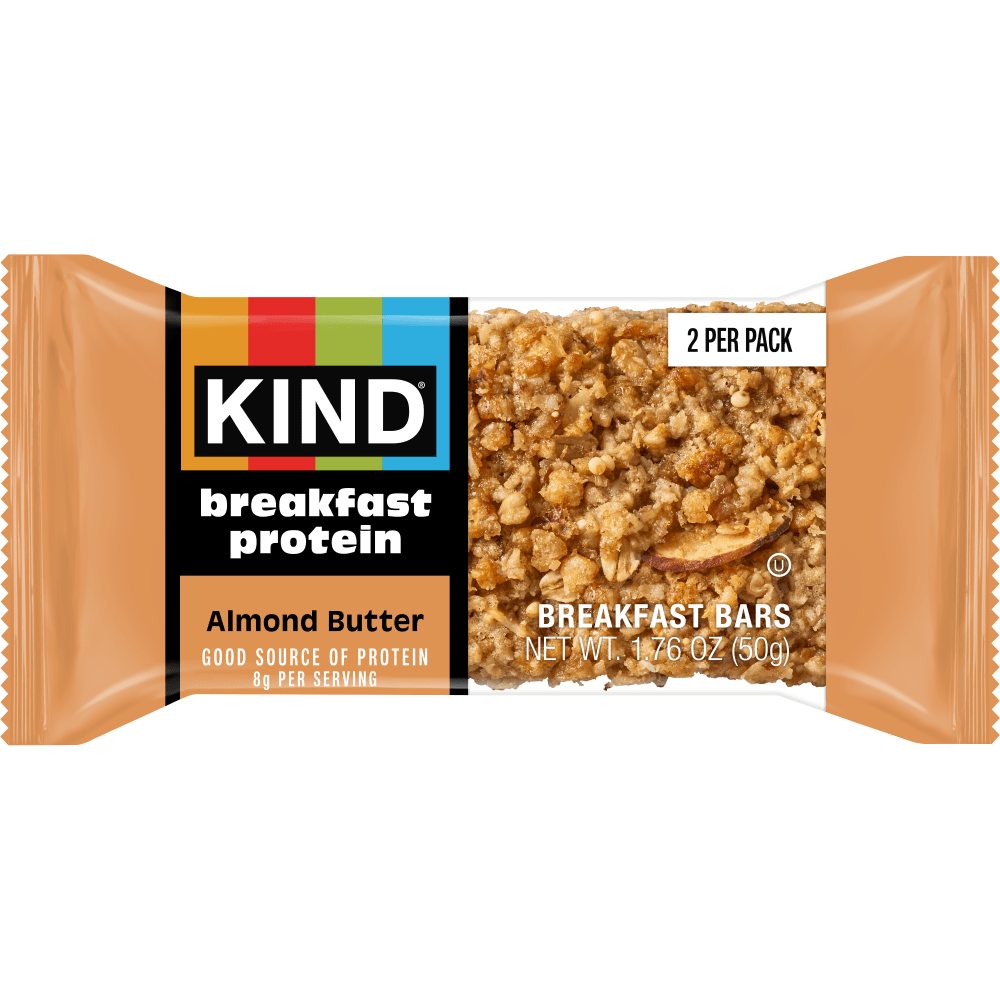
This product contains a mix of beneficial whole grains and nuts, such as oats, almonds, and quinoa, which provide essential nutrients and support heart health. However, the presence of canola oil, a highly processed seed oil, and soy protein isolate, which is less nutritious than whole protein sources, detracts from its overall healthfulness. Additionally, the inclusion of refined cane sugar and natural flavors further impacts the product's nutritional profile, leading to a moderate processing level.
Key ingredients 17
OatsVery Good
Oats are a whole grain rich in fiber and essential nutrients. They support heart health and provide sustained energy. Minimal processing retains their nutritional benefits.
Benefits
Rich in beta-glucan fiber, which can help lower cholesterol levels and improve heart health.
Almond ButterVery Good
Almond butter is a nutrient-dense spread rich in healthy fats, protein, and vitamins. It supports heart health and provides sustained energy. Made from whole almonds, it retains beneficial nutrients.
Risks
Potential allergen for individuals with nut allergies.
Benefits
Rich in monounsaturated fats and vitamin E, supporting heart health and providing antioxidant benefits.
AlmondsVery Good
Almonds are a nutrient-rich nut high in healthy fats, protein, and fiber. They support heart health and provide essential nutrients. Consumed whole, they retain their full nutritional profile.
Risks
Potential allergen for individuals with nut allergies.
Benefits
Rich in monounsaturated fats, vitamin E, and magnesium, supporting heart health and overall wellness.
HoneyGood
Honey is a natural sweetener with antioxidant and antimicrobial properties. It provides a source of natural sugars and trace nutrients. Less processed than refined sugars, it offers some health benefits.
Risks
High sugar content can contribute to increased calorie intake if consumed in excess.
Benefits
Contains antioxidants and has antimicrobial properties that can support immune health.
MilletGood
Millet is a whole grain that is gluten-free and rich in fiber and essential nutrients. It supports digestive health and provides sustained energy. Minimal processing retains its nutritional benefits.
Benefits
Provides fiber and essential nutrients, supporting digestive health and energy levels.
BuckwheatGood
Buckwheat is a gluten-free whole grain rich in fiber and antioxidants. It supports heart health and provides essential nutrients. It is minimally processed, retaining its nutritional benefits.
Benefits
Rich in fiber and antioxidants, supporting heart health and providing essential nutrients.
AmaranthGood
Amaranth is a gluten-free grain high in protein and essential amino acids. It supports muscle health and provides sustained energy. Minimal processing retains its nutritional benefits.
Benefits
Rich in protein and essential amino acids, supporting muscle health and energy levels.
QuinoaGood
Quinoa is a nutrient-dense grain high in protein and essential amino acids. It supports muscle health and provides sustained energy. Minimal processing retains its nutritional benefits.
Benefits
Rich in protein and essential amino acids, supporting muscle health and energy levels.
Sea SaltGood
Sea salt is a minimally processed source of sodium and trace minerals. It enhances flavor and provides essential electrolytes. It is less refined than table salt, retaining beneficial minerals.
Risks
Excessive sodium intake can lead to high blood pressure and related health issues.
Benefits
Provides essential electrolytes and trace minerals, supporting hydration and overall health.
CinnamonGood
Cinnamon is a spice with antioxidant and anti-inflammatory properties. It enhances flavor and provides potential health benefits. Minimal processing retains its beneficial compounds.
Benefits
Contains antioxidants and may help regulate blood sugar levels.
Vitamin EGood
Vitamin E is an antioxidant that helps protect cells from oxidative damage. It supports skin health and immune function. Added to maintain freshness, it provides additional health benefits.
Benefits
Acts as an antioxidant, supporting skin health and protecting cells from damage.
Raising PasteNeutral
Raising paste is used as a leavening agent in baked goods. It helps dough rise and improves texture. It is typically composed of baking powder or baking soda.
Benefits
Improves the texture and volume of baked products.
Tapioca SyrupBad
Processed additive flagged under Scout's ingredient doctrine.
Risks
Excessive consumption may contribute to increased sugar intake and related health issues.
Benefits
Provides a natural source of sweetness with a lower glycemic index than some refined sugars.
Soy Protein IsolateBad
Soy protein isolate is a highly processed form of soy protein. It lacks the complete amino acid profile found in animal-based proteins. Processing may reduce nutrient absorption.
Risks
May contain anti-nutrients that affect mineral absorption and potential allergens.
Benefits
Provides a plant-based protein source for those avoiding animal products.
Cane SugarBad
Cane sugar is a refined sugar that contributes to increased calorie intake without nutritional benefits. It can lead to blood sugar spikes and potential weight gain. Overconsumption is linked to various health issues.
Risks
High intake can lead to obesity, diabetes, and other metabolic disorders.
Natural FlavorBad
Natural flavor is a catch-all term for flavoring agents derived from natural sources. It lacks transparency and may contain multiple additives. Processing can involve chemical solvents.
Risks
Lack of transparency may pose risks for individuals with allergies or sensitivities.
Canola OilVery Bad
Canola oil is a seed oil high in omega-6 fatty acids, which can promote inflammation. It is often highly processed and refined. The extraction process may involve chemical solvents.
Risks
High omega-6 content may promote inflammation when consumed in excess.
Processing
Processed Foods
Get the full breakdown in the Scout appTake Scout shopping
Scan any product to see lab results, healthy alternatives, and your personalized analysis.
Download on theApp Store GET IT ONGoogle Play