



At a glance
Summary
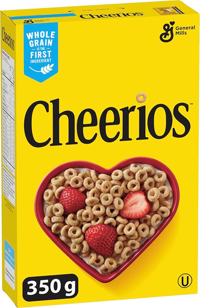
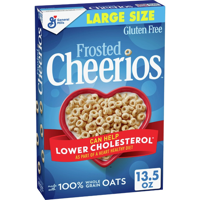
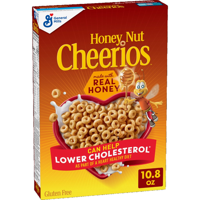
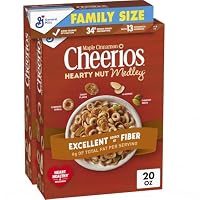
This cereal contains beneficial whole grains like oats, corn, and rice, which provide fiber and essential nutrients. However, it also includes added sugars such as sugar and brown sugar syrup, which are highly processed and contribute to health risks when consumed in excess. The product is ultra-processed, which limits its overall health score despite the presence of some nutritious ingredients.
Key ingredients 14
Whole Grain OatsVery Good
Whole grain oats are a rich source of dietary fiber, particularly beta-glucan, which supports heart health. They are minimally processed and retain most of their nutrients. Oats also provide a good source of vitamins, minerals, and antioxidants.
Benefits
Rich in dietary fiber that can help lower cholesterol levels and improve heart health. Provides essential nutrients and antioxidants that support overall well-being.
Whole Grain CornGood
Whole grain corn is a source of fiber and essential nutrients like B vitamins and magnesium. It is less processed than refined corn products, retaining more nutritional value. Whole grain corn can contribute to a balanced diet.
Benefits
Provides dietary fiber and essential nutrients that support digestive health and energy metabolism.
Whole Grain RiceGood
Whole grain rice is a good source of complex carbohydrates and fiber, supporting energy levels and digestive health. It is less processed than white rice, retaining more nutrients. Whole grain rice provides essential vitamins and minerals.
Benefits
Provides complex carbohydrates and fiber that support sustained energy and digestive health.
Vitamin E (Mixed Tocopherols)Good
Vitamin E is an antioxidant that helps protect cells from oxidative damage. Mixed tocopherols are a natural form of vitamin E used to preserve freshness. It supports immune function and skin health.
Benefits
Acts as an antioxidant and supports immune function and skin health.
Iron and Zinc (Mineral Nutrients)Good
Iron and zinc are essential minerals that support various bodily functions, including immune health and oxygen transport. They are added to fortify foods and prevent deficiencies. Adequate intake is crucial for overall health and development.
Risks
Excessive intake can lead to toxicity, but this is rare with dietary sources.
Benefits
Supports immune function, oxygen transport, and overall health.
A B Vitamin (Niacinamide)Good
Niacinamide is a form of vitamin B3 that supports energy metabolism and skin health. It is added to foods to prevent deficiencies and promote overall health. Niacinamide is well-tolerated and beneficial for maintaining healthy skin.
Benefits
Supports energy metabolism and contributes to healthy skin.
Corn StarchNeutral
Corn starch is a refined carbohydrate used as a thickening agent in foods. It is highly processed and lacks significant nutritional value. While it serves a functional purpose in food preparation, it does not contribute to nutritional intake.
See more about Corn Starch →SaltNeutral
Salt is used to enhance flavor and preserve food. It is a necessary nutrient but should be consumed in moderation to avoid health issues. Excessive salt intake can lead to hypertension and cardiovascular problems.
Risks
High intake can contribute to hypertension and cardiovascular issues.
Benefits
Provides essential sodium needed for fluid balance and nerve function.
Annatto ExtractNeutral
Part of Color. Caramel color and annatto extract are used to enhance the visual appeal of foods. They are processed additives with no nutritional value. While generally safe, some individuals may have sensitivities to food colorings.
Risks
Some individuals may experience allergic reactions or sensitivities.
Calcium CarbonateNeutral
Calcium carbonate is used as a calcium supplement and food additive. It is a common source of calcium but may not be as easily absorbed as other forms. It helps maintain bone health when consumed as part of a balanced diet.
Risks
Excessive intake can lead to kidney stones or impaired absorption of other minerals.
Benefits
Provides calcium necessary for bone health and metabolic functions.
SugarBad
Refined sugar is associated with increased risk of obesity, diabetes, and heart disease when consumed in excess. It is highly processed and offers no nutritional benefits. Excessive sugar intake can lead to metabolic issues and dental problems.
Risks
High consumption can lead to obesity, insulin resistance, and dental cavities.
Brown Sugar SyrupBad
Brown sugar syrup is a refined sugar product that contributes to added sugar intake. It is processed and can contribute to health issues when consumed in excess. Like other sugars, it provides calories without essential nutrients.
Risks
Excessive consumption can lead to weight gain and increased risk of metabolic diseases.
Tripotassium PhosphateBad
Processed additive flagged under Scout's ingredient doctrine.
See more about Tripotassium Phosphate →Caramel ColorBad
Part of Color. Caramel color and annatto extract are used to enhance the visual appeal of foods. They are processed additives with no nutritional value. While generally safe, some individuals may have sensitivities to food colorings.
Risks
Some individuals may experience allergic reactions or sensitivities.
Processing
Ultra-Processed Foods
Get the full breakdown in the Scout appTake Scout shopping
Scan any product to see lab results, healthy alternatives, and your personalized analysis.
Download on theApp Store GET IT ONGoogle Play