Salmon roll
Whole FoodsNear you
Whole Foods is carried at Whole Foods stores. Find one within 25 miles.

At a glance
Summary
The salmon roll contains several beneficial ingredients such as salmon, brown rice, and seaweed, which provide essential nutrients and health benefits. However, the presence of refined sugars like sugar and brown sugar detracts from its nutritional profile. Additionally, the product is moderately processed, which limits its overall health score despite the inclusion of some high-quality ingredients.
Key ingredients 24
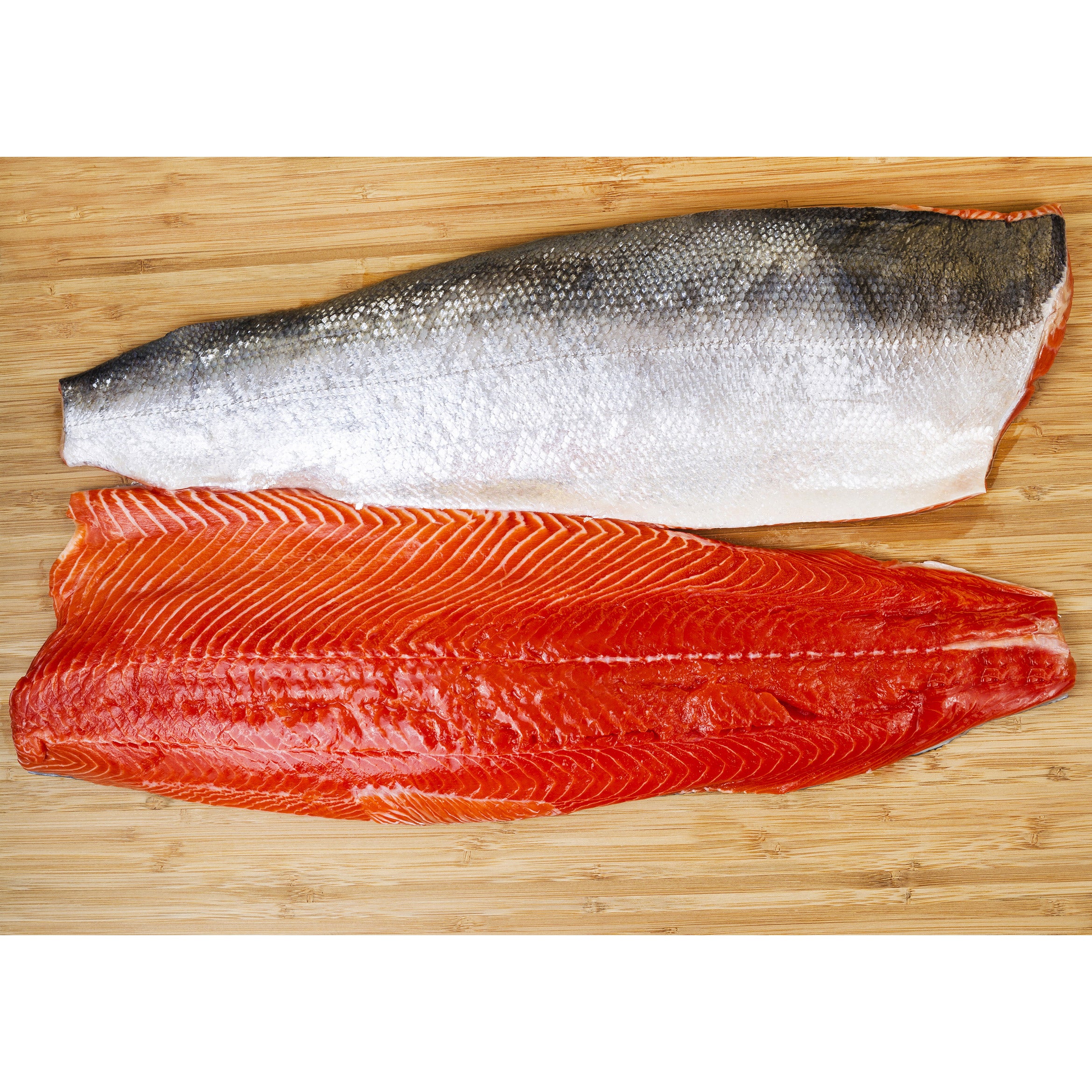
SalmonVery Good
Salmon is a high-quality protein source rich in omega-3 fatty acids. It supports heart health and provides essential nutrients like vitamin D and selenium. Raw salmon is a traditional sushi ingredient.
Risks
Potential risk of parasites if not properly handled or sourced.
Benefits
Rich in omega-3 fatty acids, supporting cardiovascular health and reducing inflammation.
Brown RiceGood
Brown rice is a whole grain that retains its bran and germ, providing more fiber and nutrients than white rice. It is a healthier carbohydrate option. It offers a nutty flavor and chewy texture.
Benefits
Rich in fiber, vitamins, and minerals, supporting digestive health and providing sustained energy.
HoneyGood
Honey is a natural sweetener with antioxidant properties. It contains trace amounts of vitamins and minerals. It is used for its flavor and potential health benefits.
Risks
Should be consumed in moderation due to its sugar content.
Benefits
Contains antioxidants and may have antibacterial properties.
Honey GingerGood
Honey ginger combines the benefits of honey and ginger, offering a sweet and spicy flavor. Ginger has anti-inflammatory properties and aids digestion. It is used for flavor and potential health benefits.
Benefits
May aid digestion and reduce inflammation.
GingerGood
Ginger is a root with anti-inflammatory and digestive benefits. It is used in sushi for its flavor and potential health benefits. It can help alleviate nausea and improve digestion.
Benefits
May reduce inflammation and aid in digestion.
SpirulinaGood
Spirulina is a nutrient-dense algae rich in protein, vitamins, and minerals. It is considered a superfood with antioxidant properties. It is used for its nutritional benefits and color.
Benefits
Rich in protein, vitamins, and antioxidants, supporting overall health.
SeaweedGood
Seaweed is a marine algae rich in vitamins, minerals, and antioxidants. It is used in sushi for its flavor and nutritional benefits. It is a good source of iodine and other trace minerals.
Benefits
Rich in iodine, vitamins, and antioxidants, supporting thyroid function and overall health.
Milled RiceNeutral
Milled rice is a staple carbohydrate source with minimal processing. It provides energy but lacks fiber and micronutrients compared to whole grains. It is a common ingredient in sushi rolls.
Benefits
Provides a source of carbohydrates for energy.
WaterNeutral
Water is a fundamental ingredient used in food preparation. It is essential for hydration and has no caloric content. It is used to cook rice and hydrate ingredients.
Benefits
Essential for hydration and cooking processes.
Distilled VinegarNeutral
Distilled vinegar is a common acidic ingredient used for flavoring and preservation. It is made through fermentation and distillation processes. It adds tanginess to sushi rice.
Benefits
Can enhance flavor and act as a preservative.
Rice VinegarNeutral
Rice vinegar is a mild vinegar used in Asian cuisine. It is made from fermented rice and adds a subtle sweetness and acidity. It is a traditional ingredient in sushi rice preparation.
Benefits
Enhances flavor and provides mild acidity.
SaltNeutral
Salt is a common seasoning used to enhance flavor. It is a source of sodium, which is essential for bodily functions but should be consumed in moderation. It is used in sushi rice and other components.
Risks
Excessive sodium intake can lead to hypertension and cardiovascular issues.
Benefits
Essential for maintaining fluid balance and nerve function.
VinegarNeutral
Vinegar is an acidic liquid used for flavoring and preservation. It is made through fermentation and adds tanginess to foods. It is a common ingredient in sushi rice.
Benefits
Enhances flavor and acts as a preservative.
Citric AcidNeutral
Citric acid is a natural acid found in citrus fruits, used as a preservative and flavor enhancer. It is commonly used in food processing. It adds tartness and helps preserve freshness.
Benefits
Acts as a preservative and enhances flavor.
Malic AcidNeutral
Malic acid is a naturally occurring acid in fruits, used to enhance flavor and preserve food. It provides a tart taste and is used in various food products. It is safe for consumption in moderate amounts.
Benefits
Enhances flavor and acts as a preservative.
Green MustardNeutral
Green mustard is a leafy vegetable used for its pungent flavor. It is used in small amounts for flavoring. It provides some vitamins and minerals.
Benefits
Provides vitamins and minerals in small amounts.
Horse-radishNeutral
Horse-radish is a root vegetable known for its pungent flavor. It is used in small amounts for its spicy taste. It contains some antioxidants and vitamins.
Benefits
Contains antioxidants and vitamins in small amounts.
MustardNeutral
Mustard is a condiment made from mustard seeds, used for its tangy flavor. It is used in small amounts for flavoring. It contains some vitamins and minerals.
Benefits
Provides vitamins and minerals in small amounts.
Corn FlourNeutral
Corn flour is a finely ground powder made from corn, used as a thickening agent. It is a source of carbohydrates but lacks significant nutrients. It is used in small amounts in food preparation.
Benefits
Provides carbohydrates for energy.
Soy SauceNeutral
Soy sauce is a fermented condiment made from soybeans, wheat, and salt. It is used for its umami flavor in Asian cuisine. It contains sodium and should be consumed in moderation.
Risks
High sodium content can contribute to hypertension if consumed in excess.
Benefits
Provides umami flavor and enhances taste.
WheatNeutral
Wheat is a common cereal grain used in various food products. It is a source of carbohydrates and some protein. It is used in soy sauce production.
Risks
May cause allergic reactions in individuals with wheat allergies or gluten intolerance.
Benefits
Provides carbohydrates and some protein.
SoybeanNeutral
Soybean is a legume used in various food products, including soy sauce. It is a source of protein and other nutrients. It is used for its flavor and nutritional content.
Risks
May cause allergic reactions in individuals with soy allergies.
Benefits
Provides protein and essential nutrients.
SugarBad
Refined sugar is a high-calorie sweetener with no nutritional benefits. It can contribute to weight gain and metabolic issues when consumed in excess. It is used to enhance flavor in sushi rice.
Risks
Excessive consumption can lead to obesity, diabetes, and dental issues.
Brown SugarBad
Brown sugar is a refined sugar with molasses content, providing a slightly different flavor profile. It is still a high-calorie sweetener with minimal nutritional benefits. Used for flavoring in sushi rice.
Risks
Similar to refined sugar, it can contribute to weight gain and metabolic issues.
Processing
Processed Foods
Get the full breakdown in the Scout appTake Scout shopping
Scan any product to see lab results, healthy alternatives, and your personalized analysis.
Are you Whole Foods? Fix an error Get the badge Get tested