
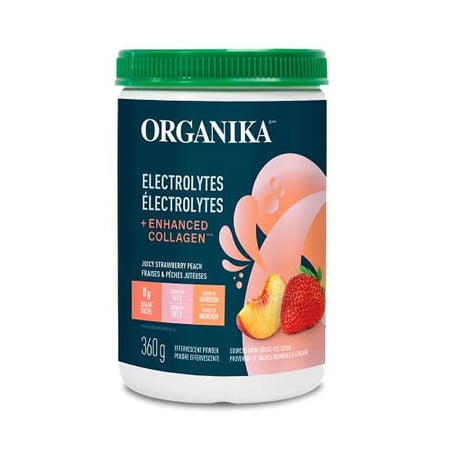


ORGANIKA Strawberry Peach Collagen Electrolyte 360 GR
Analysis updated June 2026 · How Scout scores
At a glance
Summary
This product features high-quality ingredients like hydrolyzed bovine collagen and bioavailable forms of magnesium and potassium, which support muscle function and hydration. The use of natural flavors, while common, lacks transparency and could be a concern for those seeking a clean label. The formulation is generally clean with minimal additives, contributing to its favorable rating.
Key ingredients 11
Hydrolyzed Bovine CollagenVery Good
Hydrolyzed bovine collagen is a high-quality protein source that supports skin, joint, and bone health. It is derived from animal sources, providing a rich amino acid profile beneficial for connective tissue. The hydrolyzation process enhances its absorption and bioavailability.
Benefits
Supports skin elasticity, joint health, and overall connective tissue strength.
Magnesium CitrateGood
Magnesium citrate is a highly bioavailable form of magnesium, essential for muscle and nerve function. It is often used in supplements to support cardiovascular health and energy production. The citrate form enhances absorption compared to other magnesium salts.
Risks
Excessive intake may cause diarrhea or gastrointestinal upset.
Benefits
Supports muscle function, energy production, and cardiovascular health.
Potassium CitrateGood
Potassium citrate is an effective source of potassium, crucial for maintaining electrolyte balance and proper muscle function. It is often used to prevent kidney stones and support heart health. The citrate form aids in better absorption and utilization.
Risks
Excessive consumption can lead to hyperkalemia, affecting heart rhythm.
Benefits
Supports electrolyte balance, muscle function, and heart health.
Red Beet PowderGood
Red beet powder is a natural source of nitrates, which can improve blood flow and athletic performance. It is rich in antioxidants and provides a natural color to food products. The powder form retains most of the nutrients found in fresh beets.
Benefits
Enhances blood flow, athletic performance, and provides antioxidants.
Ascorbic AcidGood
Ascorbic acid, also known as vitamin C, is an essential nutrient that supports immune function and acts as an antioxidant. It is commonly added to supplements to enhance nutrient absorption and provide health benefits. The synthetic form is widely used and effective.
Risks
High doses may cause gastrointestinal discomfort.
Benefits
Supports immune health and acts as an antioxidant.
Potassium BicarbonateGood
Potassium bicarbonate is used to provide potassium, an essential electrolyte for maintaining fluid balance and muscle function. It also acts as a buffering agent to maintain pH levels. The bicarbonate form is effective in neutralizing acids.
Risks
Excessive intake can lead to hyperkalemia, affecting heart rhythm.
Benefits
Supports fluid balance, muscle function, and pH regulation.
Beta-CaroteneGood
Beta-carotene is a precursor to vitamin A and acts as an antioxidant. It is beneficial for eye health and immune function. As a natural colorant, it provides an orange hue to food products without artificial dyes.
Benefits
Supports eye health, immune function, and provides antioxidant properties.
Citric AcidNeutral
Citric acid is commonly used as a preservative and flavor enhancer in food products. It is naturally found in citrus fruits and is generally recognized as safe. In supplements, it can aid in mineral absorption.
Risks
Excessive consumption may cause gastrointestinal discomfort in sensitive individuals.
Benefits
May enhance mineral absorption and provide a tangy flavor.
Sodium BicarbonateNeutral
Sodium bicarbonate is used as a leavening agent and to regulate acidity. It is a common ingredient in baking and supplements for its buffering properties. In electrolyte products, it helps maintain pH balance.
Risks
High intake may lead to increased sodium levels, affecting blood pressure.
Benefits
Helps maintain pH balance and can aid in digestion.
Stevia ExtractNeutral
Stevia extract is a natural, zero-calorie sweetener derived from the stevia plant. It is used as a sugar substitute without the calories associated with sugar. The extract form is highly concentrated and provides sweetness without affecting blood sugar levels.
Benefits
Provides sweetness without calories or impact on blood sugar levels.
Natural FlavoursBad
Natural flavours are a catch-all term for flavoring agents derived from natural sources but can be highly processed. The lack of transparency in their composition can be concerning for consumers seeking clean labels. They may contain multiple compounds, some of which could be allergens.
Risks
Potential allergenicity and lack of transparency in ingredient sourcing.
Processing
Ultra-Processed Foods
Get the full breakdown in the Scout appTake Scout shopping
Scan any product to see lab results, healthy alternatives, and your personalized analysis.
Download on theApp Store GET IT ONGoogle PlayAmazon pricing & content
Amazon price as of . Product prices and availability are accurate as of the date/time indicated and are subject to change. Any price and availability information displayed on Amazon.com at the time of purchase will apply to the purchase of this product.
CERTAIN CONTENT THAT APPEARS ON THIS SITE COMES FROM AMAZON. THIS CONTENT IS PROVIDED “AS IS” AND IS SUBJECT TO CHANGE OR REMOVAL AT ANY TIME.