


At a glance
Summary
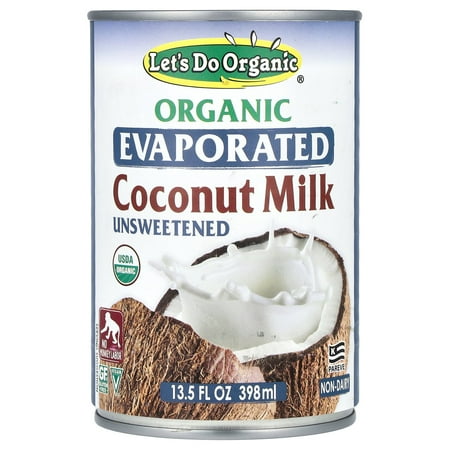
This coconut milk product contains beneficial ingredients like organic coconutmilk and organic coconut cream, which are minimally processed and provide healthy fats. However, the presence of natural flavor and xanthan gum introduces a level of processing that detracts from its overall healthiness. While these additives are generally safe, they contribute to the product's processed nature, limiting its score potential.
Key ingredients 15
Organic CoconutmilkGood
Organic coconutmilk is a plant-based milk alternative rich in medium-chain triglycerides (MCTs). It is minimally processed and free from artificial additives. The organic certification ensures it is free from synthetic pesticides and GMOs.
Benefits
Provides healthy fats that can support energy levels and metabolism. Contains lauric acid, which may have antimicrobial properties.
Organic Coconut CreamGood
Organic coconut cream is a rich source of healthy fats and adds creaminess to the product. It is minimally processed and retains the natural nutrients of coconut. The organic certification ensures it is free from synthetic pesticides and GMOs.
Benefits
Rich in medium-chain triglycerides (MCTs) that can support energy levels and metabolism. Provides a creamy texture and flavor without the need for artificial thickeners.
Vitamin B12Good
Beneficial ingredient — whole-food or functional value in this product class.
Benefits
Supports nerve function and the production of red blood cells.
Filtered WaterNeutral
Filtered water is used as a base to dilute and blend ingredients. It is a neutral ingredient with no nutritional value. Ensures the product is free from impurities and contaminants.
See more about Filtered Water →Organic Guar GumNeutral
Organic guar gum is used as a thickening agent to improve texture and stability. It is derived from guar beans and is considered a natural additive. The organic certification ensures it is free from synthetic pesticides and GMOs.
Risks
Excessive consumption may cause digestive discomfort in sensitive individuals.
Benefits
Helps maintain product consistency and texture without synthetic additives.
Vitamin and Mineral BlendNeutral
The vitamin and mineral blend is added to enhance the nutritional profile of the product. It typically includes essential nutrients like calcium, magnesium, and vitamins A, D, and B12. These nutrients are important for bone health and overall well-being.
Benefits
Provides essential nutrients that support bone health and immune function.
Calcium PhosphateNeutral
Calcium phosphate is used as a source of calcium to fortify the product. It is a common food additive that helps support bone health. It is generally recognized as safe when used in food products.
Risks
Excessive intake may lead to imbalances in mineral absorption.
Benefits
Contributes to the maintenance of healthy bones and teeth.
Magnesium PhosphateNeutral
Magnesium phosphate is added to provide magnesium, an essential mineral. It supports various bodily functions, including muscle and nerve function. It is generally recognized as safe when used in food products.
Risks
Excessive intake may lead to digestive issues or mineral imbalances.
Benefits
Supports muscle and nerve function and contributes to bone health.
Calcium CarbonateNeutral
Calcium carbonate is used to fortify the product with calcium. It is a common food additive that supports bone health. It is generally recognized as safe when used in food products.
Risks
Excessive intake may lead to digestive issues or mineral imbalances.
Benefits
Helps maintain strong bones and teeth.
L-SelenomethionineNeutral
L-Selenomethionine is a form of selenium used to fortify the product. Selenium is an essential trace mineral important for antioxidant defense and thyroid function. It is generally recognized as safe when used in food products.
Risks
Excessive intake may lead to selenium toxicity.
Benefits
Supports antioxidant defense and thyroid function.
Vitamin A AcetateNeutral
Vitamin A acetate is added to enhance the vitamin A content of the product. It is important for vision, immune function, and skin health. It is generally recognized as safe when used in food products.
Risks
Excessive intake may lead to vitamin A toxicity.
Benefits
Supports vision, immune function, and skin health.
Vitamin D2Neutral
Vitamin D2 is added to fortify the product with vitamin D. It is important for calcium absorption and bone health. It is generally recognized as safe when used in food products.
Risks
Excessive intake may lead to vitamin D toxicity.
Benefits
Supports calcium absorption and bone health.
Zinc OxideNeutral
Zinc oxide is used to fortify the product with zinc. Zinc is essential for immune function and wound healing. It is generally recognized as safe when used in food products.
Risks
Excessive intake may lead to zinc toxicity.
Benefits
Supports immune function and wound healing.
Xanthan GumNeutral
Fermentation-derived thickener, well tolerated at food-use levels.
Risks
May cause digestive discomfort or allergic reactions in sensitive individuals.
Benefits
Helps maintain product consistency and texture.
Natural FlavorBad
Natural flavor is a catch-all term that can include a variety of substances to enhance taste. It lacks transparency and may contain additives not disclosed on the label. The use of natural flavors is often criticized for being overly processed.
Risks
May contain undisclosed additives or allergens.
Processing
Processed Foods
Get the full breakdown in the Scout appTake Scout shopping
Scan any product to see lab results, healthy alternatives, and your personalized analysis.
Download on theApp Store GET IT ONGoogle Play