
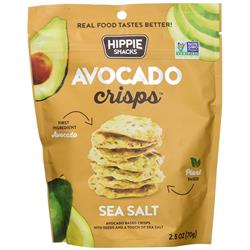


At a glance
Summary
This product features a clean ingredient list with nutrient-dense components such as avocado, coconut milk, and various seeds, which provide healthy fats and essential nutrients. The absence of harmful additives and the use of minimally processed ingredients contribute positively to its nutritional profile. However, the product is still processed, which limits its maximum potential score.
Key ingredients 12
AvocadoVery Good
Avocado is a nutrient-dense fruit rich in healthy monounsaturated fats. It provides essential vitamins and minerals such as potassium and vitamin E. The inclusion of avocado supports heart health and offers anti-inflammatory benefits.
Benefits
Rich in monounsaturated fats that support heart health and provide anti-inflammatory properties. Contains antioxidants that may reduce oxidative stress.
Pumpkin SeedsVery Good
Pumpkin seeds are a nutrient-rich seed high in protein, healthy fats, and essential minerals like magnesium and zinc. They support heart health and have antioxidant properties. Their inclusion adds nutritional value and promotes overall wellness.
Benefits
Rich in protein and healthy fats, supporting heart health and providing essential minerals.
Flax SeedsVery Good
Flax seeds are high in omega-3 fatty acids, fiber, and lignans, which support heart health and have anti-inflammatory effects. They are a valuable addition to a balanced diet. Their inclusion boosts the nutritional content of the product.
Benefits
Rich in omega-3 fatty acids and fiber, supporting heart health and providing anti-inflammatory benefits.
Coconut MilkGood
Coconut milk is a plant-based milk alternative rich in medium-chain triglycerides (MCTs). It provides a creamy texture and is a source of healthy fats. The MCTs in coconut milk may support metabolism and energy levels.
Risks
High in saturated fats, which should be consumed in moderation.
Benefits
Contains medium-chain triglycerides that may support metabolism and provide quick energy.
Sunflower SeedsGood
Sunflower seeds are a good source of healthy fats, protein, and vitamin E. They contribute to heart health and provide antioxidant benefits. Their inclusion enhances the nutritional profile of the product.
Benefits
Rich in healthy fats and vitamin E, supporting heart health and providing antioxidant properties.
Brown Rice FlourGood
Beneficial ingredient — whole-food or functional value in this product class.
Benefits
Provides carbohydrates and fiber, contributing to energy and digestive health.
Sea SaltGood
Sea salt is a natural source of sodium and trace minerals. It is less processed than table salt and retains more minerals. Its inclusion enhances flavor and provides essential electrolytes.
Risks
Excessive sodium intake can lead to hypertension and cardiovascular issues.
Benefits
Provides essential electrolytes and enhances flavor with trace minerals.
Citric AcidNeutral
Citric acid is a natural preservative used to enhance flavor and preserve freshness. It is commonly found in citrus fruits and is generally recognized as safe. While it has no significant nutritional benefits, it helps maintain product stability.
Risks
Excessive consumption may cause gastrointestinal discomfort in sensitive individuals.
VinegarNeutral
Vinegar is used as a flavor enhancer and preservative in food products. It is derived from the fermentation of ethanol and has no significant nutritional value. Its acidic nature helps preserve the product and enhance taste.
Risks
Excessive consumption may lead to tooth enamel erosion due to its acidity.
Tapioca StarchNeutral
Tapioca starch is a gluten-free thickening agent derived from cassava root. It provides texture and structure to food products. While it has no significant nutritional benefits, it is a useful ingredient in gluten-free formulations.
See more about Tapioca Starch →WaterNeutral
Water is used as a solvent and processing aid in food production. It is essential for hydration but does not contribute nutritional value to the product. Its presence is necessary for ingredient mixing and consistency.
See more about Water →Mustard FlourNeutral
Mustard flour is used as a spice and flavor enhancer in food products. It is made from ground mustard seeds and adds a pungent flavor. While it has no significant nutritional benefits, it contributes to the product's taste profile.
Risks
May cause allergic reactions in sensitive individuals.
Processing
Processed Foods
Get the full breakdown in the Scout appTake Scout shopping
Scan any product to see lab results, healthy alternatives, and your personalized analysis.
Download on theApp Store GET IT ONGoogle Play