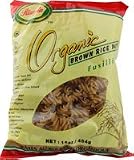
Great Value Fusilli Pasta S
Great ValueNear you
Great Value is carried at Walmart stores. Find one within 25 miles.

At a glance
Summary
This pasta is made primarily from durum wheat semolina, which is a high-quality ingredient known for its protein content and energy provision. The product is fortified with essential vitamins and minerals, which is beneficial, but it is still considered a processed food due to the enrichment process. The ingredient list is relatively clean, with no harmful additives or seed oils, but the processing level limits its score. Its plastic packaging can shed microplastics into the food and lowers its score.
Key ingredients 7
Durum wheat semolinaGood
Durum wheat semolina is a high-quality wheat product used in pasta making. It is rich in protein and provides a good source of energy. The milling process retains some of the wheat's natural nutrients.
Risks
Contains gluten, which may cause issues for individuals with celiac disease or gluten sensitivity.
Benefits
Provides a good source of protein and energy, making it a staple in many diets. Its complex carbohydrates are beneficial for sustained energy release.
NiacinNeutral
Niacin, also known as vitamin B3, is an essential nutrient added to enriched foods. It supports metabolism and energy production. The enrichment process ensures adequate intake in diets lacking natural sources.
Benefits
Supports energy production and metabolism, contributing to overall health.
Folic acidNeutral
Folic acid is a synthetic form of vitamin B9 used in food fortification. It is crucial for DNA synthesis and cell division. Fortification helps prevent deficiencies in populations with low dietary intake.
Risks
Excessive intake may mask vitamin B12 deficiency symptoms.
Benefits
Essential for DNA synthesis and cell division, particularly important during pregnancy for fetal development.
Ferrous sulphateNeutral
Ferrous sulphate is an iron supplement used to fortify foods. It helps prevent iron deficiency anemia. The fortification process ensures adequate iron intake in diets lacking natural sources.
Risks
Excessive iron intake can lead to toxicity, especially in individuals with hemochromatosis.
Benefits
Prevents iron deficiency anemia by providing a bioavailable form of iron.
RiboflavinNeutral
Riboflavin, or vitamin B2, is an essential nutrient added to enriched foods. It plays a key role in energy production and cellular function. Fortification ensures adequate intake in diets lacking natural sources.
Benefits
Supports energy production and cellular function, contributing to overall health.
Thiamine mononitrateNeutral
Thiamine mononitrate is a form of vitamin B1 used in food fortification. It is essential for carbohydrate metabolism and nerve function. Fortification helps prevent deficiencies in populations with low dietary intake.
Benefits
Supports carbohydrate metabolism and nerve function, contributing to overall health.
WheatNeutral
Wheat is a staple grain used in many food products. It provides carbohydrates and some protein. The processing of wheat into pasta retains some of its nutritional value.
Risks
Contains gluten, which may cause issues for individuals with celiac disease or gluten sensitivity.
Benefits
Provides carbohydrates for energy and some protein, making it a staple in many diets.
Processing
Processed Foods
Get the full breakdown in the Scout appTake Scout shopping
Scan any product to see lab results, healthy alternatives, and your personalized analysis.
Are you Great Value? Fix an error Get the badge Get tested