
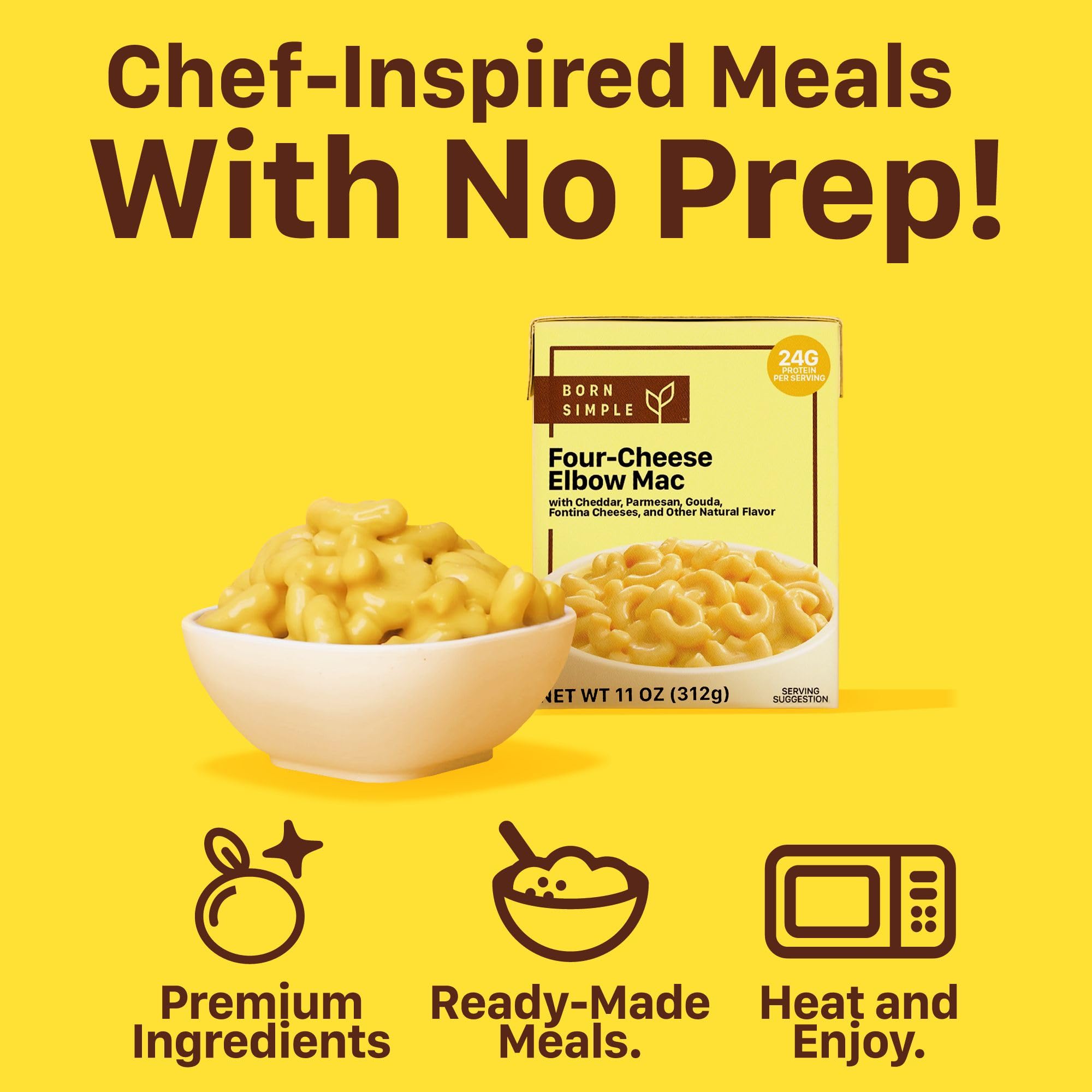


four cheese elbow mac
Analysis updated September 2026 · How Scout scores
At a glance
Summary
This product contains a blend of cheeses, which provide beneficial nutrients like protein and calcium, and are minimally processed. However, the presence of canola oil, a heavily processed seed oil, and the use of 'natural flavor' as a non-transparent ingredient, detract from its overall healthiness. The product's processing level further limits its potential score, despite the inclusion of some high-quality ingredients.
Key ingredients 13
Cheddar cheeseGood
Cheddar cheese is a source of high-quality protein and calcium. It is made from cultured pasteurized milk, which retains beneficial nutrients. The presence of annatto for color is natural and does not pose health concerns.
Risks
Contains lactose, which may be problematic for lactose-intolerant individuals.
Benefits
Rich in calcium and protein, supporting bone health and muscle maintenance.
Parmesan cheeseGood
Parmesan cheese is a hard cheese known for its rich flavor and high calcium content. Made from pasteurized skim milk, it is a concentrated source of nutrients. It also contains beneficial probiotics from cheese cultures.
Risks
High sodium content may be a concern for individuals monitoring salt intake.
Benefits
Excellent source of calcium and protein, with probiotics that may support gut health.
Heavy creamGood
Heavy cream adds richness and flavor, providing saturated fats and fat-soluble vitamins. It is minimally processed and retains natural nutrients. It enhances the texture and taste of the dish.
Risks
High in saturated fats, which should be consumed in moderation to maintain heart health.
Benefits
Provides fat-soluble vitamins and enhances the flavor and texture of foods.
Fontina cheeseGood
Fontina cheese is a semi-soft cheese with a creamy texture and rich flavor. It is made from pasteurized part-skim milk, offering protein and calcium. The cheese cultures used contribute to its unique taste and nutritional profile.
Risks
Contains lactose, which may affect those with lactose intolerance.
Benefits
Good source of protein and calcium, supporting bone health and muscle function.
Gouda cheeseGood
Gouda cheese is a semi-hard cheese known for its smooth texture and nutty flavor. Made from pasteurized milk, it provides essential nutrients like calcium and protein. The addition of beta-carotene for color is natural and beneficial.
Risks
High in sodium, which may be a concern for those with hypertension.
Benefits
Rich in calcium and protein, supporting bone health and providing essential nutrients.
Sea saltGood
Sea salt is a minimally processed salt that contains trace minerals. It is used to enhance flavor and provide essential sodium. Unlike refined salt, it retains natural minerals that can be beneficial.
Risks
Excessive sodium intake can lead to hypertension and cardiovascular issues.
Benefits
Provides essential sodium and trace minerals, enhancing flavor and supporting electrolyte balance.
WaterNeutral
Water is a neutral ingredient used as a solvent and to adjust consistency. It does not contribute any nutritional value. It is essential for hydration but does not impact the nutritional profile of the product.
See more about Water →Elbow pastaNeutral
Elbow pasta is primarily made from semolina wheat flour, providing carbohydrates and some protein. It is a staple food that offers energy but lacks significant micronutrients. Enrichment with vitamins and minerals like niacin and folic acid adds some nutritional value.
Risks
May contain gluten, which can be a concern for individuals with celiac disease or gluten sensitivity.
Benefits
Provides a source of carbohydrates for energy and is enriched with essential vitamins and minerals.
Rice starchNeutral
Rice starch is used as a thickening agent and is derived from rice. It is a carbohydrate that provides texture without significant nutritional value. It is generally well-tolerated and gluten-free.
Benefits
Provides texture and is gluten-free, making it suitable for those with gluten sensitivities.
Xanthan gumNeutral
Xanthan gum is a common food additive used as a thickener and stabilizer. It is produced through fermentation and is generally recognized as safe. It helps improve texture and consistency in processed foods.
Risks
Excessive consumption may cause digestive discomfort in some individuals.
Benefits
Improves texture and stability in food products.
Yeast extractBad
Concentrated glutamate source — MSG-adjacent flavor enhancer.
Risks
May contain naturally occurring glutamates, which some individuals may be sensitive to.
Benefits
Enhances flavor and provides a source of umami.
Natural flavorBad
Natural flavor is a catch-all term for flavoring agents derived from natural sources. It lacks transparency, making it difficult to assess its health impact. The term can encompass a wide range of substances, some of which may be heavily processed.
Risks
Lack of transparency can be concerning for individuals with allergies or sensitivities.
Canola oilVery Bad
Canola oil is a seed oil high in omega-6 fatty acids, which can promote inflammation when consumed in excess. It is heavily processed, often involving chemical extraction methods. The high omega-6 content is a concern for maintaining a balanced omega-3 to omega-6 ratio.
Risks
High omega-6 content may promote inflammation when consumed in excess.
Processing
Processed Foods
Get the full breakdown in the Scout appTake Scout shopping
Scan any product to see lab results, healthy alternatives, and your personalized analysis.
Download on theApp Store GET IT ONGoogle Play