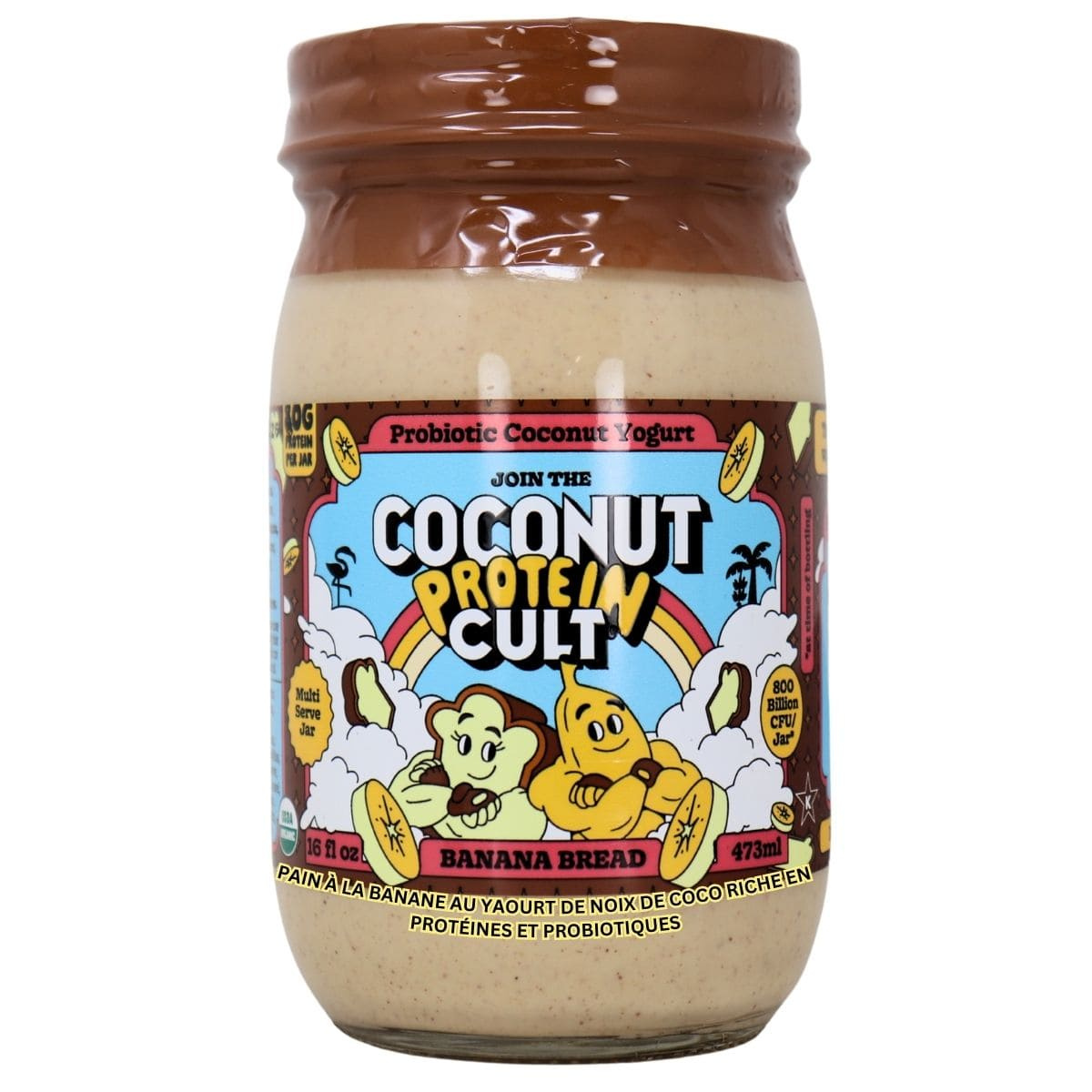
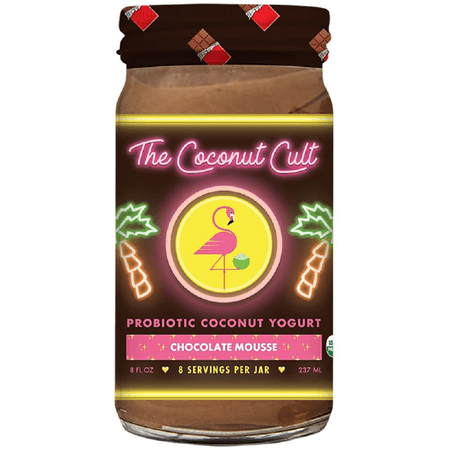
Coconut Yogurt

At a glance
Summary
This coconut yogurt contains beneficial ingredients like organic coconutmilk and live cultures, which support gut health and provide healthy fats. However, the presence of organic cane sugar, even in its organic form, adds unnecessary refined sugar, which can contribute to metabolic issues. The product is moderately processed, which limits its score despite the use of mostly clean and organic ingredients.
Key ingredients 10
Organic CoconutmilkVery Good
Organic coconutmilk is a high-quality source of healthy fats, particularly medium-chain triglycerides (MCTs). It is minimally processed and provides a creamy texture without the need for additives. The organic certification ensures no synthetic pesticides or fertilizers were used.
Benefits
Rich in MCTs that can provide quick energy and support metabolic health. Contains lauric acid, which has antimicrobial properties.
Organic Coconut CreamVery Good
Organic coconut cream is a concentrated source of healthy fats, enhancing the richness of the yogurt. It is minimally processed and retains the natural nutrients of coconut. The organic certification ensures a clean ingredient free from synthetic chemicals.
Benefits
Provides a rich source of MCTs and lauric acid, supporting energy metabolism and immune health.
Live and Active CulturesVery Good
Live and active cultures are beneficial probiotics that support gut health and digestion. They are essential for fermenting the yogurt and providing health benefits. These cultures can improve the balance of gut microbiota.
Benefits
Promotes digestive health and enhances immune function by maintaining a healthy gut flora.
Calcium CitrateGood
Calcium citrate is a bioavailable form of calcium that supports bone health. It is added to enhance the nutritional profile of the yogurt. This form of calcium is well-absorbed and beneficial for maintaining strong bones.
Risks
Excessive calcium intake can lead to kidney stones and impaired absorption of other minerals.
Benefits
Supports bone health and helps prevent osteoporosis by providing a readily absorbable form of calcium.
Vitamin D2Good
Vitamin D2 is added to fortify the yogurt, supporting bone health and immune function. It is a plant-derived form of vitamin D, suitable for vegan products. Adequate vitamin D intake is crucial for calcium absorption.
Risks
Excessive intake of vitamin D can lead to toxicity, but this is rare with dietary sources.
Benefits
Enhances calcium absorption and supports bone health, contributing to overall well-being.
Vitamin B12Good
Vitamin B12 is essential for nerve function and the production of red blood cells. It is added to support the nutritional profile of the yogurt, especially important for those on plant-based diets. Adequate B12 intake is crucial for preventing anemia.
Benefits
Supports energy metabolism and neurological health, preventing B12 deficiency.
Filtered WaterNeutral
Filtered water is used to adjust the consistency and texture of the yogurt. It is a neutral ingredient with no direct nutritional impact. The filtration process removes impurities, ensuring safety and quality.
See more about Filtered Water →Rice StarchNeutral
Rice starch is used as a thickening agent to improve the texture of the yogurt. It is a neutral ingredient with minimal nutritional impact. Derived from rice, it is a natural alternative to synthetic thickeners.
See more about Rice Starch →PectinNeutral
Pectin is a natural gelling agent derived from fruits, used to stabilize the yogurt's texture. It is a neutral ingredient with no significant nutritional impact. Pectin is commonly used in food products for its thickening properties.
See more about Pectin →Organic Cane SugarBad
Organic cane sugar is a refined sugar that can contribute to increased calorie intake without providing essential nutrients. Despite being organic, it still poses the same health concerns as conventional sugar. Excessive consumption can lead to metabolic issues.
Risks
High intake of refined sugars can lead to weight gain, insulin resistance, and increased risk of chronic diseases.
Benefits
Provides a quick source of energy but lacks significant nutritional benefits.
Processing
Processed Foods
Get the full breakdown in the Scout appTake Scout shopping
Scan any product to see lab results, healthy alternatives, and your personalized analysis.