

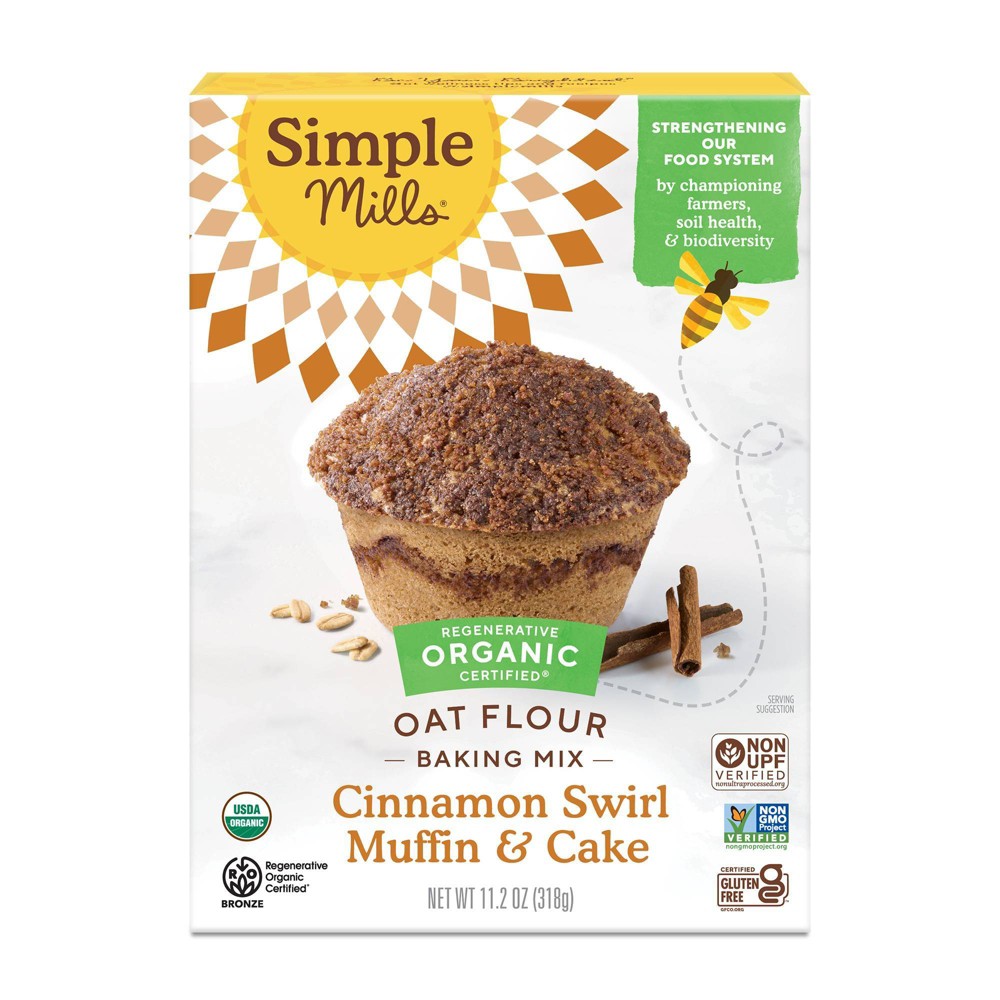

Stellar Eats Carrot Cake Muffin Mix
Analysis updated September 2026 · How Scout scores
At a glance
Summary
This carrot cake muffin mix features high-quality ingredients such as almond flour, coconut flour, and dehydrated carrots, which contribute to its nutritional value and provide healthy fats, fiber, and natural sweetness. The use of organic date and coconut sugars is a positive aspect, as they are less refined than traditional sugars. Despite being a processed product, it avoids harmful additives and seed oils, maintaining a clean ingredient list that supports a higher score within its category.
Key ingredients 8
Almond flourGood
Almond flour is a nutrient-dense alternative to traditional wheat flour. It is rich in healthy fats, protein, and fiber, which can support heart health and provide sustained energy. Being gluten-free, it is suitable for those with gluten sensitivities.
Risks
Potential allergen for individuals with tree nut allergies.
Benefits
Provides healthy fats, protein, and fiber, supporting heart health and energy levels.
Dehydrated carrotsGood
Dehydrated carrots retain many of the nutrients found in fresh carrots, including beta-carotene and fiber. They add natural sweetness and nutritional value to the product. The dehydration process helps preserve these nutrients for longer shelf life.
Benefits
Rich in beta-carotene and fiber, supporting eye health and digestion.
Coconut flourGood
Coconut flour is a high-fiber, gluten-free flour alternative. It is rich in medium-chain triglycerides (MCTs) and provides a unique flavor to baked goods. Its high fiber content can aid in digestion and promote satiety.
Risks
Potential allergen for individuals with coconut allergies.
Benefits
High in fiber and MCTs, supporting digestion and energy metabolism.
CinnamonGood
Cinnamon is a spice known for its antioxidant properties and potential to support blood sugar regulation. It adds flavor and aroma to foods without adding calories. Its bioactive compounds may have anti-inflammatory effects.
Benefits
Rich in antioxidants and may help regulate blood sugar levels.
Sea saltGood
Sea salt is a minimally processed salt that contains trace minerals. It enhances flavor and provides essential sodium for bodily functions. Unlike refined table salt, it retains some natural minerals.
Risks
Excessive sodium intake can contribute to high blood pressure.
Benefits
Provides essential sodium and trace minerals, enhancing flavor and supporting bodily functions.
SugarsNeutral
The sugars used are organic date sugar and organic coconut sugar, which are less processed than refined sugars. They provide a more natural sweetness with some trace nutrients. However, they still contribute to overall sugar intake and should be consumed in moderation.
Risks
Excessive consumption can lead to increased blood sugar levels and potential weight gain.
Benefits
Offers a more natural sweetness with trace nutrients compared to refined sugars.
Tapioca flourNeutral
Tapioca flour is a gluten-free starch extracted from cassava root. It is often used as a thickening agent and provides a chewy texture in baked goods. While it is low in nutrients, it is a suitable option for those avoiding gluten.
Risks
Limited nutritional value and primarily a source of carbohydrates.
Benefits
Provides a gluten-free alternative for thickening and texture in baking.
Baking sodaNeutral
Baking soda is a common leavening agent used to help baked goods rise. It is chemically simple and generally safe when used in appropriate amounts. It reacts with acidic ingredients to produce carbon dioxide, creating a light texture.
Risks
Excessive consumption can lead to digestive discomfort.
Benefits
Helps create a light and airy texture in baked goods.
Processing
Processed Foods
Get the full breakdown in the Scout appTake Scout shopping
Scan any product to see lab results, healthy alternatives, and your personalized analysis.
Download on theApp Store GET IT ONGoogle Play