
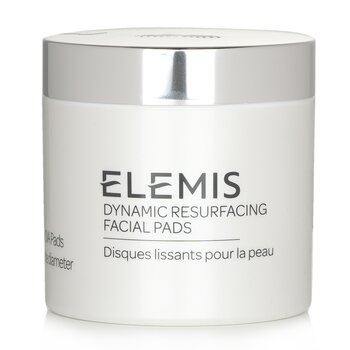

ELEMIS Dynamic Resurfacing Facial Pads 60 ct
Analysis updated October 2026 · How Scout scores
At a glance
Summary
This product contains beneficial ingredients like Lactococcus Ferment Lysate, Lactic Acid, and Shea Butter, which support skin health and hydration. However, the presence of undisclosed fragrance poses a risk of irritation and potential allergic reactions, which affects the overall safety profile. Additionally, the inclusion of synthetic ingredients like Polysorbate 20 and Phenoxyethanol indicates a moderate level of processing.
Key ingredients 29
Butyrospermum Parkii (Shea) ButterVery Good
Shea Butter is a natural fat extracted from the nuts of the shea tree. It is highly moisturizing and nourishing for the skin. It is beneficial for improving skin elasticity and reducing dryness.
Benefits
Moisturizes and nourishes the skin, improving elasticity.
Lactococcus Ferment LysateGood
Lactococcus Ferment Lysate is a probiotic ingredient that can help improve skin barrier function. It supports the skin's natural microbiome and can enhance skin health. It is beneficial for maintaining a balanced skin environment.
Benefits
Supports skin barrier function and enhances skin health.
BetaineGood
Betaine is a natural osmolyte that helps maintain skin hydration. It is derived from sugar beets and is known for its moisturizing properties. It can improve skin texture and reduce irritation.
Benefits
Maintains skin hydration and improves texture.
GlycerinGood
Glycerin is a well-known humectant that helps retain moisture in the skin. It is derived from natural sources and is highly effective in hydrating the skin. It is beneficial for maintaining skin softness and suppleness.
Benefits
Retains moisture and maintains skin softness.
Tocopheryl AcetateGood
Beneficial ingredient — whole-food or functional value in this product class.
Benefits
Protects the skin from free radical damage.
Aqua/Water/EauNeutral
Water is a common solvent used in cosmetic formulations. It helps dissolve other ingredients and provides a base for the product. It does not have any direct benefits or risks associated with its use in cosmetics.
Benefits
Provides a base for other ingredients to be dissolved and applied.
Butylene GlycolNeutral
Butylene Glycol is a common humectant that helps retain moisture in the skin. It also acts as a solvent and improves the texture of the product. It is generally considered safe for use in cosmetics.
Risks
May cause irritation in sensitive skin types.
Benefits
Helps retain moisture and improves product texture.
Polysorbate 20Neutral
Polysorbate 20 is an emulsifier that helps mix oil and water-based ingredients. It is commonly used in cosmetics to stabilize formulations. It is generally considered safe for use in personal care products.
Risks
May cause mild irritation in some individuals.
Benefits
Stabilizes formulations by emulsifying oil and water components.
Methyl Gluceth-20Neutral
Methyl Gluceth-20 is a humectant and emollient that helps moisturize the skin. It is derived from glucose and is considered safe for use in cosmetics. It improves the feel of the product on the skin.
Benefits
Moisturizes the skin and improves product texture.
Lactic AcidNeutral
Standard formulation ingredient — neither beneficial nor harmful at typical use.
Risks
May cause irritation or sensitivity, especially in high concentrations.
Benefits
Exfoliates the skin and improves texture and tone.
Sodium HydroxideNeutral
Sodium Hydroxide is used to adjust the pH of cosmetic formulations. It is effective in small amounts and helps maintain product stability. It is generally considered safe when used appropriately.
Risks
Can be irritating in high concentrations.
Benefits
Adjusts pH and maintains product stability.
Benzoic AcidNeutral
Benzoic Acid is a preservative that helps prevent microbial growth in cosmetics. It is effective in low concentrations and is considered safe by regulatory agencies. It helps extend the shelf life of the product.
Risks
May cause irritation in sensitive skin types.
Benefits
Prevents microbial growth and extends product shelf life.
Dehydroacetic AcidNeutral
Dehydroacetic Acid is a preservative used to prevent microbial growth in cosmetics. It is effective in low concentrations and is considered safe by regulatory agencies. It helps extend the shelf life of the product.
Benefits
Prevents microbial growth and extends product shelf life.
EthylhexylglycerinNeutral
Ethylhexylglycerin is a preservative and skin conditioning agent. It enhances the efficacy of other preservatives and improves skin feel. It is considered safe for use in cosmetics.
Benefits
Enhances preservative efficacy and improves skin feel.
PapainNeutral
Papain is an enzyme derived from papaya that helps exfoliate the skin. It breaks down proteins and can improve skin texture. It is beneficial for gentle exfoliation.
Risks
May cause irritation or allergic reactions in some individuals.
Benefits
Gently exfoliates the skin and improves texture.
SaponinsNeutral
Saponins are natural compounds that can act as surfactants and have cleansing properties. They are derived from plants and are generally considered safe for use in cosmetics. They can help cleanse the skin without harsh effects.
Benefits
Cleanses the skin gently and effectively.
Sodium ChlorideNeutral
Sodium Chloride is used as a thickening agent in cosmetic formulations. It helps improve the texture and consistency of the product. It is generally considered safe for use in cosmetics.
Benefits
Improves texture and consistency of the product.
Behenyl AlcoholNeutral
Behenyl Alcohol is a fatty alcohol used as an emollient and thickener in cosmetics. It helps improve the texture and feel of the product. It is considered safe for use in cosmetics.
Benefits
Improves texture and provides emollient properties.
Hydrogenated Castor OilNeutral
Hydrogenated Castor Oil is used as an emollient and thickener in cosmetics. It helps improve the texture and feel of the product. It is considered safe for use in cosmetics.
Benefits
Improves texture and provides emollient properties.
Stearyl AlcoholNeutral
Stearyl Alcohol is a fatty alcohol used as an emollient and thickener in cosmetics. It helps improve the texture and feel of the product. It is considered safe for use in cosmetics.
Benefits
Improves texture and provides emollient properties.
Poria Cocos ExtractNeutral
Poria Cocos Extract is derived from a type of fungus and is used for its skin-soothing properties. It is believed to help calm and balance the skin. It is generally considered safe for use in cosmetics.
Benefits
Soothes and balances the skin.
ProteaseNeutral
Protease is an enzyme that helps break down proteins and can aid in exfoliation. It is used to improve skin texture and clarity. It is beneficial for gentle exfoliation.
Risks
May cause irritation or allergic reactions in some individuals.
Benefits
Gently exfoliates the skin and improves texture.
Saponaria Officinalis Leaf ExtractNeutral
Saponaria Officinalis Leaf Extract is derived from the soapwort plant and is used for its cleansing properties. It is a natural surfactant that can help cleanse the skin. It is generally considered safe for use in cosmetics.
Benefits
Cleanses the skin naturally and effectively.
SubtilisinNeutral
Subtilisin is an enzyme that helps break down proteins and can aid in exfoliation. It is used to improve skin texture and clarity. It is beneficial for gentle exfoliation.
Risks
May cause irritation or allergic reactions in some individuals.
Benefits
Gently exfoliates the skin and improves texture.
PhenoxyethanolBad
Processed additive flagged under Scout's ingredient doctrine.
Risks
May cause irritation in sensitive skin types.
Benefits
Prevents microbial growth and extends product shelf life.
Propylene GlycolBad
Processed additive flagged under Scout's ingredient doctrine.
Risks
May cause irritation in sensitive skin types.
Benefits
Helps retain moisture and improves product texture.
Disodium EDTABad
Processed additive flagged under Scout's ingredient doctrine.
Benefits
Stabilizes formulations by binding metal ions.
Sodium BenzoateBad
Synthetic preservative that can form benzene in the presence of vitamin C.
Risks
May cause irritation in sensitive skin types.
Benefits
Prevents microbial growth and extends product shelf life.
Fragrance (Parfum)Very Bad
Fragrance is used to add scent to cosmetic products. It can cause allergic reactions or irritation in sensitive individuals. The exact composition is often undisclosed, leading to potential unknown risks.
Risks
Potential for allergic reactions and irritation.
Benefits
Adds a pleasant scent to the product.
Get the full breakdown in the Scout appTake Scout shopping
Scan any product to see lab results, healthy alternatives, and your personalized analysis.
Download on theApp Store GET IT ONGoogle PlayAmazon pricing & content
Amazon price as of . Product prices and availability are accurate as of the date/time indicated and are subject to change. Any price and availability information displayed on Amazon.com at the time of purchase will apply to the purchase of this product.
CERTAIN CONTENT THAT APPEARS ON THIS SITE COMES FROM AMAZON. THIS CONTENT IS PROVIDED “AS IS” AND IS SUBJECT TO CHANGE OR REMOVAL AT ANY TIME.