


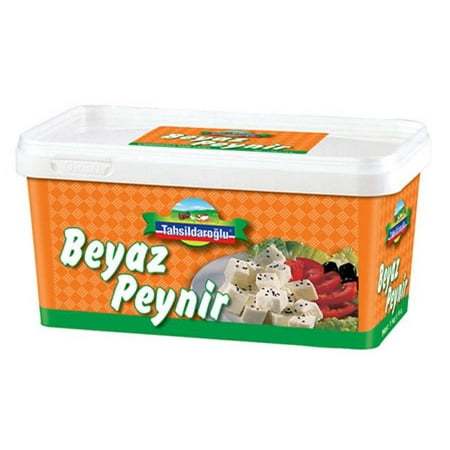
At a glance
Summary
This crumbled feta cheese is made from pasteurized sheep's milk, sea salt, cheese cultures, and enzymes, which are generally positive ingredients. However, the inclusion of powdered cellulose as an anti-caking agent indicates a higher level of processing. Despite having a relatively clean ingredient list, the product is classified as ultra-processed, which limits its score potential.
Key ingredients 5
Sea saltGood
Sea salt is a minimally processed source of sodium and trace minerals. It is often preferred over refined salt due to its natural mineral content. The use of sea salt in cheese can enhance flavor without the need for artificial additives.
Risks
Excessive consumption of sodium can lead to increased blood pressure and cardiovascular issues.
Benefits
Contains trace minerals that can support overall health and enhance the flavor of foods naturally.
Feta cheeseNeutral
Feta cheese is a traditional dairy product made from pasteurized sheep's milk, providing a good source of protein and calcium. It is a fermented product, which may offer probiotic benefits. However, it is high in sodium, which can be a concern for individuals monitoring their salt intake.
Risks
High sodium content may contribute to hypertension if consumed in excess.
Benefits
Provides protein and calcium, essential for bone health, and may contain beneficial probiotics due to fermentation.
Cheese culturesNeutral
Cheese cultures are essential for the fermentation process in cheese making, contributing to flavor and texture. They are naturally occurring bacteria that help in the development of cheese. While they are necessary for cheese production, they do not provide direct health benefits.
Benefits
Essential for the fermentation process, contributing to the development of flavor and texture in cheese.
EnzymesNeutral
Enzymes are used in cheese making to coagulate milk, forming curds and whey. They are a natural part of the cheese production process. While necessary for cheese production, they do not provide direct health benefits.
Benefits
Facilitate the cheese-making process by aiding in milk coagulation.
Powdered celluloseBad
Powdered cellulose is used as an anti-caking agent to prevent clumping in cheese products. It is derived from plant fibers and is considered a processed additive. While generally recognized as safe, it does not provide nutritional benefits and is indicative of processing.
Risks
May indicate a higher level of processing and does not contribute nutritional value.
Benefits
Helps maintain product texture by preventing clumping, ensuring ease of use.
Processing
Ultra-Processed Foods
Get the full breakdown in the Scout appTake Scout shopping
Scan any product to see lab results, healthy alternatives, and your personalized analysis.
Download on theApp Store GET IT ONGoogle Play