
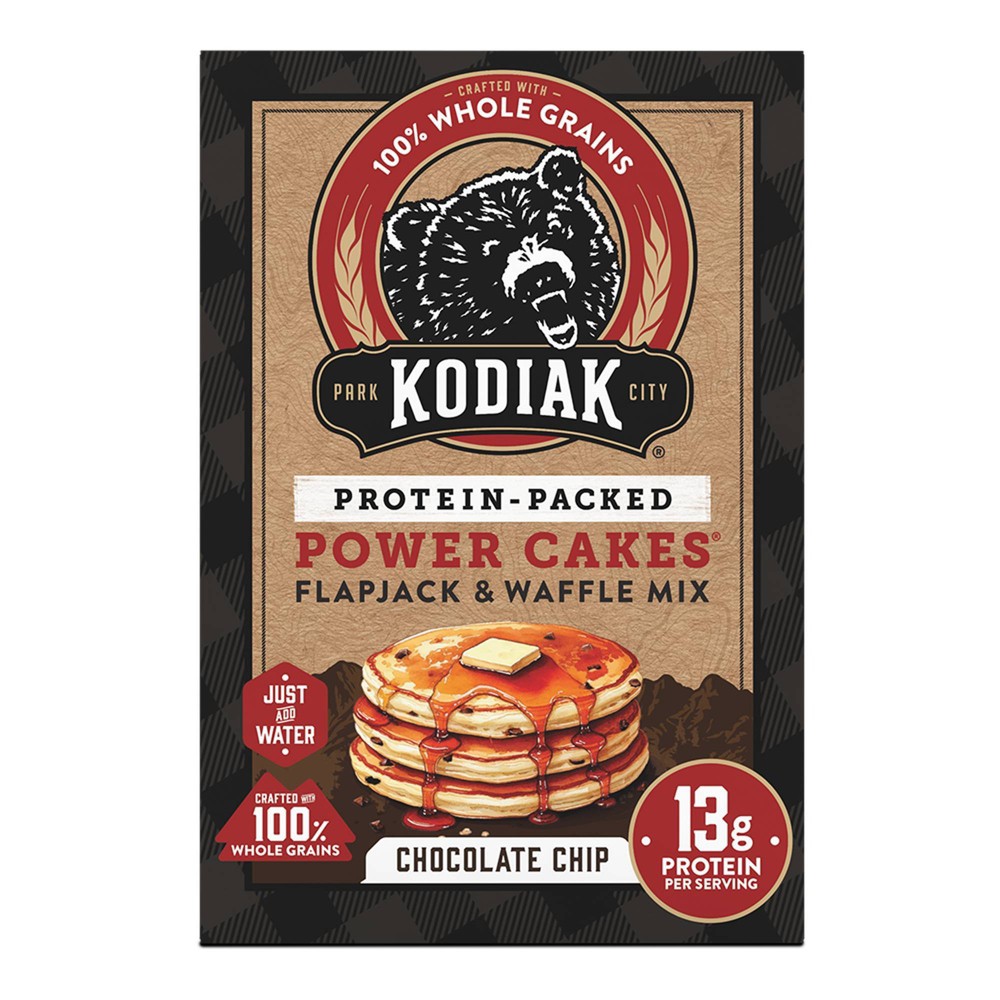



Kodiak FLAPJACK & WAFFLE MIX
Analysis updated August 2026 · How Scout scores
At a glance
Summary
This product contains beneficial ingredients such as whole grain wheat and oat flours, which provide fiber and nutrients, as well as high-quality protein sources like whey and milk protein concentrates. However, it is classified as ultra-processed due to the presence of additives and natural flavors, which can obscure ingredient transparency. The processing level and the presence of added sugars limit its overall healthiness despite the inclusion of some nutritious components.
Key ingredients 12
BlueberriesVery Good
Blueberries are a nutrient-dense fruit rich in antioxidants and vitamins. They are minimally processed and provide health benefits due to their high levels of vitamin C and fiber. Known for their anti-inflammatory properties, they support overall health.
Benefits
Rich in antioxidants that help combat oxidative stress and support heart health.
Whole Grain Wheat FlourGood
Whole grain wheat flour is a source of dietary fiber and essential nutrients. It is minimally processed, retaining the bran and germ which provide vitamins and minerals. Compared to refined flour, it offers more health benefits due to its higher nutrient content.
Risks
Contains gluten, which may cause issues for individuals with celiac disease or gluten sensitivity.
Benefits
Rich in fiber, which aids in digestion and helps maintain a healthy weight. Provides essential nutrients like B vitamins and iron.
Whole Grain Oat FlourGood
Whole grain oat flour is a nutritious ingredient high in soluble fiber. It is less processed than refined flours, maintaining its nutrient profile. Oats are known for their heart health benefits due to beta-glucan content.
Risks
May contain gluten if not certified gluten-free, posing a risk for those with celiac disease.
Benefits
Supports heart health and helps regulate blood sugar levels due to its high fiber content.
Whey Protein ConcentrateGood
Whey protein concentrate is a high-quality protein source derived from milk. It contains all essential amino acids and is easily digestible. It is beneficial for muscle repair and growth, especially post-exercise.
Risks
May cause digestive issues for those with lactose intolerance.
Benefits
Supports muscle growth and recovery due to its complete amino acid profile and high bioavailability.
Milk Protein ConcentrateGood
Milk protein concentrate is a rich source of both casein and whey proteins. It provides a complete amino acid profile and is beneficial for muscle maintenance. It is less processed than protein isolates, retaining more of the milk's natural nutrients.
Risks
Can cause allergic reactions in individuals with milk allergies.
Benefits
Supports muscle health and provides a sustained release of amino acids.
Sea SaltGood
Sea salt is a minimally processed salt that retains trace minerals. It is used to enhance flavor and provide essential sodium. Compared to refined table salt, it offers a more natural source of sodium with additional minerals.
Risks
Excessive sodium intake can lead to high blood pressure and cardiovascular issues.
Benefits
Provides essential sodium and trace minerals that support electrolyte balance and overall health.
Wheat Protein IsolateNeutral
Wheat protein isolate is a concentrated protein source derived from wheat. It is processed to remove most carbohydrates and fats, providing a high protein content. It is useful for increasing protein intake but lacks the complete amino acid profile of animal proteins.
Risks
Contains gluten, which can be problematic for those with gluten intolerance or celiac disease.
Benefits
Offers a high protein content, which can support muscle maintenance and growth.
Buttermilk SolidsNeutral
Buttermilk solids are a dehydrated form of buttermilk, providing a tangy flavor and some protein. They are used to enhance the texture and taste of baked goods. While they add flavor, they do not offer significant nutritional benefits.
Risks
Contains lactose, which may be problematic for lactose-intolerant individuals.
Benefits
Adds flavor and texture to products, enhancing the overall sensory experience.
Mono-calcium PhosphateNeutral
Mono-calcium phosphate is a leavening agent used in baking to help dough rise. It is a common food additive with no significant nutritional value. It is generally recognized as safe when used in food products.
Risks
Excessive consumption may lead to imbalances in calcium and phosphate levels.
Benefits
Helps improve the texture and volume of baked goods by acting as a leavening agent.
Sodium BicarbonateNeutral
Sodium bicarbonate, or baking soda, is used as a leavening agent in baking. It helps dough rise by releasing carbon dioxide when heated. It is a common and safe food additive with no significant nutritional benefits.
Risks
Excessive consumption can lead to imbalances in sodium levels.
Benefits
Improves the texture and volume of baked goods by acting as a leavening agent.
Organic Cane SugarBad
Processed additive flagged under Scout's ingredient doctrine.
Risks
Excessive consumption can lead to health issues such as obesity and dental cavities.
Benefits
Provides a natural source of sweetness with minimal processing compared to refined sugars.
Natural FlavorBad
Natural flavor is a broad term that can include a variety of substances derived from natural sources. It is often used to enhance flavor but lacks transparency about its specific components. The lack of detailed information can be concerning for those with allergies or sensitivities.
Risks
Potential allergen risk due to undisclosed components; may contain additives or preservatives.
Benefits
Enhances the flavor profile of products, making them more palatable.
Processing
Ultra-Processed Foods
Get the full breakdown in the Scout appTake Scout shopping
Scan any product to see lab results, healthy alternatives, and your personalized analysis.
Download on theApp Store GET IT ONGoogle PlayAmazon pricing & content
Amazon price as of . Product prices and availability are accurate as of the date/time indicated and are subject to change. Any price and availability information displayed on Amazon.com at the time of purchase will apply to the purchase of this product.
CERTAIN CONTENT THAT APPEARS ON THIS SITE COMES FROM AMAZON. THIS CONTENT IS PROVIDED “AS IS” AND IS SUBJECT TO CHANGE OR REMOVAL AT ANY TIME.