

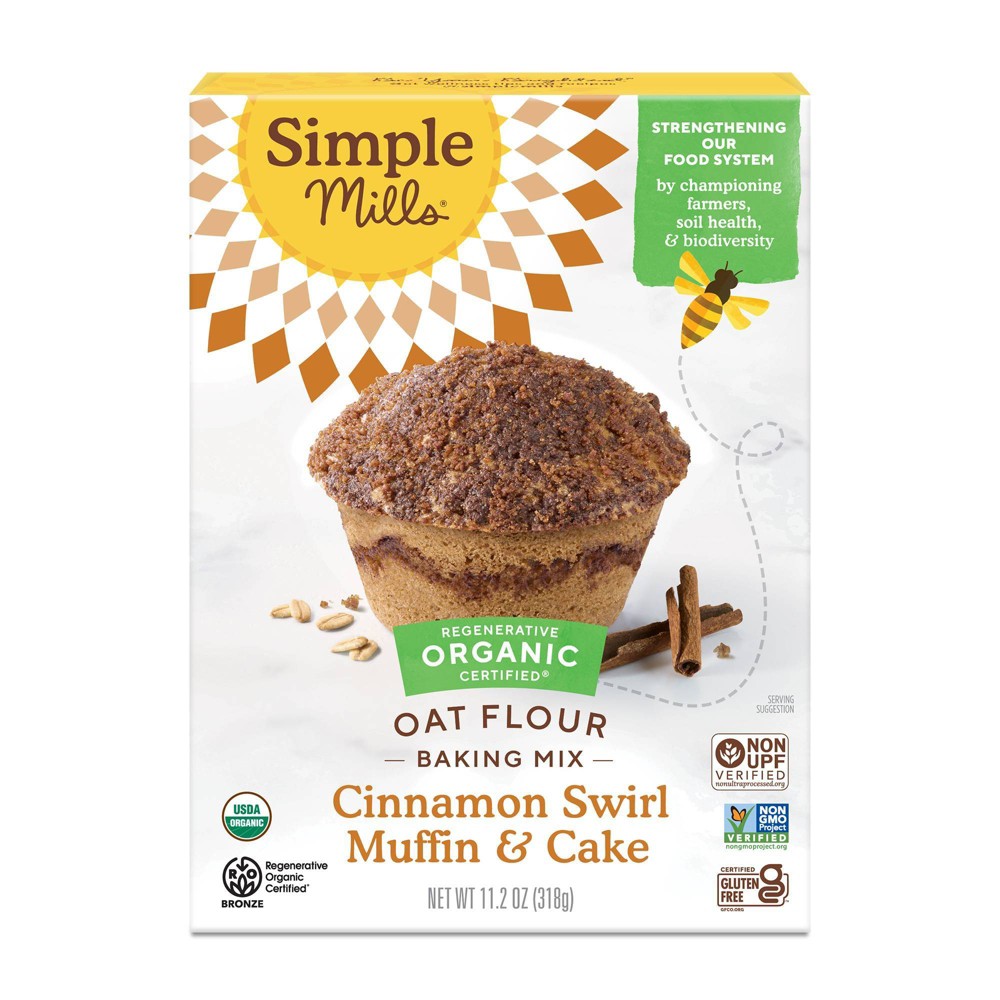

Stonewall Kitchen Cinnamon Sugar Dougnut Mix One Size Multi
Analysis updated August 2026 · How Scout scores
At a glance
Summary
This baking mix is primarily composed of refined starches and sugars, which contribute to its high carbohydrate and sugar content. The presence of refined sugar as a major ingredient raises concerns due to its association with obesity and metabolic issues. While the product does not contain harmful additives or seed oils, its processed nature and high sugar content limit its healthfulness.
Key ingredients 10
Potato StarchNeutral
Potato starch is a refined carbohydrate used as a thickener and stabilizer. It is gluten-free and provides a smooth texture in baked goods. However, it lacks significant nutritional value.
Benefits
Provides a gluten-free alternative for thickening and stabilizing in recipes.
Rice FlourNeutral
Rice flour is a gluten-free flour alternative commonly used in baking. It is made from finely milled rice and is a staple in gluten-free diets. However, it is low in protein and fiber compared to whole grain flours.
Benefits
Offers a gluten-free option for those with celiac disease or gluten sensitivity.
CornstarchNeutral
Cornstarch is a refined carbohydrate used as a thickening agent in cooking and baking. It is gluten-free and provides a smooth texture. However, it is low in nutrients and primarily provides calories.
Benefits
Useful for thickening sauces and providing texture in gluten-free baking.
Tapioca StarchNeutral
Tapioca starch is a gluten-free starch extracted from cassava root. It is used as a thickener and provides a chewy texture in baked goods. It is low in nutrients and primarily a source of carbohydrates.
Benefits
Provides a gluten-free thickening option and contributes to texture in recipes.
Corn FlourNeutral
Corn flour is a finely ground flour made from whole corn kernels. It is gluten-free and used in various baking applications. While it provides some fiber and protein, it is less nutritious than whole grain flours.
Benefits
Offers a gluten-free flour option with some fiber and protein content.
Sour CreamNeutral
Sour cream is a dairy product made by fermenting cream with lactic acid bacteria. It adds richness and tangy flavor to recipes. It contains fats and some vitamins but should be consumed in moderation due to its fat content.
Risks
High in saturated fats, which should be consumed in moderation to avoid cardiovascular risks.
Benefits
Provides a source of calcium and vitamin A, contributing to bone health and immune function.
Cream SolidsNeutral
Cream solids are derived from cream and contribute to the richness and texture of food products. They contain fats and some vitamins. However, they are high in saturated fats and should be consumed in moderation.
Risks
High in saturated fats, which may increase the risk of heart disease if consumed in excess.
Benefits
Provides a creamy texture and flavor, along with some vitamins like A and D.
Cultured Nonfat MilkNeutral
Cultured nonfat milk is milk that has been fermented with lactic acid bacteria. It is low in fat and provides probiotics that may benefit gut health. However, it lacks the fat-soluble vitamins found in whole milk.
Benefits
Contains probiotics that can support digestive health and provide a source of calcium.
Citric AcidNeutral
Citric acid is a natural acid found in citrus fruits, used as a preservative and flavor enhancer. It is generally recognized as safe and used in small amounts in food products. It can enhance flavor and preserve freshness without significant health concerns.
Benefits
Acts as a natural preservative and enhances flavor in food products.
SugarBad
Refined sugar is associated with negative health impacts such as increased risk of obesity and diabetes. It is a high-calorie ingredient with no essential nutrients. Excessive consumption can lead to metabolic issues and dental problems.
Risks
High intake of refined sugar can contribute to obesity, type 2 diabetes, and heart disease.
Processing
Processed Foods
Get the full breakdown in the Scout appTake Scout shopping
Scan any product to see lab results, healthy alternatives, and your personalized analysis.
Download on theApp Store GET IT ONGoogle Play