

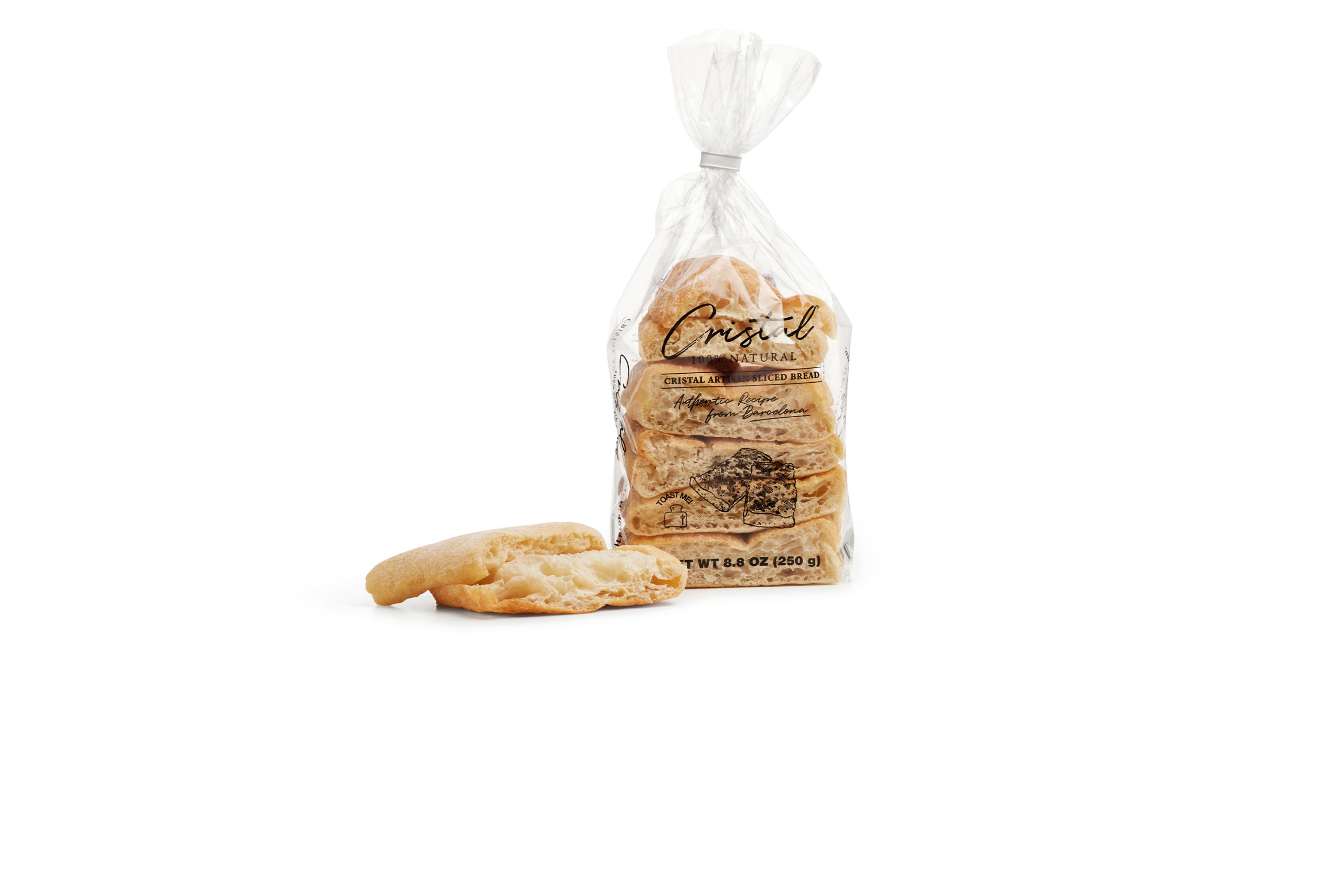





Trader Joe's Sourdough Sliced Bread
Trader Joe'sAnalysis updated August 2026 · How Scout scores
Near you
Trader Joe's is carried at Trader Joe stores. Find one within 25 miles.
At a glance
Summary
This sourdough bread is ultra-processed, which limits its potential health score. It contains enriched flour as a primary ingredient, which is less nutritious than whole grain options. However, it avoids major harmful ingredients like seed oils and high-fructose corn syrup, and includes beneficial components such as sea salt and ascorbic acid, which contribute positively to its overall quality.
Key ingredients 11
Sea saltGood
Sea salt is a minimally processed source of sodium and trace minerals. It enhances flavor and helps with dough structure. Unlike refined salt, it retains some beneficial minerals.
Risks
Excessive sodium intake can lead to hypertension and cardiovascular issues.
Benefits
Provides essential sodium and trace minerals that are beneficial in moderation.
Ascorbic acidGood
Ascorbic acid is used as a dough conditioner to improve the bread's volume and texture. It is a form of vitamin C, which is an essential nutrient. It helps strengthen the dough and improve shelf life.
Benefits
Improves dough quality and provides vitamin C.
WaterNeutral
Water is a basic ingredient used to hydrate the dough. It is essential for the dough formation and fermentation process. It does not provide any nutritional value but is necessary for the product's texture.
See more about Water →Wheat glutenNeutral
Wheat gluten is added to improve the elasticity and texture of the bread. It is a protein that helps the dough rise and maintain its shape. It is beneficial for bread structure but may cause issues for those with gluten sensitivity.
Risks
Can cause adverse reactions in individuals with gluten intolerance or celiac disease.
Benefits
Improves bread texture and protein content.
Unbleached wheat flourNeutral
Unbleached wheat flour is less processed than bleached flour, retaining more natural nutrients. It is used as a base ingredient in bread making. However, it still lacks the fiber and nutrients of whole grain flour.
Risks
May contribute to blood sugar spikes due to lack of fiber.
Benefits
Retains more nutrients compared to bleached flour.
EnzymesNeutral
Enzymes are used to enhance the dough's fermentation and improve texture. They are naturally occurring proteins that aid in breaking down starches. They are generally considered safe and beneficial for bread quality.
Benefits
Enhances dough fermentation and improves bread texture.
Cultured wheat flourNeutral
Cultured wheat flour is used as a natural preservative to extend shelf life. It is treated with bacterial cultures to inhibit mold growth. It is a safer alternative to chemical preservatives.
Benefits
Acts as a natural preservative, extending shelf life without chemical additives.
YeastNeutral
Baker's/nutritional yeast in standard use — benign.
Benefits
Essential for leavening and contributes to flavor and nutritional content.
Microcrystalline celluloseNeutral
Microcrystalline cellulose is used as a texturizer and anti-caking agent. It is derived from plant fibers and is generally recognized as safe. It does not provide nutritional benefits but improves product consistency.
Benefits
Improves texture and prevents clumping.
CornstarchNeutral
Cornstarch is used as a thickening agent and to improve texture. It is a refined carbohydrate that provides no significant nutrients. It is commonly used in small amounts in baking.
Risks
May contribute to blood sugar spikes if consumed in large quantities.
Benefits
Improves texture and consistency in baked goods.
Unbleached enriched flourBad
Processed additive flagged under Scout's ingredient doctrine.
Risks
Refined flour can contribute to blood sugar spikes and lacks fiber.
Benefits
Enrichment adds back some nutrients lost in processing, such as iron and B vitamins.
Processing
Ultra-Processed Foods
Get the full breakdown in the Scout appTake Scout shopping
Scan any product to see lab results, healthy alternatives, and your personalized analysis.
Download on theApp Store GET IT ONGoogle PlayAmazon pricing & content
Amazon price as of . Product prices and availability are accurate as of the date/time indicated and are subject to change. Any price and availability information displayed on Amazon.com at the time of purchase will apply to the purchase of this product.
CERTAIN CONTENT THAT APPEARS ON THIS SITE COMES FROM AMAZON. THIS CONTENT IS PROVIDED “AS IS” AND IS SUBJECT TO CHANGE OR REMOVAL AT ANY TIME.