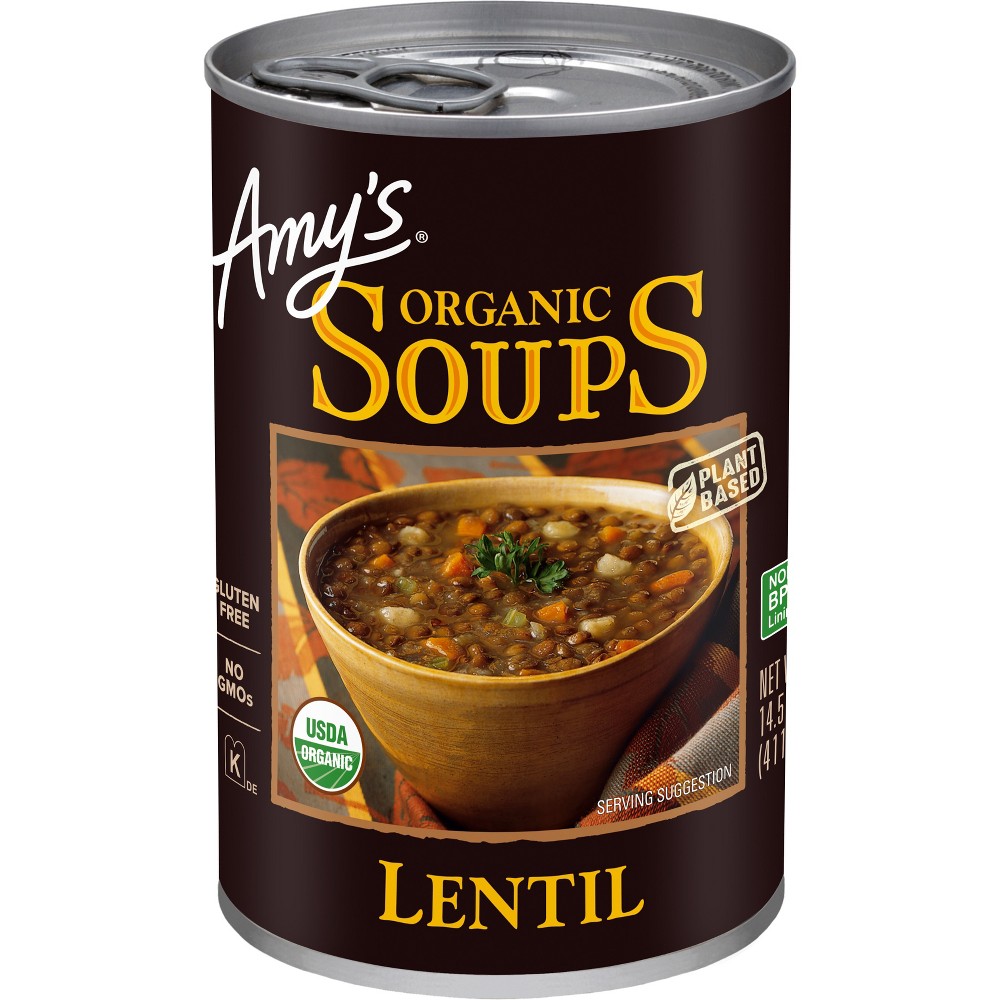
Sweet Potato And Lentil Soup

At a glance
Summary
This soup contains a variety of nutrient-dense vegetables like butternut squash, sweet potatoes, and carrots, which provide vitamins, fiber, and natural sweetness. However, the presence of cane sugar, a refined sugar, introduces unnecessary added sugars that can contribute to health issues if consumed excessively. Despite being processed, the soup maintains a relatively clean ingredient list with minimal additives, which supports a moderate score.
Key ingredients 17
Butternut SquashGood
Butternut squash is a nutrient-dense vegetable rich in vitamins A and C. It provides dietary fiber and antioxidants that support immune function. Its natural sweetness enhances flavor without added sugars.
Benefits
Rich in vitamins A and C, which support vision and immune health. Provides dietary fiber that aids digestion.
Sweet PotatoGood
Sweet potatoes are high in beta-carotene, which the body converts to vitamin A. They are a good source of fiber and complex carbohydrates. Their natural sweetness can reduce the need for added sugars.
Benefits
High in beta-carotene and fiber, supporting vision and digestive health. Provides complex carbohydrates for sustained energy.
CarrotsGood
Carrots are rich in beta-carotene and vitamin K. They provide antioxidants that may reduce the risk of chronic diseases. Their natural sweetness can enhance flavor without added sugars.
Benefits
Rich in beta-carotene and antioxidants, supporting eye health and reducing oxidative stress.
OnionsGood
Onions contain antioxidants and compounds that may reduce inflammation. They provide flavor and depth to dishes without added calories. Their sulfur compounds may support heart health.
Benefits
Contains antioxidants and sulfur compounds that may support heart health and reduce inflammation.
PumpkinGood
Pumpkin is low in calories and rich in vitamins A and C. It provides dietary fiber and antioxidants that support immune function. Its natural sweetness enhances flavor without added sugars.
Benefits
Rich in vitamins A and C, supporting immune health and providing dietary fiber.
Sea SaltGood
Sea salt is a natural source of sodium and trace minerals. It is less processed than table salt and can enhance flavor. It provides essential electrolytes needed for bodily functions.
Risks
Excessive sodium intake may lead to high blood pressure and cardiovascular issues.
Benefits
Provides essential electrolytes and trace minerals, supporting hydration and nerve function.
GarlicGood
Garlic contains compounds that may boost the immune system and reduce inflammation. It adds flavor and depth to dishes without added calories. Its sulfur compounds may support heart health.
Benefits
Contains compounds that may support immune health and reduce inflammation.
GingerGood
Ginger is known for its anti-inflammatory and antioxidant properties. It can aid digestion and reduce nausea. It adds a spicy, aromatic flavor to dishes.
Benefits
Provides anti-inflammatory and antioxidant benefits, supporting digestion and reducing nausea.
WaterNeutral
Water is a neutral ingredient used as a base in many soups. It provides no nutritional value but is essential for hydration. It acts as a solvent for other ingredients.
See more about Water →Creamed CoconutNeutral
Creamed coconut is a concentrated form of coconut that adds richness and flavor. It contains saturated fats, which should be consumed in moderation. It provides a creamy texture to dishes.
Risks
High in saturated fats, which may impact heart health if consumed in excess.
Benefits
Adds richness and flavor, providing a creamy texture to dishes.
Coconut OilNeutral
Coconut oil is a source of medium-chain triglycerides (MCTs). It is high in saturated fats, which can be controversial regarding heart health. It is used for its flavor and cooking properties.
Risks
High in saturated fats, which may impact heart health if consumed in excess.
Benefits
Contains MCTs that may provide quick energy and support metabolism.
Apple CiderNeutral
Apple cider adds a tangy flavor and natural sweetness. It contains some vitamins and minerals but is primarily used for flavor. It may contain natural sugars that should be consumed in moderation.
Risks
Contains natural sugars that may contribute to calorie intake.
Benefits
Adds flavor and may provide small amounts of vitamins and minerals.
Maple SyrupNeutral
Maple syrup is a natural sweetener with some minerals like manganese and zinc. It is less processed than refined sugars but still high in sugars. It adds a distinct flavor to dishes.
Risks
High in sugars, which may contribute to increased calorie intake.
Benefits
Contains small amounts of minerals like manganese and zinc.
SpicesNeutral
Spices add flavor and aroma to dishes without added calories. They may contain antioxidants and other beneficial compounds. The specific health impacts depend on the types of spices used.
Benefits
May contain antioxidants and beneficial compounds, enhancing flavor and aroma.
Yeast ExtractNeutral
Yeast extract is used to enhance flavor, providing a savory umami taste. It contains glutamates, which can enhance the taste of foods. It is a processed ingredient but generally considered safe.
Risks
Contains glutamates, which some individuals may be sensitive to.
Benefits
Enhances flavor with a savory umami taste, adding depth to dishes.
Concentrated Lemon JuiceNeutral
Concentrated lemon juice adds acidity and flavor to dishes. It contains vitamin C and antioxidants but is used in small amounts. It is a processed form of lemon juice.
Benefits
Provides vitamin C and antioxidants, enhancing flavor with acidity.
Cane SugarBad
Cane sugar is a refined sugar that can contribute to increased calorie intake. Excessive consumption is linked to various health issues, including obesity and diabetes. It is used to enhance sweetness in foods.
Risks
Excessive consumption may lead to obesity, diabetes, and other metabolic disorders.
Benefits
Provides quick energy but lacks significant nutritional benefits.
Processing
Processed Foods
Get the full breakdown in the Scout appTake Scout shopping
Scan any product to see lab results, healthy alternatives, and your personalized analysis.
Are you True Goodness by Meijer? Fix an error Get the badge Get tested