



At a glance
Summary
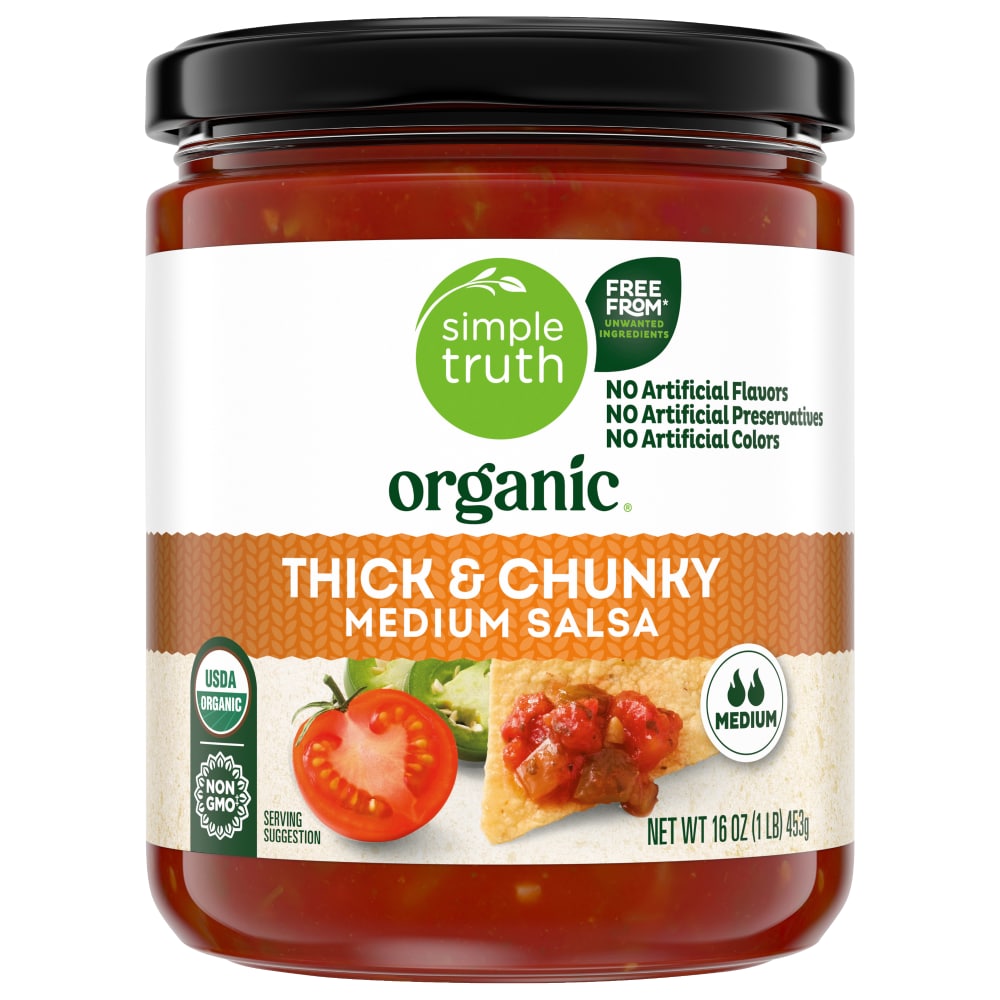
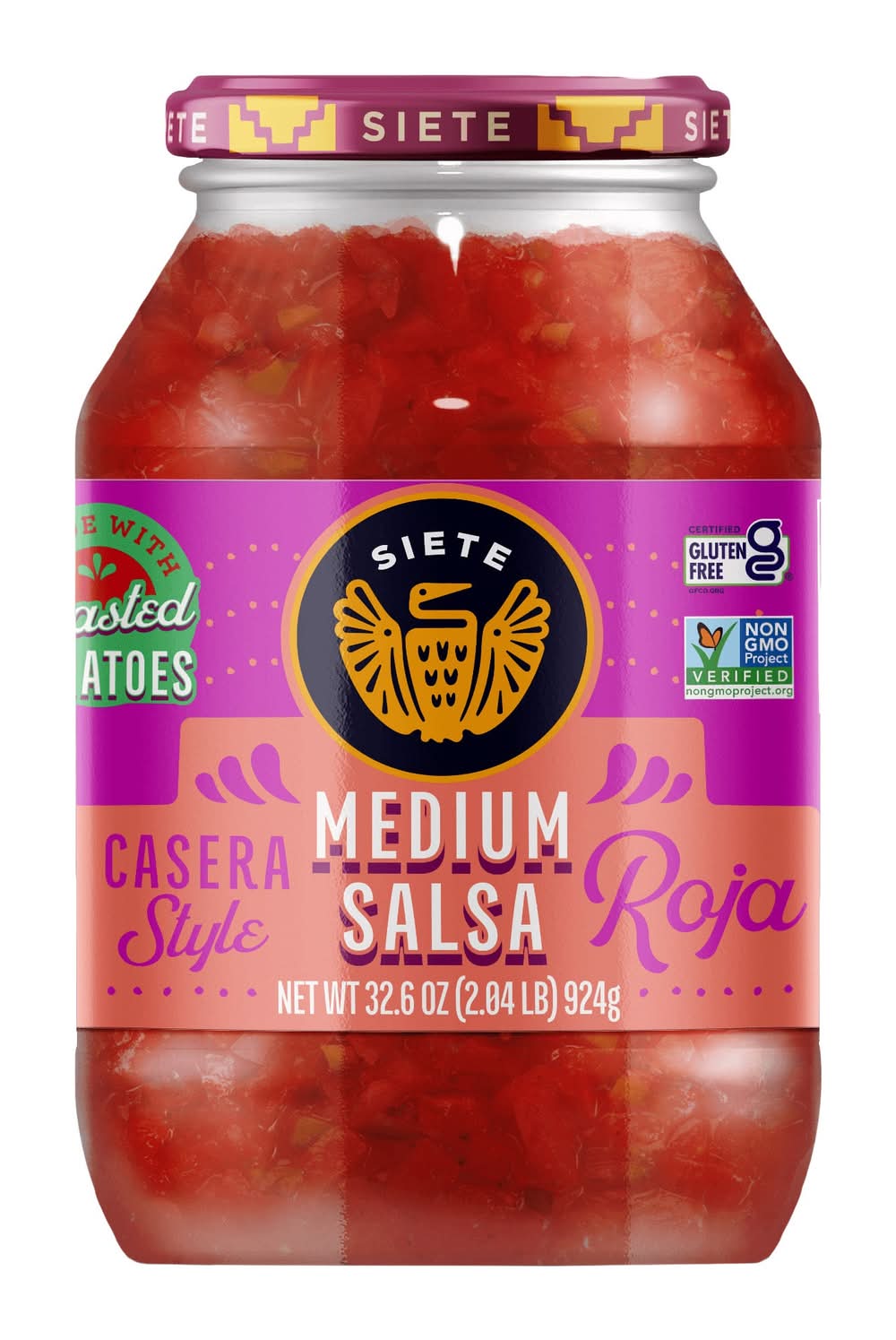
This salsa contains a variety of beneficial ingredients such as tomatoes, onions, and various peppers, which are rich in vitamins and antioxidants. The ingredient list is relatively clean with minimal additives, and the product is moderately processed, which limits its maximum score. The use of natural spices and the absence of harmful additives like seed oils or artificial preservatives contribute positively to its rating.
Key ingredients 14
TomatoVery Good
Tomatoes are rich in vitamins A and C and contain antioxidants like lycopene. They are minimally processed and provide essential nutrients. Their natural sweetness and acidity enhance flavor without added sugars.
Benefits
Rich in antioxidants and vitamins that support immune function and skin health.
OnionGood
Onions are a good source of vitamins and antioxidants, particularly quercetin. They are used fresh or minimally processed, retaining most of their nutritional value. Onions add flavor and potential health benefits to dishes.
Risks
May cause digestive discomfort in some individuals due to high FODMAP content.
Benefits
Contains antioxidants that may reduce inflammation and support heart health.
Tomato PasteGood
Tomato paste is concentrated and provides a rich source of lycopene, an antioxidant. It is made by cooking tomatoes and reducing them, which enhances flavor and nutrient density. This ingredient contributes to the overall nutritional profile of the salsa.
Benefits
High in lycopene, which may help reduce the risk of certain chronic diseases.
Green ChilliGood
Green chillies are low in calories and rich in vitamins A and C. They are used fresh or dried, adding spice and nutritional benefits. Their capsaicin content may have metabolism-boosting properties.
Risks
May cause irritation or digestive discomfort in sensitive individuals.
Benefits
Contains capsaicin, which may aid in weight management and provide anti-inflammatory effects.
JalapeñoGood
Jalapeños are a source of vitamins A and C and contain capsaicin, which may have health benefits. They are typically used fresh, preserving their nutritional content. Jalapeños add flavor and heat to dishes.
Risks
Can cause digestive discomfort or irritation in some people.
Benefits
May boost metabolism and provide antioxidant benefits due to capsaicin content.
CuminGood
Cumin is a spice rich in iron and contains antioxidants. It is used in small amounts to enhance flavor and may have digestive benefits. Cumin is minimally processed, retaining its nutritional properties.
Benefits
May aid digestion and provide antioxidant benefits.
ChilliGood
Chilli peppers are rich in vitamins and capsaicin, which may have health benefits. They are used fresh or dried, adding spice and nutritional value. Chilli peppers can enhance metabolism and provide antioxidants.
Risks
May cause irritation or digestive discomfort in sensitive individuals.
Benefits
Contains capsaicin, which may support metabolism and provide anti-inflammatory effects.
Cayenne PepperGood
Cayenne pepper is a spice high in capsaicin, which may boost metabolism. It is used in small amounts to add heat and flavor. Cayenne pepper is minimally processed, preserving its nutritional benefits.
Risks
May cause irritation or digestive discomfort in sensitive individuals.
Benefits
May enhance metabolism and provide antioxidant benefits due to capsaicin content.
Garlic PowderGood
Garlic powder is a concentrated source of garlic's beneficial compounds, including allicin. It is used to add flavor and potential health benefits. Garlic powder retains many of the nutritional properties of fresh garlic.
Risks
May cause digestive discomfort in some individuals.
Benefits
Contains allicin, which may support heart health and provide antimicrobial benefits.
Coriander LeafGood
Coriander leaf is rich in vitamins and antioxidants. It is used fresh or dried to enhance flavor and provide nutritional benefits. Coriander leaf may support digestion and offer anti-inflammatory properties.
Benefits
May aid digestion and provide antioxidant benefits.
Ascorbic AcidGood
Vitamin C — beneficial even when serving as a preservative.
Benefits
Acts as an antioxidant and helps preserve food quality.
Alcohol VinegarNeutral
Alcohol vinegar is used as a preservative and flavor enhancer. It is made through the fermentation of ethanol, resulting in acetic acid. While it adds tanginess, it does not provide significant nutritional benefits.
Risks
Excessive consumption may lead to digestive issues.
Benefits
Acts as a natural preservative and flavor enhancer.
SaltNeutral
Salt is used as a flavor enhancer and preservative. It is a source of sodium, which is essential for various bodily functions. However, excessive intake can lead to health issues.
Risks
High sodium intake can contribute to hypertension and cardiovascular issues.
Benefits
Essential for maintaining fluid balance and nerve function.
CornstarchNeutral
Cornstarch is used as a thickening agent in foods. It is derived from corn and is highly processed. While it serves a functional purpose, it does not provide significant nutritional benefits.
Benefits
Provides texture and consistency to foods.
Processing
Processed Foods
Get the full breakdown in the Scout appTake Scout shopping
Scan any product to see lab results, healthy alternatives, and your personalized analysis.
Download on theApp Store GET IT ONGoogle Play