


At a glance
Summary
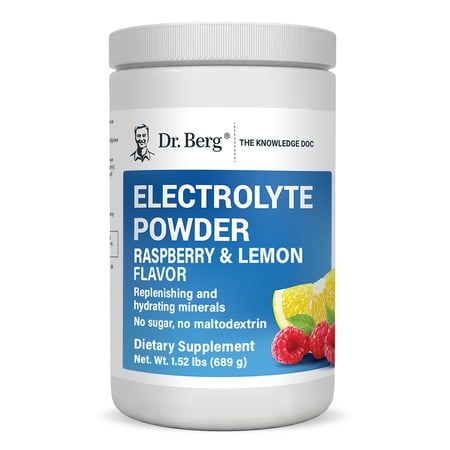
This electrolyte product contains beneficial ingredients such as sodium citrate, magnesium sulfate, and potassium citrate, which support hydration and muscle function. It includes essential vitamins like B6, B12, and niacin, contributing to overall health. However, the presence of 'natural flavors' introduces some uncertainty regarding ingredient transparency, slightly impacting the overall formulation quality.
Key ingredients 12
Sodium CitrateGood
Sodium citrate is a salt of citric acid that acts as an electrolyte and acidity regulator. It helps maintain pH balance and supports hydration by replenishing sodium lost through sweat. It is commonly used in sports drinks for its electrolyte properties.
Benefits
Supports hydration and electrolyte balance, especially during physical activity.
Potassium CitrateGood
Potassium citrate is a potassium salt of citric acid, used to replenish potassium levels. It helps maintain electrolyte balance and supports cardiovascular health. It is beneficial in preventing muscle cramps and maintaining proper hydration.
Risks
Excessive intake may lead to hyperkalemia, especially in individuals with kidney issues.
Benefits
Helps prevent muscle cramps and supports cardiovascular health.
Vitamin B6Good
Vitamin B6 is a water-soluble vitamin important for protein metabolism and cognitive development. It supports immune function and the production of neurotransmitters. It is essential for overall health and well-being.
Benefits
Supports immune function and cognitive development.
Vitamin B12Good
Vitamin B12 is a water-soluble vitamin essential for red blood cell formation and neurological function. It is crucial for energy production and maintaining healthy nerve cells. It is particularly important for individuals following a vegetarian or vegan diet.
Benefits
Supports red blood cell formation and neurological function.
NiacinGood
Niacin, also known as vitamin B3, is important for energy metabolism and DNA repair. It supports cardiovascular health and helps reduce cholesterol levels. It is an essential nutrient for overall health.
Risks
High doses may cause flushing or liver damage.
Benefits
Supports energy metabolism and cardiovascular health.
BiotinGood
Biotin is a B-vitamin that plays a key role in carbohydrate, fat, and protein metabolism. It supports healthy hair, skin, and nails. It is essential for energy production and overall metabolic health.
Benefits
Supports healthy hair, skin, and nails, and aids in metabolism.
Carbonated WaterNeutral
Carbonated water is primarily used as a base for beverages, providing effervescence. It is generally considered neutral as it does not contribute significant nutritional value. The carbonation process involves dissolving carbon dioxide gas under pressure.
See more about Carbonated Water →Citric AcidNeutral
Citric acid is a natural acid found in citrus fruits, used as a preservative and flavor enhancer. It is generally recognized as safe and is commonly used in food and beverages. It can enhance the absorption of minerals like calcium.
Risks
Excessive consumption may lead to dental erosion.
Benefits
It can enhance the absorption of minerals and provide a tangy flavor.
Magnesium SulfateNeutral
Standard formulation ingredient — neither beneficial nor harmful at typical use.
Risks
Excessive intake may cause gastrointestinal discomfort.
Benefits
Supports muscle and nerve function and aids in recovery.
CaffeineNeutral
Caffeine is a natural stimulant commonly found in coffee and tea. It enhances alertness and can improve physical performance. In moderate amounts, it is generally considered safe and beneficial for energy and focus.
Risks
Excessive consumption may lead to jitteriness, insomnia, or increased heart rate.
Benefits
Enhances alertness and can improve physical performance.
Folic AcidNeutral
Standard formulation ingredient — neither beneficial nor harmful at typical use.
Risks
Excessive intake may mask vitamin B12 deficiency.
Benefits
Essential for DNA synthesis and preventing neural tube defects.
Natural FlavorsBad
Natural flavors are a catch-all term for flavoring agents derived from natural sources. They lack transparency and can contain a variety of compounds. The term does not guarantee the absence of processing or additives.
Risks
Lack of transparency may pose concerns for individuals with allergies or sensitivities.
Processing
Processed Culinary Ingredients
Get the full breakdown in the Scout appTake Scout shopping
Scan any product to see lab results, healthy alternatives, and your personalized analysis.
Download on theApp Store GET IT ONGoogle Play