
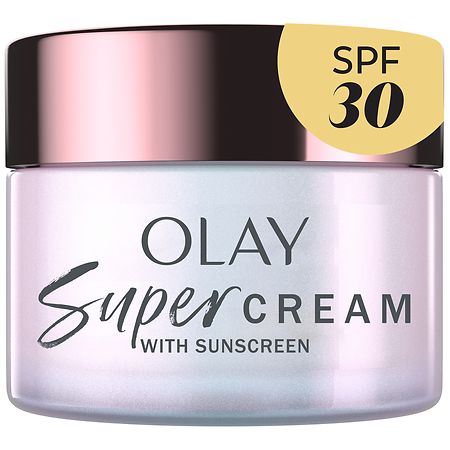

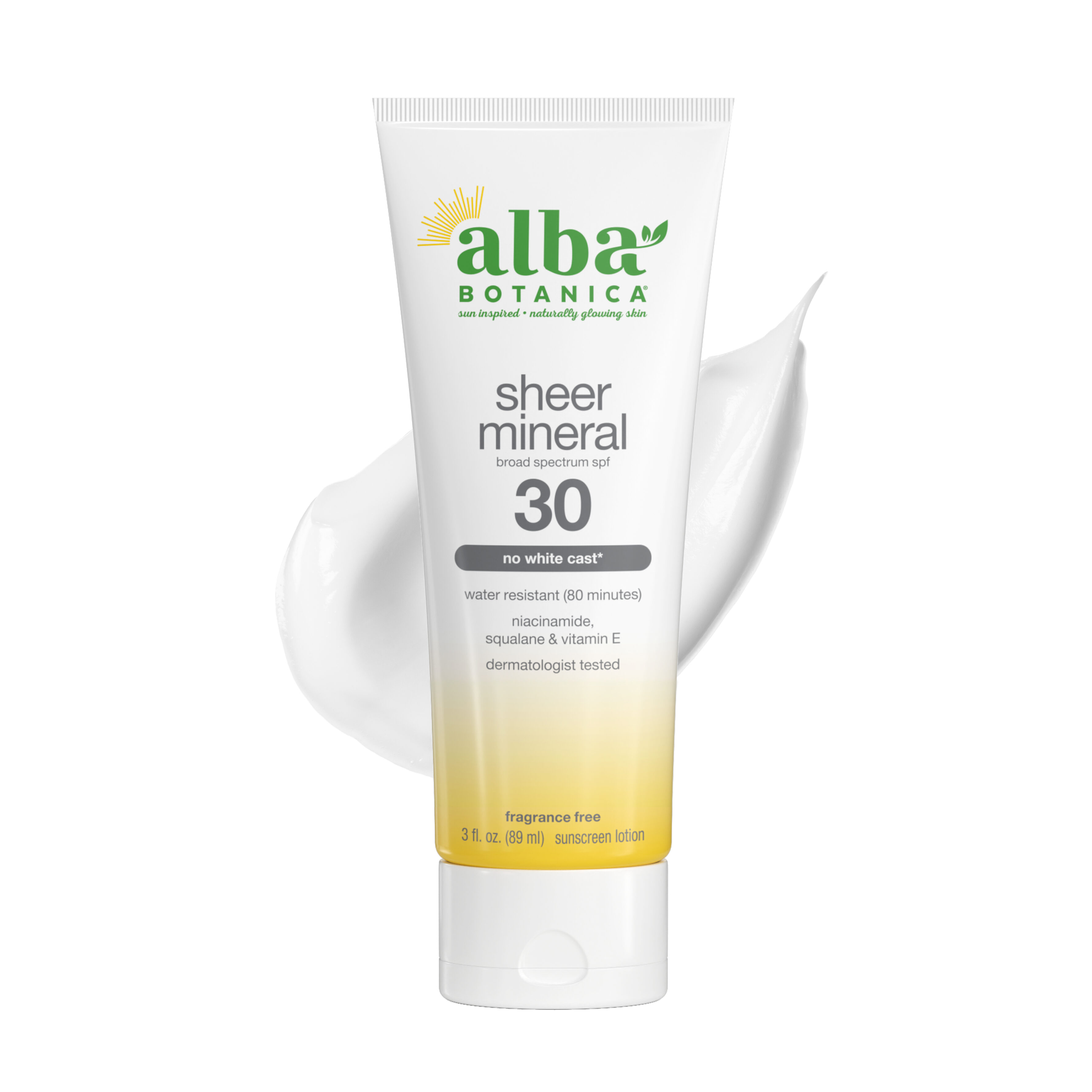
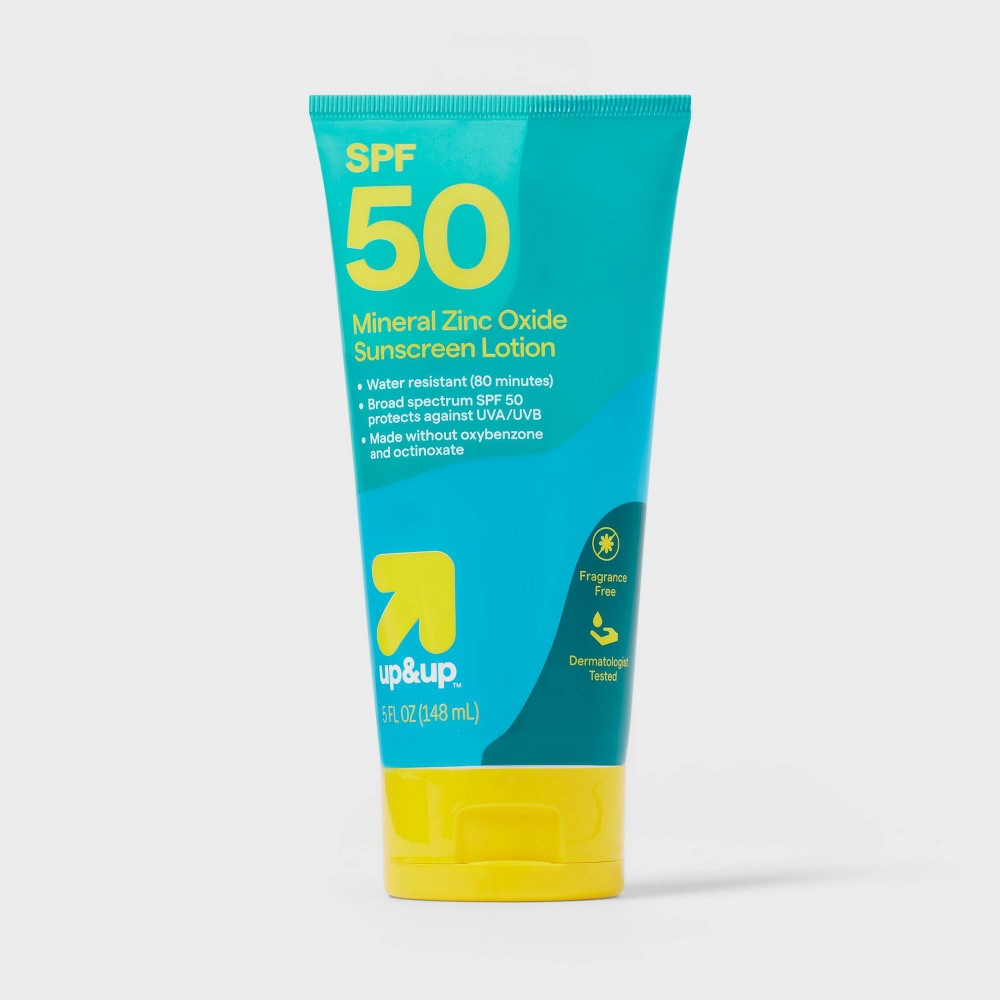
Green People Scent Free Facial Spf30 Sun Cream, 50 Ml
Analysis updated October 2026 · How Scout scores
At a glance
Summary
This sunscreen features a mineral UV filter, zinc oxide, which is non-nano and considered safe and effective. It includes beneficial natural ingredients like olive oil, cocoa butter, and aloe vera, which provide moisturizing and soothing properties. The absence of harmful chemical UV filters and synthetic fragrances contributes to its high score, although the presence of some synthetic emulsifiers and preservatives slightly lowers its rating.
Key ingredients 41
Zinc Oxide (Non-Nano)Very Good
Zinc Oxide is a mineral UV filter that provides broad-spectrum protection. Non-nano particles are less likely to penetrate the skin. It is considered safe and effective.
Risks
There are minimal risks, primarily related to potential inhalation if used in powder form.
Benefits
It offers excellent protection against both UVA and UVB rays and is gentle on sensitive skin.
Olea Europaea (Olive) Fruit OilVery Good
Olive oil is a natural emollient rich in antioxidants. It helps nourish and moisturize the skin. It is well-tolerated and beneficial for dry skin.
Risks
There are minimal risks, though it may be comedogenic for some skin types.
Benefits
It provides deep hydration and helps protect the skin from environmental damage.
Theobroma Cacao (Cocoa) Seed ButterVery Good
Cocoa butter is a natural fat extracted from cocoa beans. It is an excellent moisturizer and skin softener. It is safe and beneficial for dry skin.
Risks
There are minimal risks, though it may be comedogenic for some skin types.
Benefits
It helps to deeply moisturize and nourish the skin, improving elasticity.
Helianthus Annuus (Sunflower) Seed OilVery Good
Sunflower seed oil is a natural emollient rich in vitamins A, D, and E. It helps moisturize and protect the skin. It is non-comedogenic and suitable for all skin types.
Risks
There are minimal risks, though very sensitive skin may experience mild irritation.
Benefits
It provides hydration and helps maintain the skin's natural barrier.
Aloe Barbadensis (Aloe) Leaf Juice PowderVery Good
Aloe vera is known for its soothing and hydrating properties. It helps calm irritated skin and provides moisture. It is safe and beneficial for all skin types.
Risks
There are minimal risks, though some individuals may experience allergic reactions.
Benefits
It helps soothe and hydrate the skin, reducing redness and irritation.
Camellia Sinensis (Green Tea) Leaf ExtractVery Good
Green tea extract is rich in antioxidants and has anti-inflammatory properties. It helps protect the skin from environmental damage. It is safe and beneficial for all skin types.
Risks
There are minimal risks, though some individuals may experience allergic reactions.
Benefits
It helps to soothe and protect the skin, reducing signs of aging.
Chamomilla Recutita (Chamomile) Flower ExtractVery Good
Chamomile extract is known for its soothing and anti-inflammatory properties. It helps calm irritated skin and reduce redness. It is safe and beneficial for sensitive skin.
Risks
There are minimal risks, though some individuals may experience allergic reactions.
Benefits
It helps to soothe and calm the skin, reducing irritation and redness.
TocopherolVery Good
Tocopherol, or Vitamin E, is a powerful antioxidant. It helps protect the skin from environmental damage. It is safe and beneficial for all skin types.
Risks
There are minimal risks, though some individuals may experience allergic reactions.
Benefits
It helps to protect and nourish the skin, reducing signs of aging.
Coco-CaprylateGood
Coco-Caprylate is an emollient derived from coconut oil and caprylic acid. It provides a silky, smooth feel to the skin. It is well-tolerated and non-irritating.
Risks
There are minimal risks associated with Coco-Caprylate, though very sensitive skin may experience mild irritation.
Benefits
It helps to soften and smooth the skin, enhancing the product's texture.
GlycerinGood
Glycerin is a humectant that attracts moisture to the skin. It is widely used in skincare for its hydrating properties. It is safe and effective for all skin types.
Risks
There are minimal risks, though excessive use may lead to a sticky feel.
Benefits
It helps keep the skin hydrated and soft, improving overall skin health.
Caprylic/Capric TriglycerideGood
This ingredient is an emollient derived from coconut oil and glycerin. It provides a lightweight, non-greasy feel. It is well-tolerated and non-irritating.
Risks
There are minimal risks, though very sensitive skin may experience mild irritation.
Benefits
It helps to moisturize and condition the skin, enhancing the product's texture.
Althaea Officinalis (Marshmallow) Root ExtractGood
Marshmallow root extract is known for its soothing and hydrating properties. It helps calm irritated skin and provides moisture. It is safe and beneficial for sensitive skin.
Risks
There are minimal risks, though some individuals may experience allergic reactions.
Benefits
It helps to soothe and hydrate the skin, reducing redness and irritation.
Rosmarinus Officinalis (Rosemary) Leaf ExtractGood
Rosemary extract is rich in antioxidants and has antimicrobial properties. It helps protect the skin from environmental damage. It is safe and beneficial for all skin types.
Risks
There are minimal risks, though some individuals may experience allergic reactions.
Benefits
It helps to protect and rejuvenate the skin, reducing signs of aging.
Leontopodium Alpinum Flower/Leaf ExtractGood
Edelweiss extract is known for its antioxidant and anti-inflammatory properties. It helps protect the skin from environmental damage. It is safe and beneficial for all skin types.
Risks
There are minimal risks, though some individuals may experience allergic reactions.
Benefits
It helps to protect and soothe the skin, reducing signs of aging.
Commiphora Myrrha OilGood
Myrrh oil is known for its antimicrobial and anti-inflammatory properties. It helps protect and soothe the skin. It is safe and beneficial for all skin types.
Risks
There are minimal risks, though some individuals may experience allergic reactions.
Benefits
It helps to protect and calm the skin, reducing irritation and redness.
InulinGood
Beneficial ingredient — whole-food or functional value in this product class.
Risks
There are no significant risks associated with this ingredient.
Benefits
It helps to maintain skin hydration and support a healthy microbiome.
GluconolactoneGood
Beneficial ingredient — whole-food or functional value in this product class.
Risks
There are no significant risks associated with this ingredient.
Benefits
It helps to gently exfoliate and hydrate the skin, improving overall skin health.
AquaNeutral
Aqua, or water, is a common solvent used in cosmetics. It acts as a base for the formulation. It does not provide any direct benefits or risks.
Risks
There are no inherent risks associated with water in cosmetic formulations.
Benefits
Water helps dissolve other ingredients and provides a smooth texture.
Diethylhexyl Butamido TriazoneNeutral
Diethylhexyl Butamido Triazone is a UV filter used in sunscreens. It provides protection against UVB radiation. It is considered safe for use in cosmetics.
Risks
There are no significant risks associated with this ingredient when used as directed.
Benefits
It effectively protects the skin from harmful UVB rays, reducing the risk of sunburn.
Diethylamino Hydroxybenzoyl Hexyl BenzoateNeutral
This ingredient is a UVA filter used in sunscreens. It helps protect the skin from UVA radiation. It is stable and effective in formulations.
Risks
There are no significant risks associated with this ingredient when used appropriately.
Benefits
It provides broad-spectrum protection, helping to prevent premature aging and skin damage.
Cetearyl AlcoholNeutral
Cetearyl Alcohol is a fatty alcohol used as an emollient and thickener. It helps stabilize emulsions. It is generally well-tolerated by the skin.
Risks
There are minimal risks, though some individuals with very sensitive skin may experience irritation.
Benefits
It helps to soften and condition the skin, improving the product's texture.
Cetearyl GlucosideNeutral
Cetearyl Glucoside is an emulsifier derived from coconut oil and sugar. It helps blend oil and water components. It is considered safe and non-irritating.
Risks
There are no significant risks associated with this ingredient.
Benefits
It helps maintain the stability of the product, ensuring a consistent texture.
Oryza Sativa (Rice) StarchNeutral
Rice starch is used as an absorbent and thickening agent. It helps control oil and shine. It is generally safe and non-irritating.
Risks
There are no significant risks associated with this ingredient.
Benefits
It helps to mattify the skin, reducing excess oil and shine.
Polyglyceryl-3 PolyricinoleateNeutral
This ingredient is an emulsifier used to stabilize formulations. It helps blend oil and water components. It is considered safe and non-irritating.
Risks
There are no significant risks associated with this ingredient.
Benefits
It helps maintain the stability of the product, ensuring a consistent texture.
Isostearic AcidNeutral
Isostearic acid is a fatty acid used as an emulsifier and thickener. It helps improve the texture of formulations. It is generally safe and non-irritating.
Risks
There are no significant risks associated with this ingredient.
Benefits
It helps to stabilize and thicken the product, enhancing its texture.
Polyhydroxystearic AcidNeutral
This ingredient is used as a thickener and stabilizer in formulations. It helps improve the texture and consistency. It is considered safe and non-irritating.
Risks
There are no significant risks associated with this ingredient.
Benefits
It helps to stabilize and thicken the product, ensuring a smooth application.
Potassium Cetyl PhosphateNeutral
Potassium Cetyl Phosphate is an emulsifier used to stabilize formulations. It helps blend oil and water components. It is considered safe and non-irritating.
Risks
There are no significant risks associated with this ingredient.
Benefits
It helps maintain the stability of the product, ensuring a consistent texture.
Palmitic AcidNeutral
Palmitic acid is a fatty acid used as an emollient and thickener. It helps improve the texture of formulations. It is generally safe and non-irritating.
Risks
There are no significant risks associated with this ingredient.
Benefits
It helps to stabilize and thicken the product, enhancing its texture.
Stearic AcidNeutral
Stearic acid is a fatty acid used as an emulsifier and thickener. It helps improve the texture of formulations. It is generally safe and non-irritating.
Risks
There are no significant risks associated with this ingredient.
Benefits
It helps to stabilize and thicken the product, ensuring a smooth application.
Xanthan GumNeutral
Xanthan gum is used as a thickener and stabilizer in formulations. It helps improve the texture and consistency. It is considered safe and non-irritating.
Risks
There are no significant risks associated with this ingredient.
Benefits
It helps to stabilize and thicken the product, ensuring a smooth application.
Cellulose GumNeutral
Cellulose gum is used as a thickener and stabilizer in formulations. It helps improve the texture and consistency. It is considered safe and non-irritating.
Risks
There are no significant risks associated with this ingredient.
Benefits
It helps to stabilize and thicken the product, ensuring a smooth application.
CelluloseNeutral
Cellulose is used as a thickener and stabilizer in formulations. It helps improve the texture and consistency. It is considered safe and non-irritating.
Risks
There are no significant risks associated with this ingredient.
Benefits
It helps to stabilize and thicken the product, ensuring a smooth application.
Hydroxystearic AcidNeutral
Hydroxystearic acid is used as a thickener and stabilizer in formulations. It helps improve the texture and consistency. It is considered safe and non-irritating.
Risks
There are no significant risks associated with this ingredient.
Benefits
It helps to stabilize and thicken the product, ensuring a smooth application.
Sodium GluconateNeutral
Sodium gluconate is used as a chelating agent in formulations. It helps stabilize the product and improve shelf life. It is considered safe and non-irritating.
Risks
There are no significant risks associated with this ingredient.
Benefits
It helps to maintain the stability and effectiveness of the product.
Calcium GluconateNeutral
Calcium gluconate is used as a skin-conditioning agent. It helps improve skin texture and hydration. It is considered safe and non-irritating.
Risks
There are no significant risks associated with this ingredient.
Benefits
It helps to condition and hydrate the skin, improving overall skin health.
Citric AcidNeutral
Citric acid is used as a pH adjuster and exfoliant in formulations. It helps improve skin texture and stability of the product. It is considered safe and non-irritating.
Risks
There are minimal risks, though high concentrations may cause irritation.
Benefits
It helps to gently exfoliate and maintain the product's pH balance.
LecithinBad
Processed additive flagged under Scout's ingredient doctrine.
Risks
There are no significant risks associated with this ingredient.
Benefits
It helps to maintain the stability of the product, ensuring a consistent texture.
FructoseBad
Processed additive flagged under Scout's ingredient doctrine.
Risks
There are no significant risks associated with this ingredient.
Benefits
It helps to maintain skin hydration, improving overall skin health.
GlucoseBad
Processed additive flagged under Scout's ingredient doctrine.
Risks
There are no significant risks associated with this ingredient.
Benefits
It helps to maintain skin hydration, improving overall skin health.
Sodium BenzoateBad
Synthetic preservative that can form benzene in the presence of vitamin C.
Risks
There are minimal risks, though some individuals may experience allergic reactions.
Benefits
It helps to preserve the product, ensuring safety and effectiveness.
Potassium SorbateBad
Synthetic preservative — flagged in daily-use products.
Risks
There are minimal risks, though some individuals may experience allergic reactions.
Benefits
It helps to preserve the product, ensuring safety and effectiveness.
Get the full breakdown in the Scout appTake Scout shopping
Scan any product to see lab results, healthy alternatives, and your personalized analysis.
Download on theApp Store GET IT ONGoogle Play