
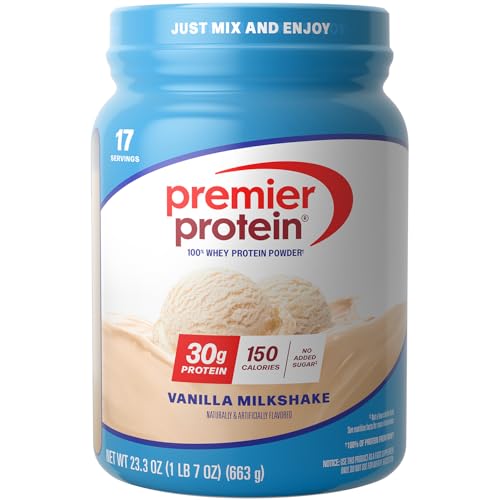


Vanilla milkshake protien
Summary
This vanilla milkshake protein product contains high-quality protein sources like milk protein isolate and whey protein concentrate, which are beneficial for muscle growth and recovery. However, it is heavily processed and includes several artificial additives such as sucralose and acesulfame-potassium, which are linked to potential health concerns. The presence of multiple processed ingredients and artificial sweeteners significantly impacts its overall healthiness despite the good protein content.
At a glance
Key ingredients 17
Filtered WaterNeutral
Filtered water is used as a base ingredient and is essential for hydration. It does not contribute any calories or nutrients. It serves as a solvent for other ingredients.
See more about Filtered Water →Milk Protein IsolateGood
Milk protein isolate is a high-quality protein source derived from milk. It provides a complete amino acid profile beneficial for muscle repair and growth. It is processed to remove most of the fat and lactose.
Risks
May cause digestive issues for those with lactose intolerance or milk allergies.
Benefits
Rich in essential amino acids, supporting muscle growth and recovery.
Calcium CaseinateGood
Calcium caseinate is a slow-digesting protein that provides a sustained release of amino acids. It is beneficial for muscle maintenance and recovery. It is derived from milk and is low in fat.
Risks
May not be suitable for individuals with milk allergies or lactose intolerance.
Benefits
Supports muscle maintenance and provides a prolonged amino acid supply.
Natural & Artificial FlavorBad
Natural and artificial flavors are added to enhance taste but can be highly processed. They may contain undisclosed chemical compounds. The lack of transparency can be concerning for consumers.
Risks
Potential for allergic reactions or sensitivities due to undisclosed ingredients.
Mct OilGood
MCT oil is a source of medium-chain triglycerides, which are rapidly absorbed and used for energy. It may support weight management and cognitive function. It is derived from coconut or palm kernel oil.
Risks
Excessive consumption may lead to gastrointestinal discomfort.
Benefits
Provides quick energy and may support metabolic health.
Cellulose GumNeutral
Cellulose gum is used as a thickener and stabilizer in food products. It is derived from plant fibers and is generally recognized as safe. It does not provide nutritional value.
Risks
Excessive consumption may cause digestive discomfort.
Cellulose GelNeutral
Cellulose gel is used to improve texture and stability in food products. It is derived from plant fibers and is considered safe for consumption. It does not contribute to nutritional content.
Risks
May cause digestive issues if consumed in large amounts.
Sunflower LecithinNeutral
Sunflower lecithin is used as an emulsifier to blend ingredients. It is derived from sunflower seeds and is a natural alternative to soy lecithin. It is generally considered safe.
Benefits
May support brain health due to its choline content.
Whey Protein ConcentrateGood
Whey protein concentrate is a high-quality protein source with a complete amino acid profile. It supports muscle growth and recovery. It is derived from milk and contains some lactose and fat.
Risks
May cause digestive issues for those with lactose intolerance.
Benefits
Supports muscle growth and provides essential amino acids.
MaltodextrinBad
Maltodextrin is a highly processed carbohydrate used as a thickener and filler. It has a high glycemic index, which can spike blood sugar levels. It is derived from starches like corn, rice, or potato.
Risks
May cause blood sugar spikes and is not suitable for diabetics.
LecithinNeutral
Lecithin is used as an emulsifier to improve texture and blend ingredients. It can be derived from sunflower, canola, or soy. It is generally recognized as safe.
Risks
Potential allergen if derived from soy.
Benefits
May support brain health due to its choline content.
CarrageenanBad
Carrageenan is used as a thickener and stabilizer in food products. It is derived from red seaweed but is highly processed. Some studies suggest it may cause digestive inflammation.
Risks
May cause digestive issues and inflammation in sensitive individuals.
Sea SaltGood
Unrefined sea salt — a minimally processed, natural source of sodium and essential trace minerals, and a legitimate whole-food seasoning. Treated as a positive ingredient.
Risks
Excessive consumption can lead to high blood pressure.
Benefits
Provides essential minerals like magnesium and potassium.
SucraloseBad
Sucralose is an artificial sweetener used to provide sweetness without calories. It is highly processed and may affect gut health. Some studies suggest it may alter glucose and insulin levels.
Risks
May impact gut microbiota and glucose metabolism.
Benefits
Provides sweetness without adding calories.
Stevia SweetenerNeutral
Stevia sweetener is a natural, zero-calorie sweetener derived from the stevia plant. It is considered safe and does not raise blood sugar levels. It is a popular alternative to artificial sweeteners.
Benefits
Provides sweetness without calories and does not affect blood sugar.
Xanthan GumNeutral
Xanthan gum is used as a thickener and stabilizer in food products. It is produced by fermenting sugars with bacteria. It is generally recognized as safe but offers no nutritional value.
Risks
May cause digestive issues if consumed in large amounts.
Acesulfame-potassiumBad
Acesulfame-potassium is an artificial sweetener used to provide sweetness without calories. It is highly processed and may have potential health concerns. Some studies suggest it may affect metabolic processes.
Risks
May impact metabolic health and has been linked to potential carcinogenic effects.
Benefits
Provides sweetness without adding calories.
Processing
Ultra-Processed Foods
Get the full breakdown in the Scout app
Scan any product to see lab results, healthy alternatives, and your personalized analysis.
Download on theApp Store