


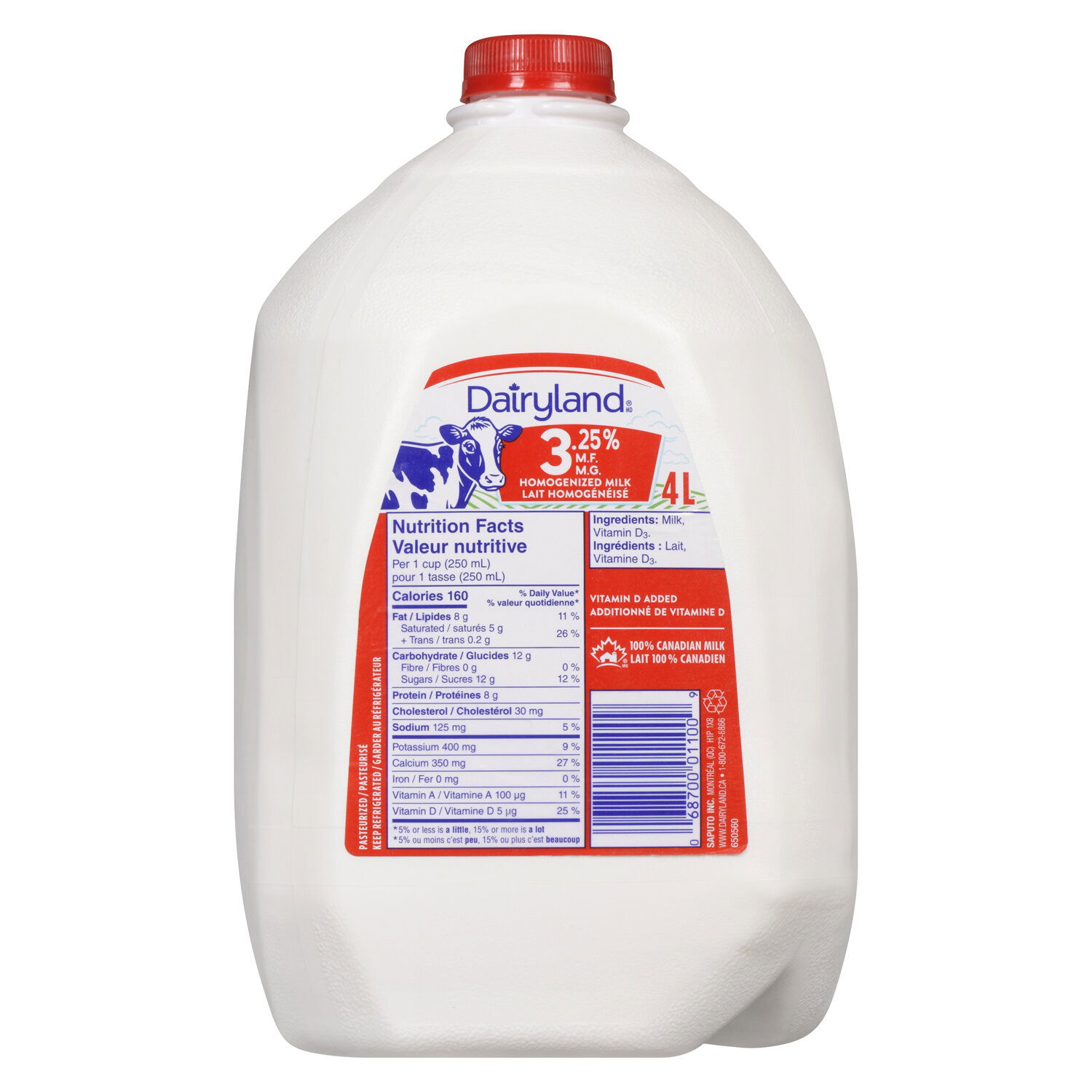
At a glance
Summary
This product contains beneficial ingredients such as whole milk, cream, and milk proteins, which provide essential nutrients and healthy fats. However, it is classified as ultra-processed due to the presence of a synthetic preservative and other additives, which limits its score. The processing level and the use of preservatives impact its overall healthiness despite the presence of several vitamins and beneficial cultures.
Key ingredients 14
Whole milkGood
Whole milk is a source of high-quality protein and essential nutrients. It provides calcium and vitamin D, which are important for bone health. The fat content supports the absorption of fat-soluble vitamins.
Risks
May cause lactose intolerance symptoms in sensitive individuals.
Benefits
Rich in calcium and vitamin D, supporting bone health and providing essential nutrients.
CreamGood
Cream is a source of healthy fats and fat-soluble vitamins. It enhances the flavor and texture of dairy products. The fat content aids in the absorption of fat-soluble nutrients.
Risks
High in saturated fats, which should be consumed in moderation.
Benefits
Provides a rich source of fat-soluble vitamins and enhances the flavor profile of foods.
Milk proteinsGood
Milk proteins are high-quality proteins with a complete amino acid profile. They support muscle repair and growth. These proteins are easily digestible and beneficial for overall health.
Risks
May trigger allergic reactions in individuals with milk protein allergies.
Benefits
Supports muscle repair and growth with a complete amino acid profile.
Vitamin B12Good
Vitamin B12 is essential for nerve function and the production of red blood cells. It is crucial for DNA synthesis and energy metabolism. This vitamin is particularly important for individuals with dietary restrictions.
Benefits
Supports nerve function and red blood cell production, crucial for energy metabolism.
Lactic culturesGood
Lactic cultures are beneficial bacteria used in fermentation. They improve gut health by promoting a healthy microbiome. These cultures can enhance digestion and nutrient absorption.
Benefits
Promotes gut health and improves digestion and nutrient absorption.
Vitamin AGood
Vitamin A is essential for vision, immune function, and skin health. It is a fat-soluble vitamin that supports cellular growth and differentiation. Adequate intake is crucial for maintaining overall health.
Risks
Excessive intake can lead to toxicity, but this is rare with dietary sources.
Benefits
Supports vision, immune function, and skin health.
Vitamin DGood
Vitamin D is crucial for calcium absorption and bone health. It supports immune function and has anti-inflammatory properties. Adequate levels are important for overall health and well-being.
Benefits
Enhances calcium absorption and supports bone health and immune function.
Corn starchNeutral
Corn starch is used as a thickening agent in food products. It is a refined carbohydrate with minimal nutritional value. It provides texture without significant health benefits.
See more about Corn starch →GelatinNeutral
Gelatin is used as a gelling agent and provides texture to food products. It is derived from animal collagen and is a source of protein. However, it is not a significant source of essential nutrients.
Risks
May cause allergic reactions in individuals sensitive to animal-derived products.
Benefits
Provides texture and is a source of protein, though not significant in essential nutrients.
SaltNeutral
Salt is used to enhance flavor and preserve food. It is a source of sodium, which is essential for fluid balance and nerve function. However, excessive intake can lead to health issues.
Risks
Excessive sodium intake can lead to hypertension and cardiovascular issues.
Benefits
Essential for fluid balance and nerve function in moderate amounts.
Vitamin B3Neutral
Vitamin B3, also known as niacin, is important for energy metabolism. It supports skin health and the nervous system. However, it is typically consumed in adequate amounts through a balanced diet.
Benefits
Supports energy metabolism and skin health.
Vitamin B6Neutral
Vitamin B6 is important for protein metabolism and cognitive development. It supports the production of neurotransmitters and hemoglobin. However, it is typically consumed in adequate amounts through a balanced diet.
Benefits
Supports protein metabolism and cognitive development.
Folic acidNeutral
Standard formulation ingredient — neither beneficial nor harmful at typical use.
Benefits
Supports DNA synthesis and cell division, crucial during pregnancy.
Preservative (E202)Bad
E202, also known as potassium sorbate, is used to inhibit mold and yeast growth. It is a synthetic preservative with minimal nutritional value. Some individuals may experience allergic reactions or sensitivities.
Risks
May cause allergic reactions or sensitivities in some individuals.
Processing
Ultra-Processed Foods
Get the full breakdown in the Scout appTake Scout shopping
Scan any product to see lab results, healthy alternatives, and your personalized analysis.
Download on theApp Store GET IT ONGoogle Play